

FAT FREEZING VS. APPETITE SUPPRESSANTS
KEY TAKEAWAYS

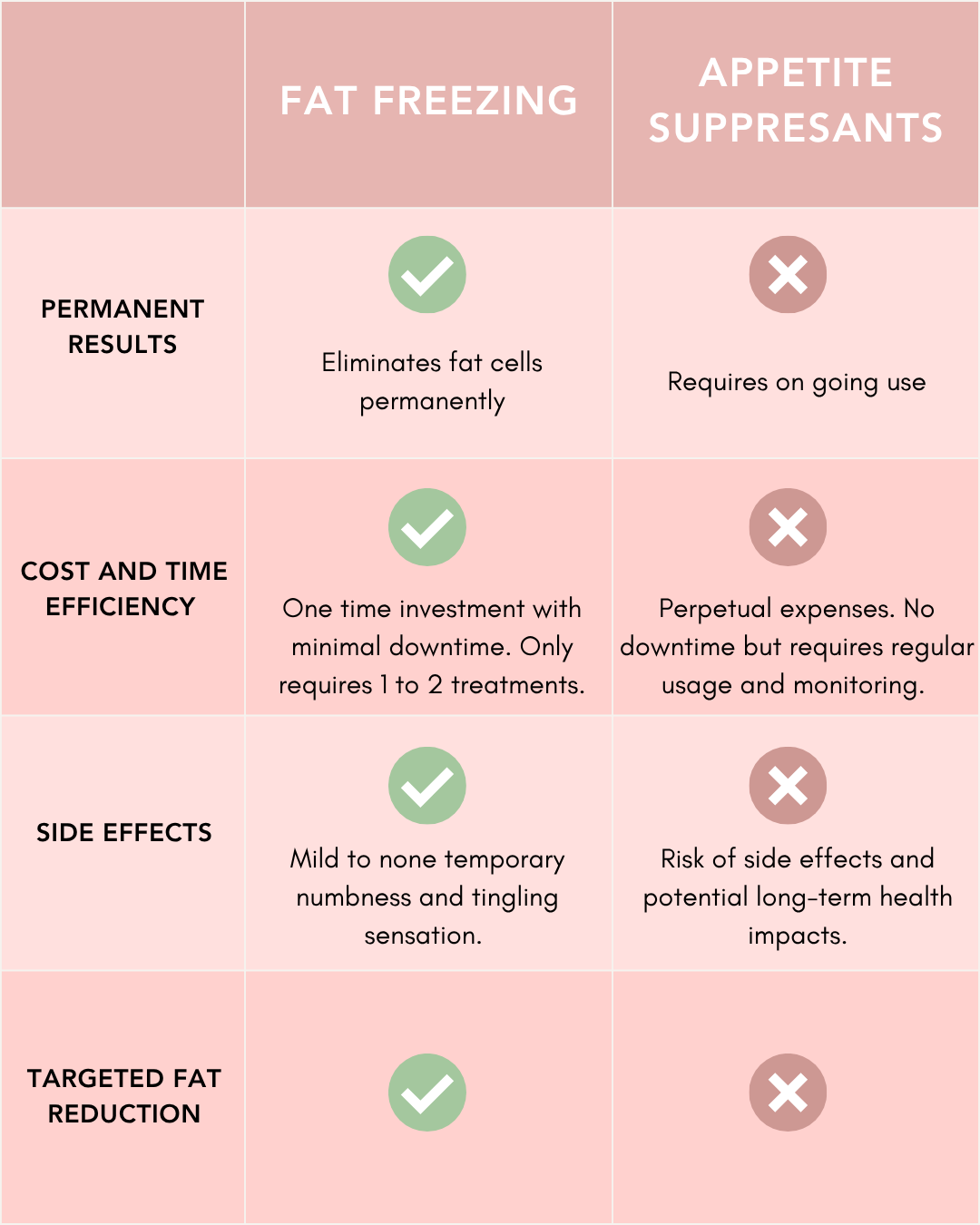
Fat Freezing (Cryolipolysis) permanently eliminates fat cells in targeted areas — ideal for sculpting and contouring, not general weight loss.
Appetite Suppressants (such as GLP-1 agonists or phentermine) reduce overall calorie intake by decreasing hunger signals but require continuous use for sustained results.
Fat Freezing offers localised, lasting results with minimal discomfort and zero downtime.
Appetite Suppressants can support whole-body weight loss, but often cause side effects like nausea, constipation, or fatigue, and weight regain can occur once the medication stops.
Fat Freezing is a one-off investment, while appetite suppressants are ongoing and expensive (often over $1,000 per month).
Fat Freezing targets subcutaneous fat (just under the skin), while appetite suppressants influence appetite and the metabolism systemically.
INTRODUCTION
When it comes to reducing stubborn fat and achieving body confidence, both Fat Freezing and appetite suppressants offer different approaches — one targets the body fat directly while the other focuses on changing how much you eat. Understanding how each method works can help you make the most informed decision for your goals.
UNDERSTANDING APPETITE SUPPRESANTS
-
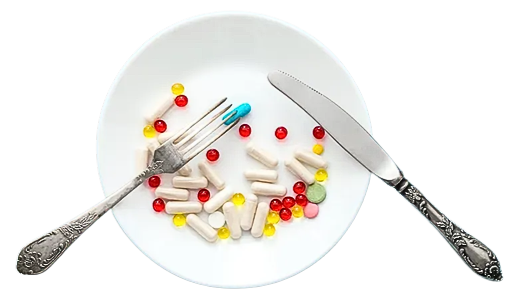
Appetite suppressants are medications or supplements that reduce feelings of hunger, helping you eat less and lose weight over time.
-
Appetite suppresants usually act by influencing certain chemicals in the brain — such as serotonin, norepinephrine, or dopamine — which control appetite and satiety. The new GLP-1 (gucagon like peptides) such as Omenpic, Semaglutide, Weygovey have a combined effect of reducing appetite hormones, reducing peristalsis and digestive functions which leaves food in the stomach and intestines for longer - reducing hunger both chemically and phy Prescription drugs like phentermine act on reducing hunger hormones whilst also increasing metabolism (increased heart rate, blood pressure) and central nervous systems function ), thereby reducing appetite. All of these drugs work in weight loss by lowering calorie intake due to reduced appetite. Appetite suppressants lead to general weight loss across the entire body also called global weight loss— but they do not specifically target problem areas.
-
Pros:
Can help reduce calorie intake and overall body weight.
Fast-acting results when combined with lifestyle changes.
May assist individuals struggling with food cravings or binge eating.
Cons:
Temporary — weight often returns once medication is stopped.
No control over where the fat is lost (can’t spot-reduce).
Potential side effects: increased heart rate, insomnia, nausea, or mood changes.
Requires ongoing use or strict lifestyle adjustments to maintain results.
Not suitable for everyone — requires medical supervision.
UNDERSTANDING FAT FREEZING
-
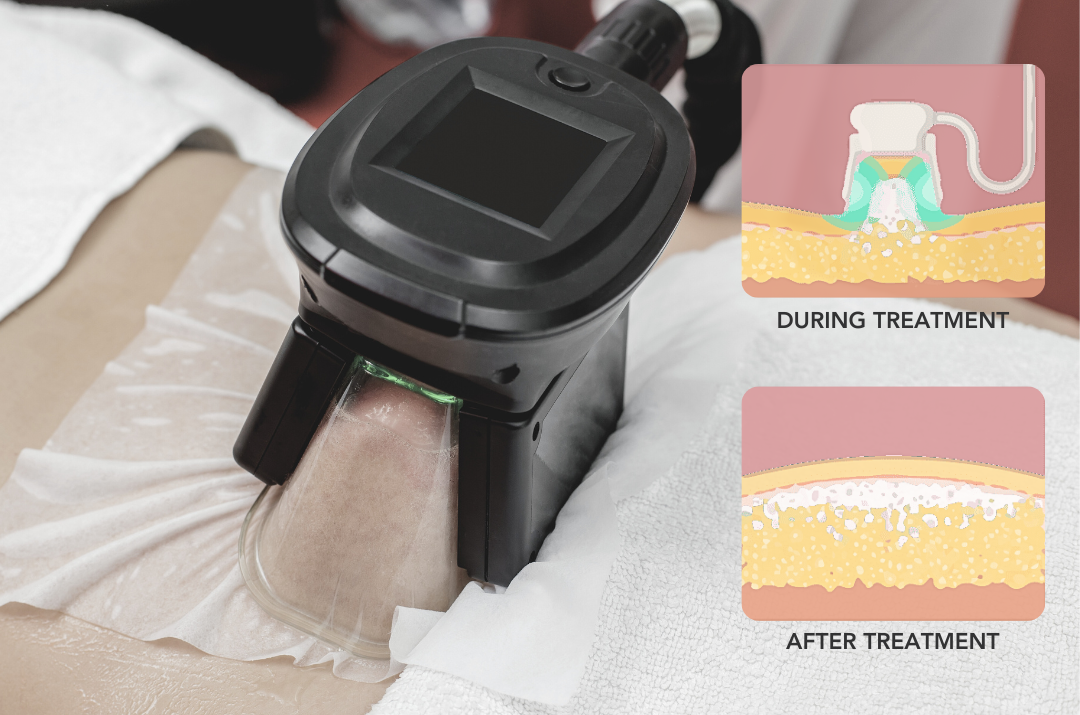
Fat freezing/ cryolipolysis, also called CoolSculpting or cryolipolysis, is a non-invasive procedure that targets and eliminates stubborn fat by using cold temperatures. During the treatment, a special cup-like device is used to gently pull the skin and fat into the cup and apply cold temperature, freezing the fat cells without harming the surrounding skin or tissue. These frozen fat cells eventually die off and are naturally processed and eliminated by the body's immune system.
The procedure is performed without the need for general or local anesthesia. Once the fat cells are destroyed during the treatment, they are permanently eliminated from the body.
During the procedure, clients may initially feel a sensation of tugging or pulling as the tissue is drawn into the vacuum applicator. A slight stinging may also occur as the area becomes numb. After the procedure, it is common to experience temporary numbness and tingling due to the cold exposure, but these sensations typically resolve within a few days.
-
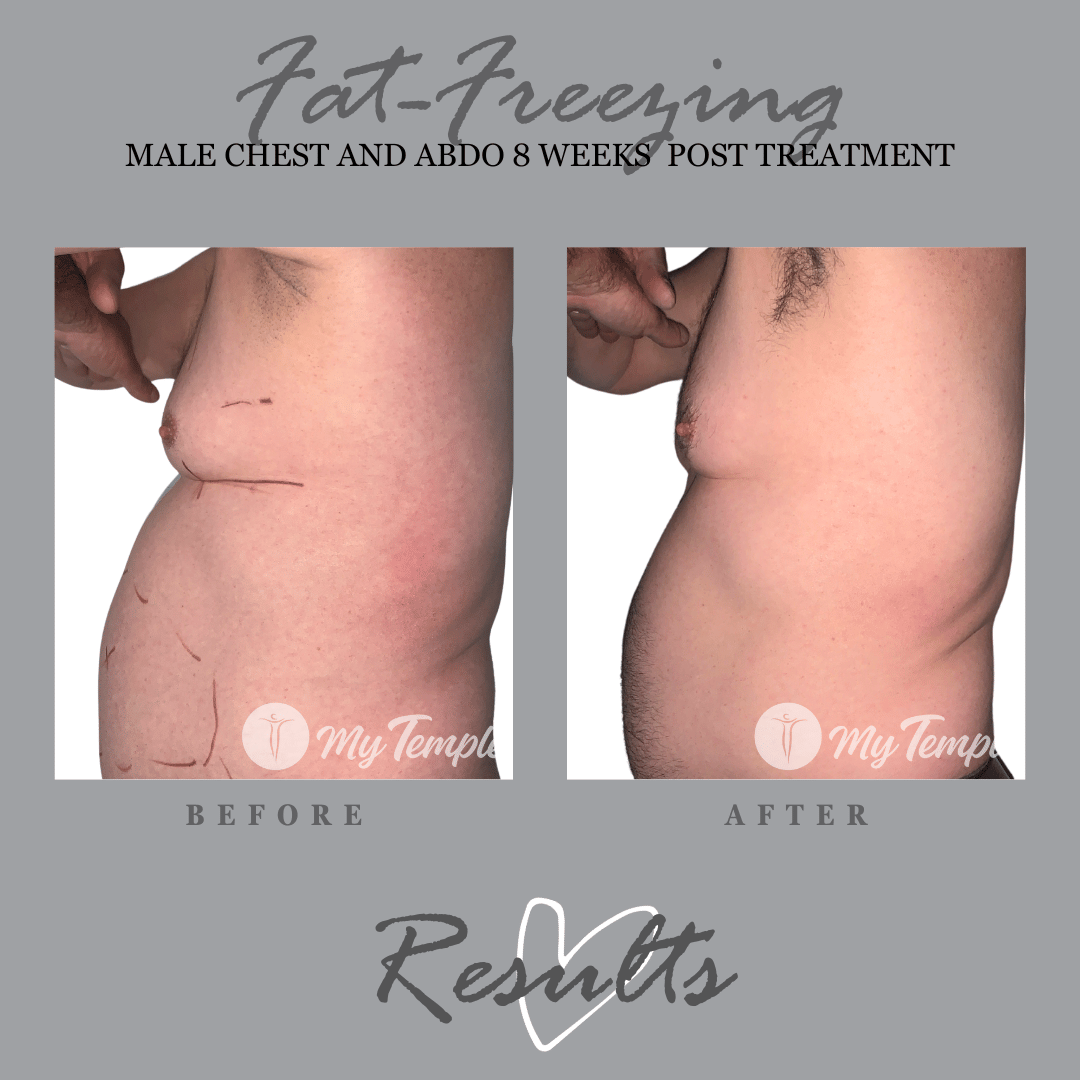
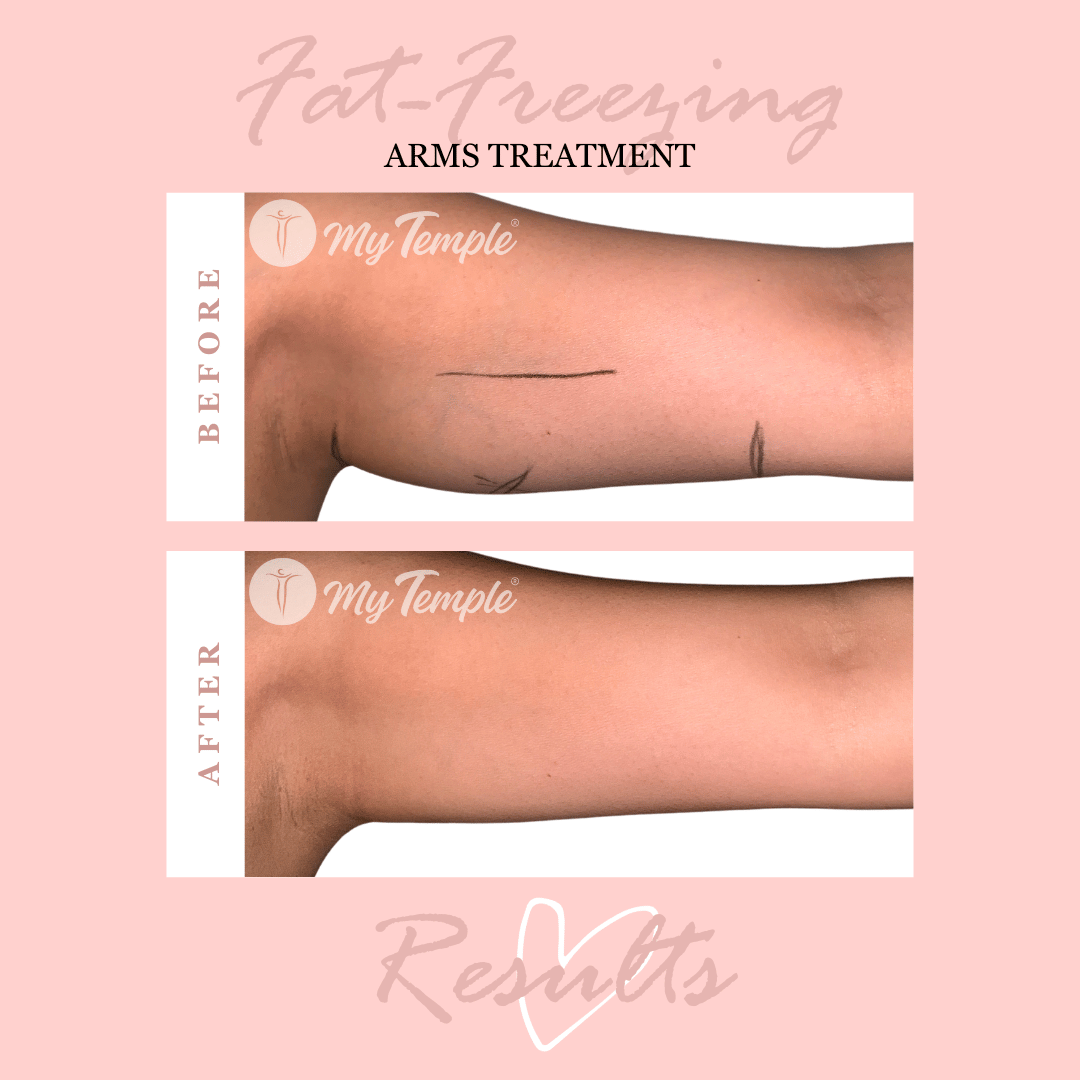
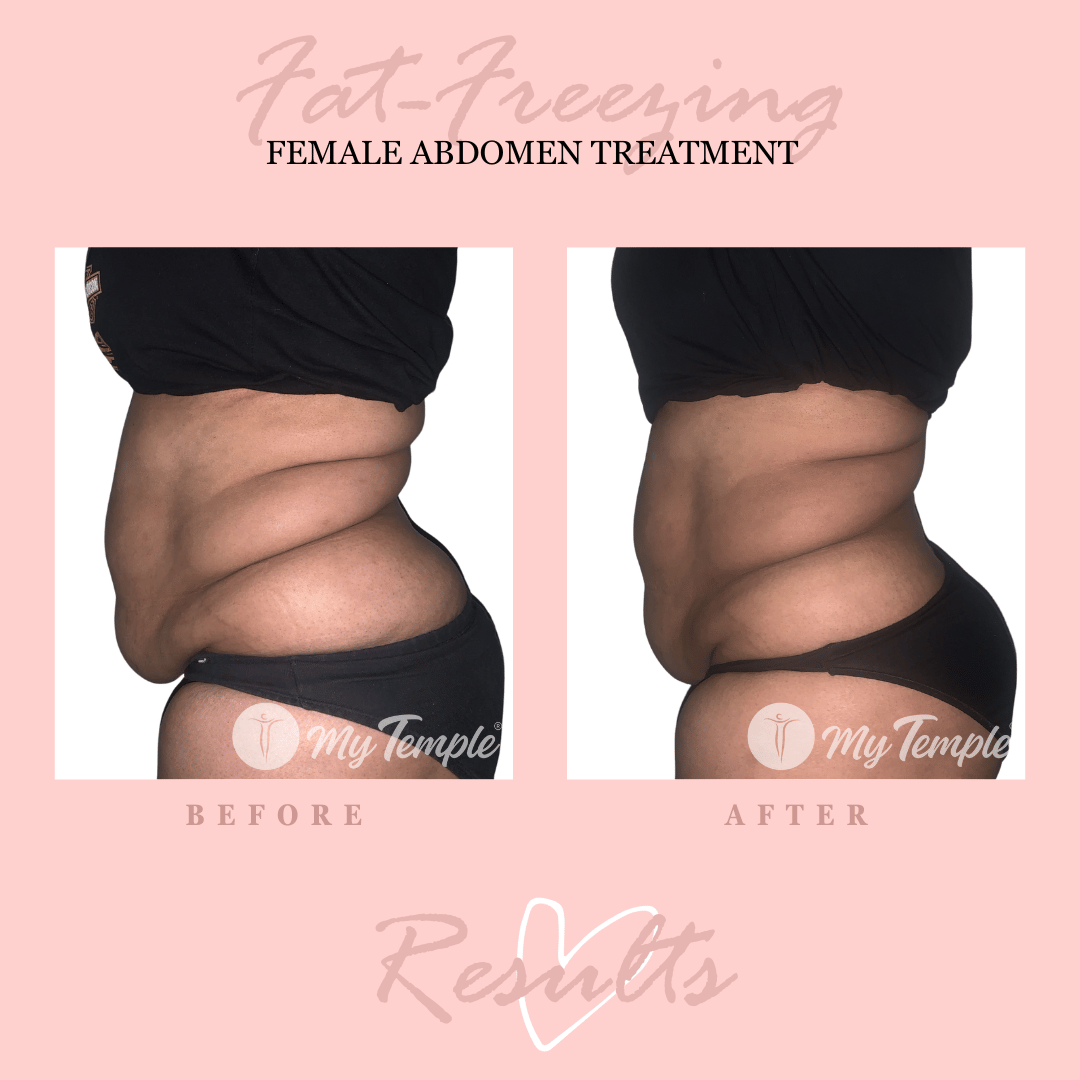
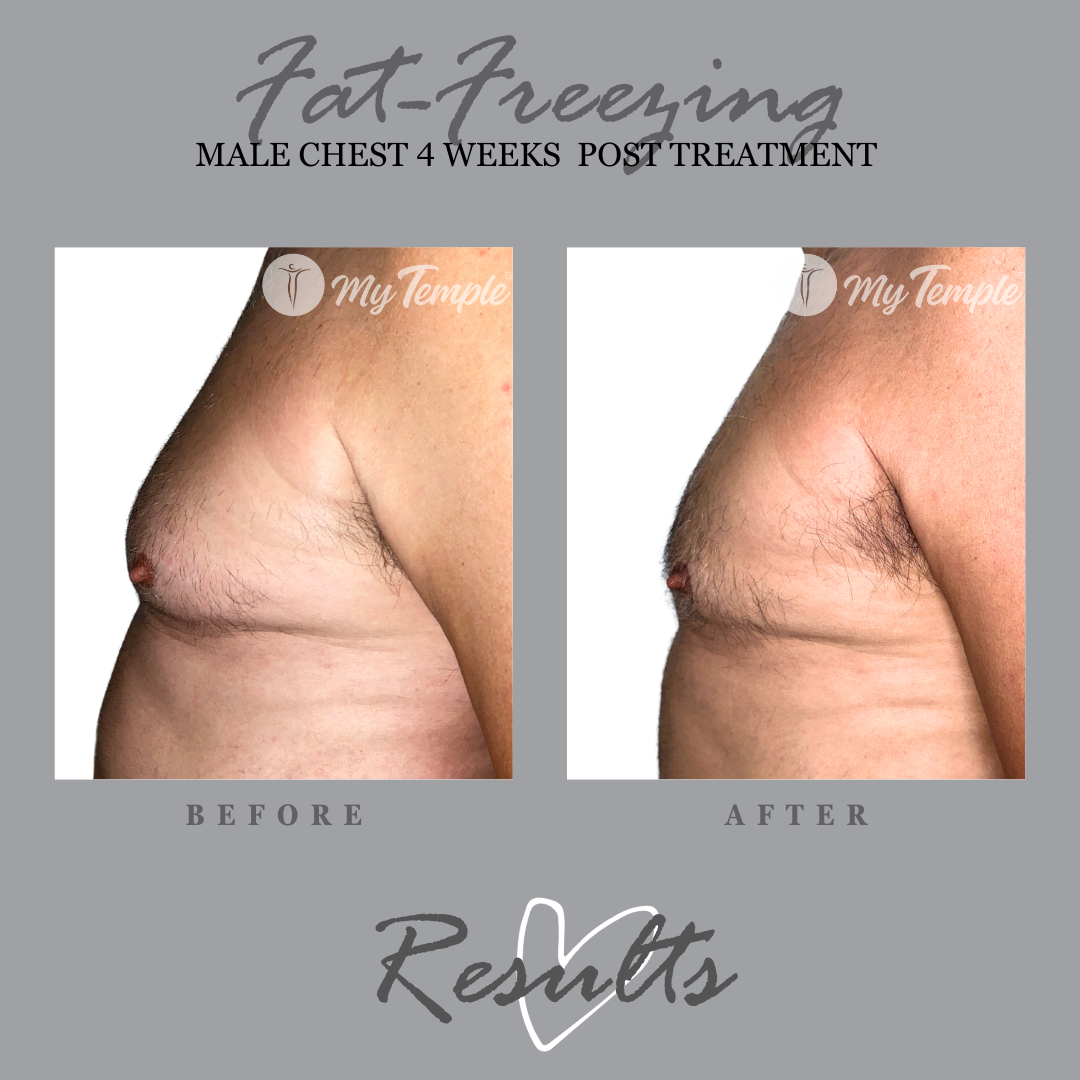
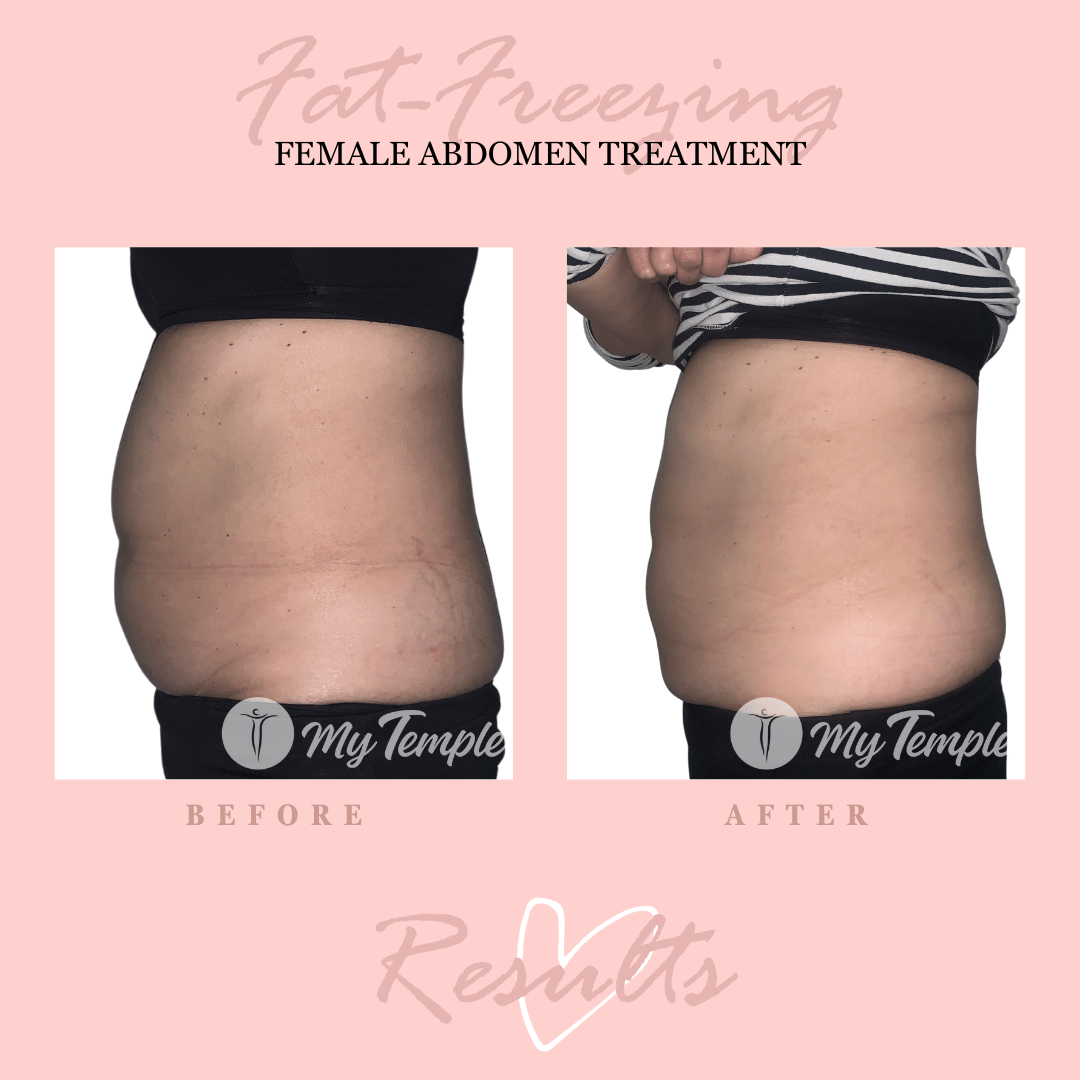
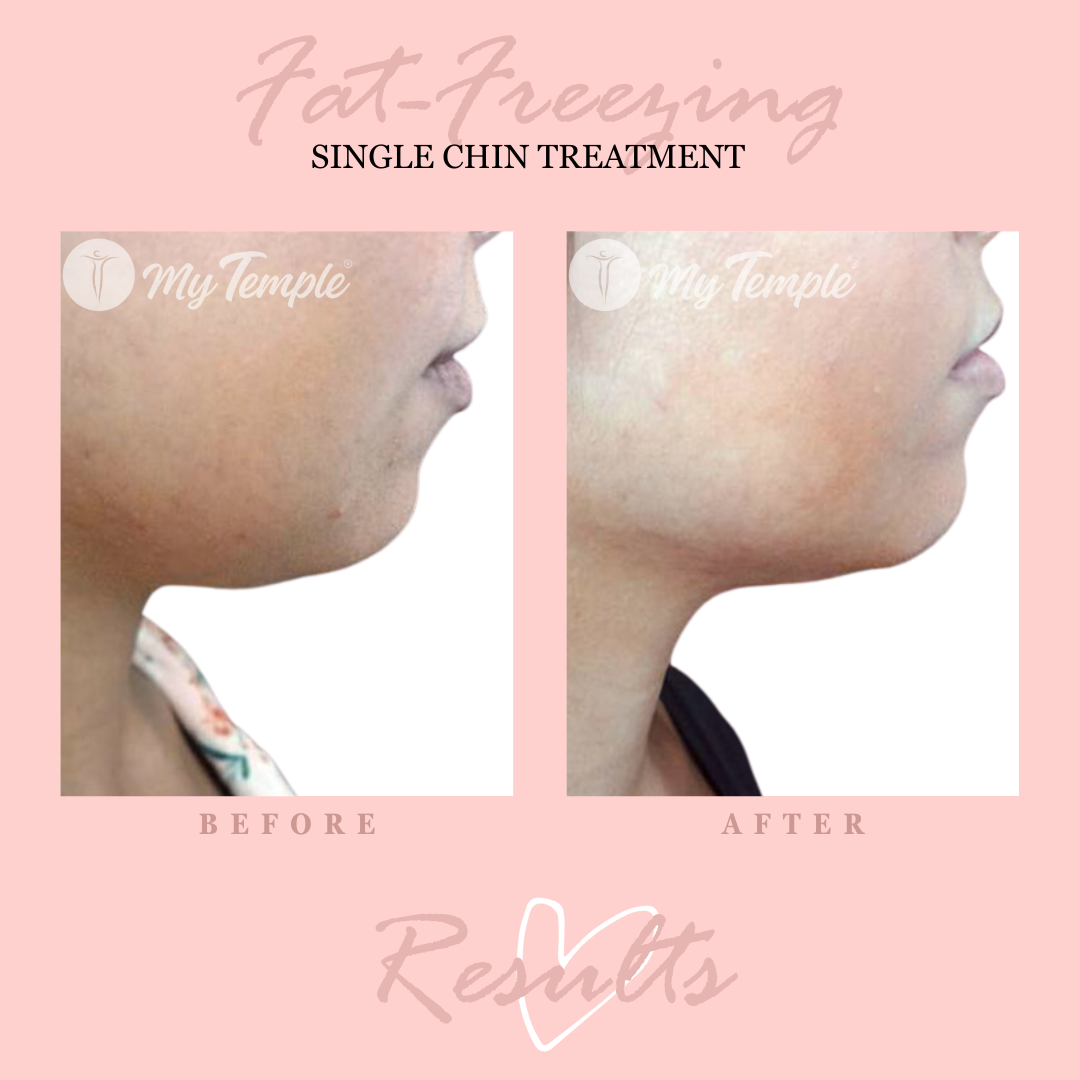
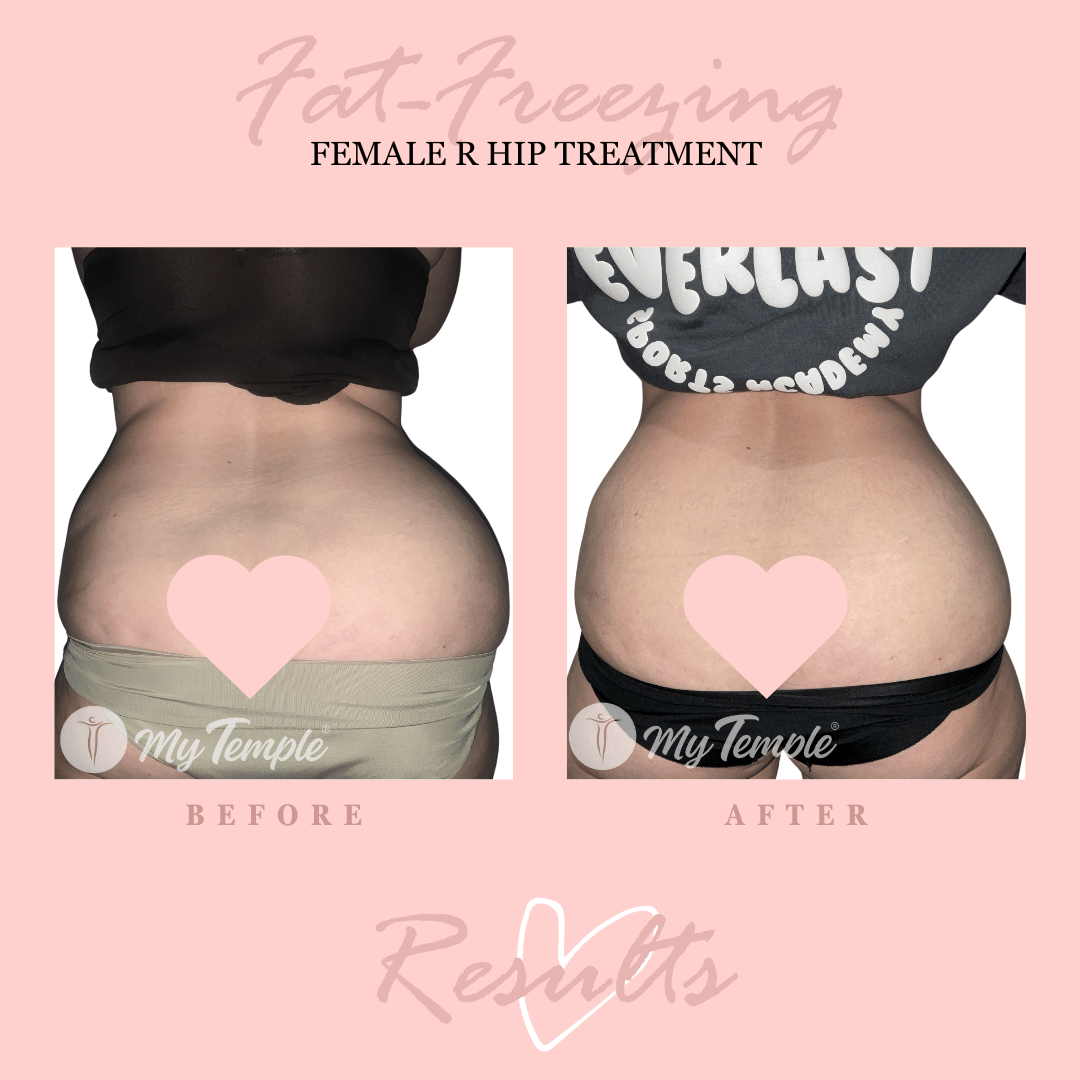
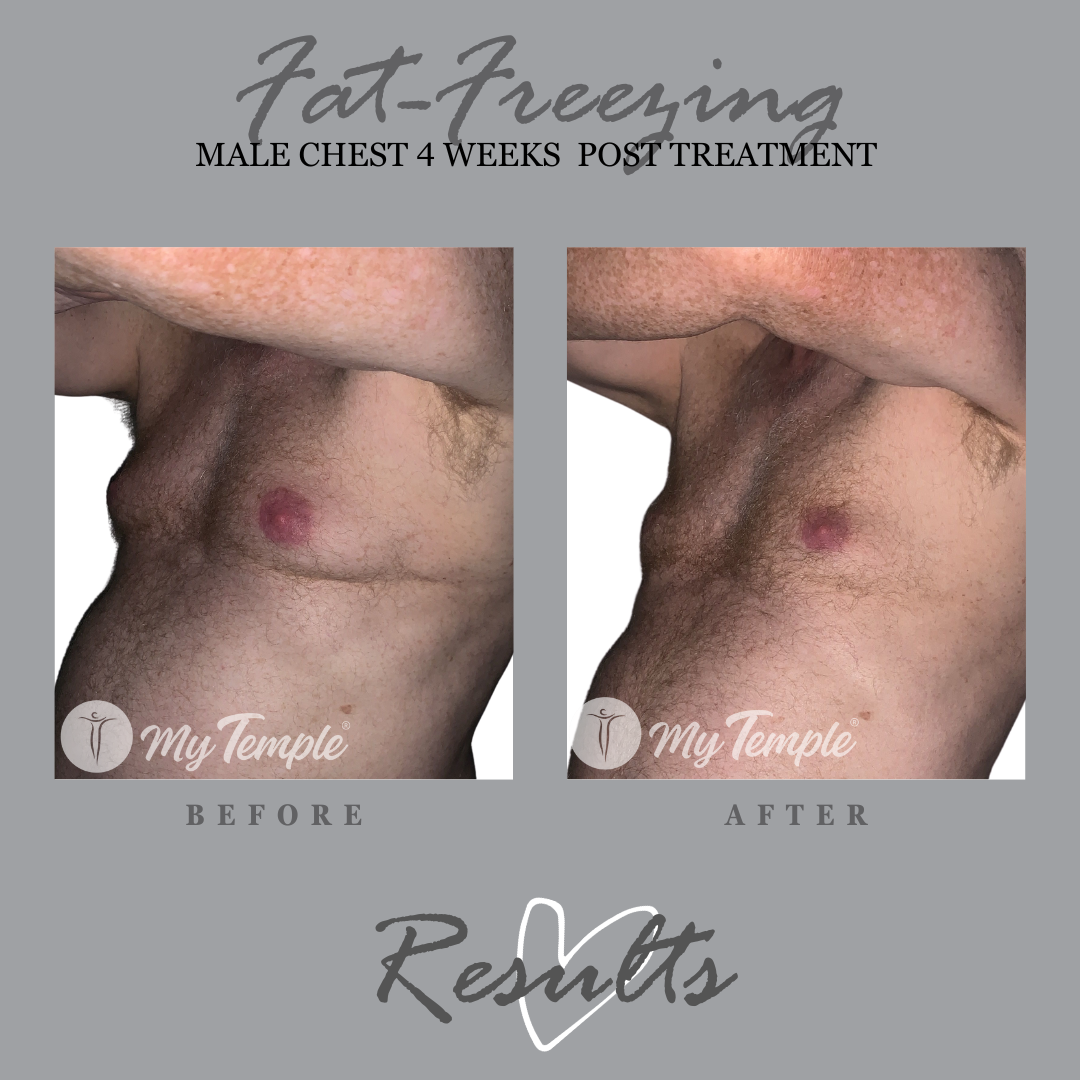
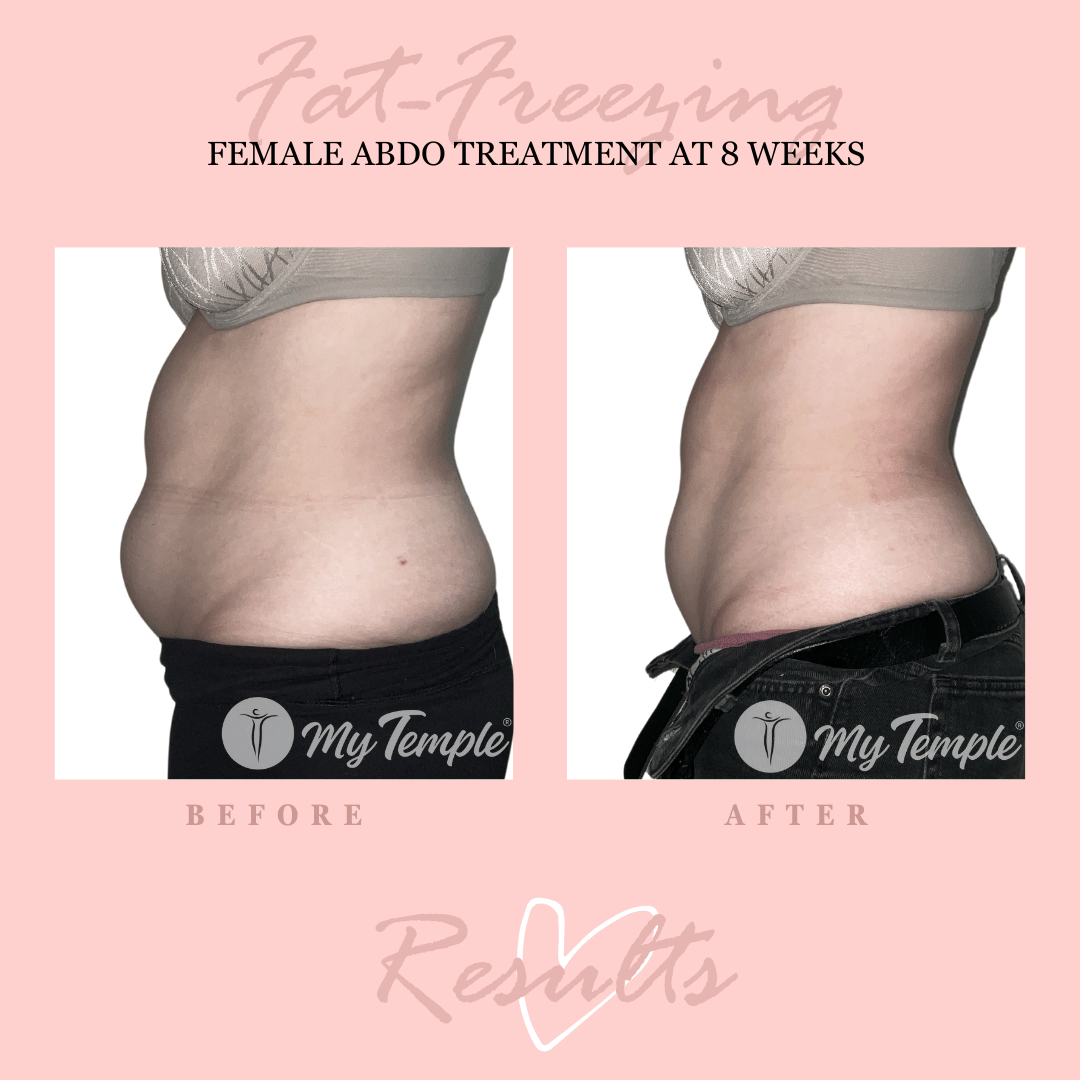
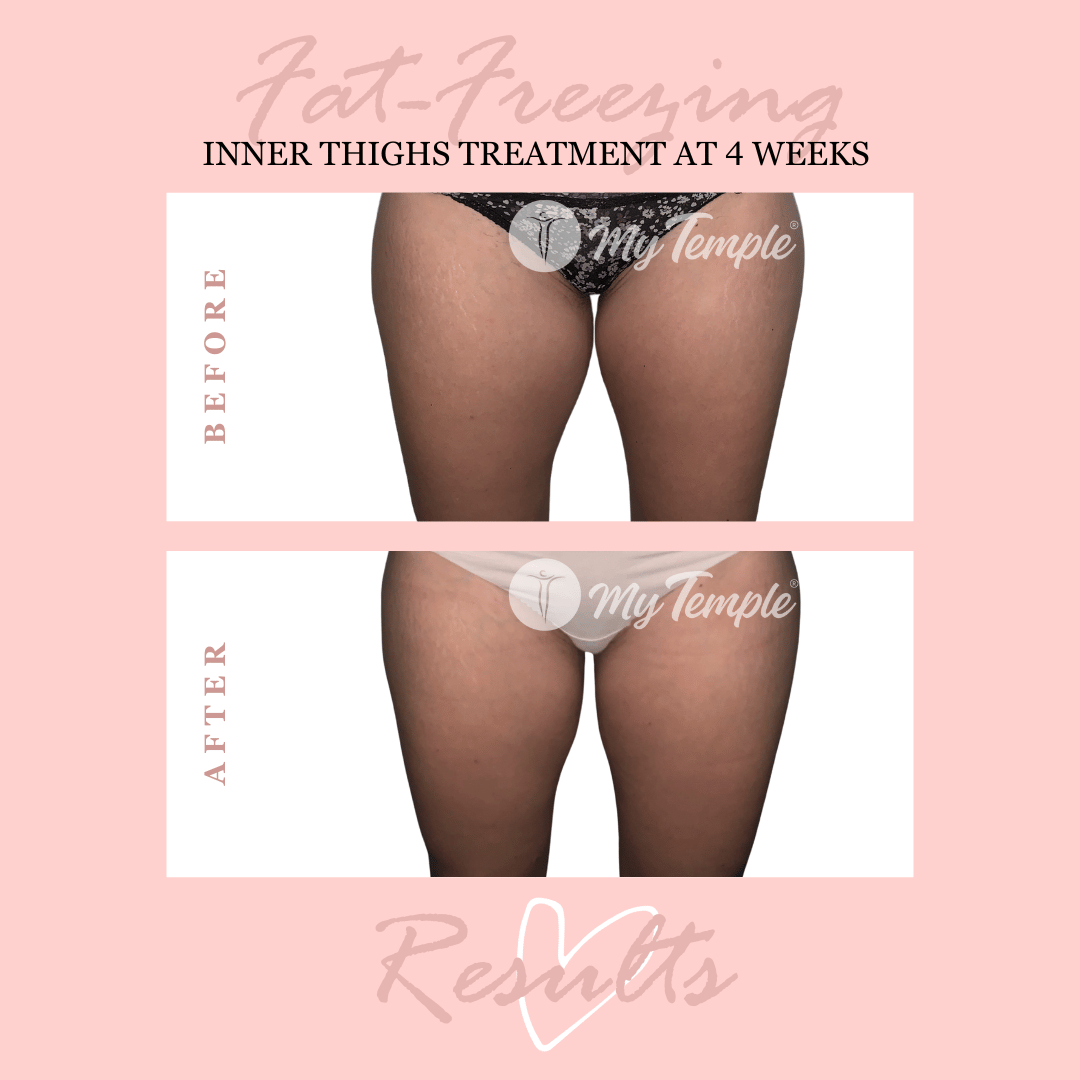
Fat freezing has been studied extensively in both animal and human models. The results have been excellent with visible and fast results. The effects can be visible in as little as 2-4 weeks after treatment with final results showing up to a 25% reduction in fat. This efficacy is seen with only 1-2 sessions, proving its superiority. Fat reduction is permanent during freezing because the cells are removed from the area, leading to a long-lasting solution to stubborn fat pockets and bulges. Patients are highly satisfied even after just one session of this therapy because of this effect.
A study by Krueger et al. (2014) quotes two additional studies and states, “The clinical efficacy and safety of cryolipolysis has been studied in both human and animal models. In two separate studies, animal models demonstrated a reduction of up to 1 cm or 40% of the total fat layer thickness after a single exposure without harming the overlying skin.” (Manstein et al., 2008 & Zelickson et al., 2009)
An additional reference included in this study - refers to the article by Coleman SR et al, titled “Clinical efficacy of noninvasive cryolipolysis and its effects on peripheral nerves” States that “in a study published in 2009 involving ten subjects reported a 20.4% and 25.5% reduction in the fat layer 2 months and 6 months after treatment, respectively
References:
Coleman, S. R., Sachdeva, K., Egbert, B. M., Preciado, J., & Allison, J. (2009). Clinical efficacy of noninvasive cryolipolysis and its effects on peripheral nerves. Aesthetic Plastic Surgery, 33(4), 482–448.
Krueger, N., Mai, S. V., Luebberding, S., & Sadick, N. S. (2014). Cryolipolysis for noninvasive body contouring: Clinical efficacy and patient satisfaction. Clinical, Cosmetic and Investigational Dermatology, 7, 201-205. https://doi.org/10.2147/CCID.S44371
Manstein, D., Laubach, H., Watanabe, K., Farinelli, W., Zurakowski, D., & Anderson, R. R. (2008). Selective cryolysis: A novel method of non-invasive fat removal. Lasers in Surgery and Medicine, 40(9), 595–604. https://doi.org/10.1002/lsm.20719
Zelickson, B., Egbert, B. M., Preciado, J., et al. (2009). Cryolipolysis for noninvasive fat cell destruction: Initial results from a pig model. Dermatologic Surgery, 35(10), 1462–1470. https://doi.org/10.1111/j.1524-4725.2009.01259.x
-
Pros:
Results in permanent fat loss with as little as 1 session
Doesn't require general or local anesthetic
Most clients see a visible reduction within 2-3 weeks
Effective results at 12 weeks due to the removal of fat cells via the lymphatic system
Fewer treatments are required to reach the desired result when compared with other non-invasive treatments (Including Radio Frequency or Fat Cavitation ) See more Fat Loss Treatments comparison here.
Targeted fat loss
No dietary changes required
Little to no downtime
Cons:
The feeling of pulling during the procedure
Mild stinging sensation as the skin becomes numb that may last a few days after treatment
Repeated sessions may be needed depending on the thickness of the fat layer
Targets only subcutaneous fat
Fat freezing (or cryolipolysis) is clinically proven to deliver permanent subcutaneous fat loss. Initial results usually become noticeable within 2-4 weeks, with final results typically visible around 12 weeks. Clinical studies have shown an average fat cell reduction of 26%. However, with advancements in treatment technology, this has increased to 30-40% reduction per treatment. Since fat cells are permanently removed, the results are permanent. Patient satisfaction rates are high, with studies showing up to 73% of patients are content , making fat freezing a more effective and practical solution for fat loss.
READ MORE ABOUT FAT FREEZING:
Cryolipolysis for noninvasive body contouring: clinical efficacy and patient satisfaction
The Safety and Efficacy of Cryolipolysis: A Systematic Review of Available Literature.
A Multicenter Evaluation of Paradoxical Adipose Hyperplasia Following Cryolipolysis for Fat Reduction and Body Contouring: A Review of 8658 Cycles in 2114 Patients

IS FAT FREEZING RIGHT FOR ME? TAKE THE FREE QUIZ.
Find out if fat Freezing is the best option for your body with our quick and easy quiz:
Am I Suitable for Fat Freezing?
FAT FREEZING VS APPETITE SUPPRESANTS
-
Fat Freezing: The cost of fat freezing varies depending on the size of the treatment area and the number of sessions needed. Prices start at $499 and can be reduced to as little as $249 if purchased as part of a package.
Since fat freezing is considered a cosmetic procedure, it is generally not covered by insurance.
Appetite Suppresants: Prescription suppressants such as GLP-1 agonists cost about AUD $1,000+ per month; other suppressants may cost $450–$1,300/month depending on type.
-
Fat freezing is often referred to as a "Lunchtime treatment" due to its non-invasive nature and quick recovery time. After the procedure, clients can immediately return to their usual activities with no downtime required. This makes it a convenient option for those looking to target stubborn fat without interrupting their daily routine.
Appetite Suppresants: No surgical downtime, but because it is a continuous treatment you’re committed long-term. Requires ongoing monitoring.
Read about the common mistakes to avoid after Fat Freezing treatment here.
-
Fat freezing is a proven method for permanent fat reduction with just one session. occasion some clients see results beginning to appear at 5-7 days. Although clinical trials and consideration of anatomy and physiology indicate that final full outcomes and results are visible at around 12 weeks.
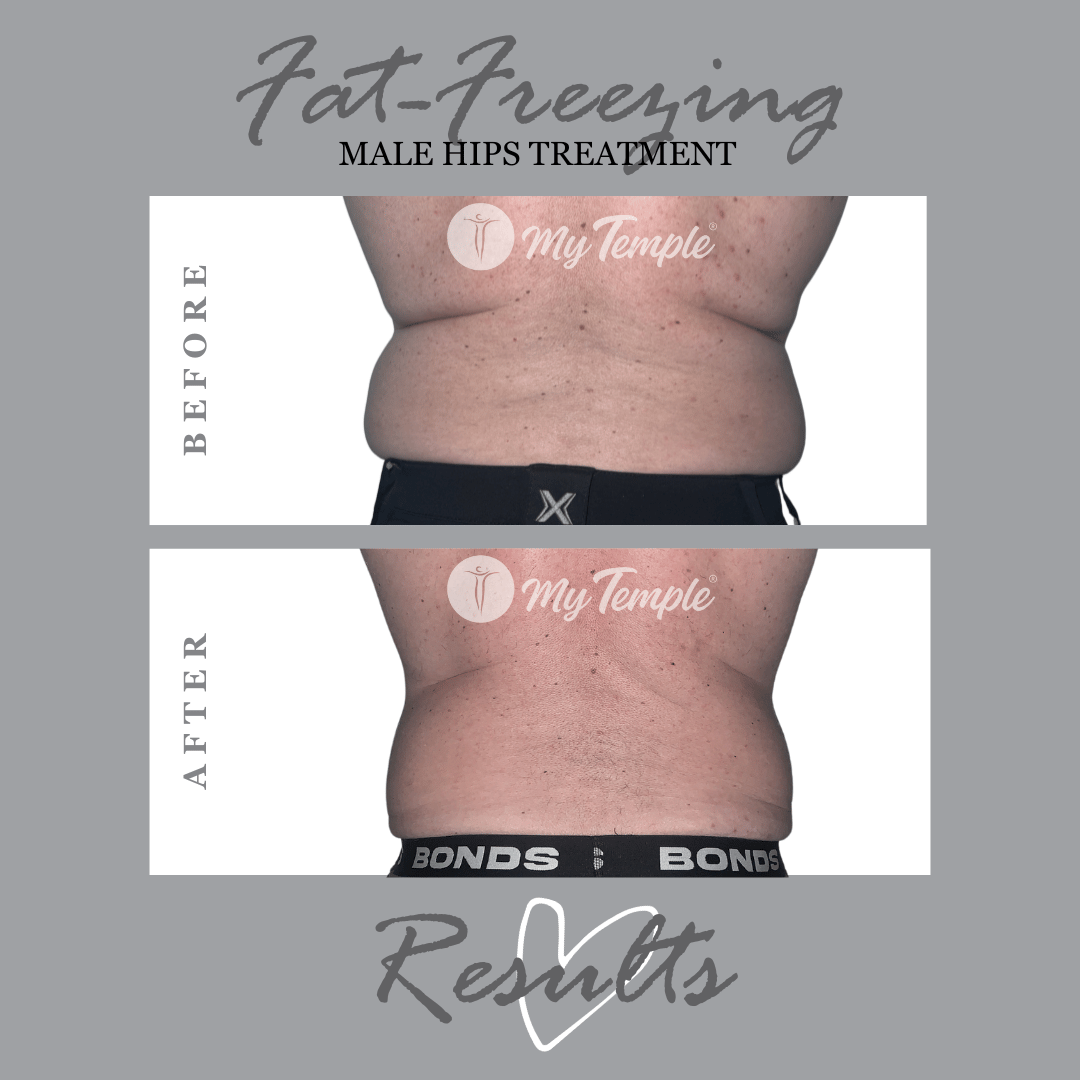
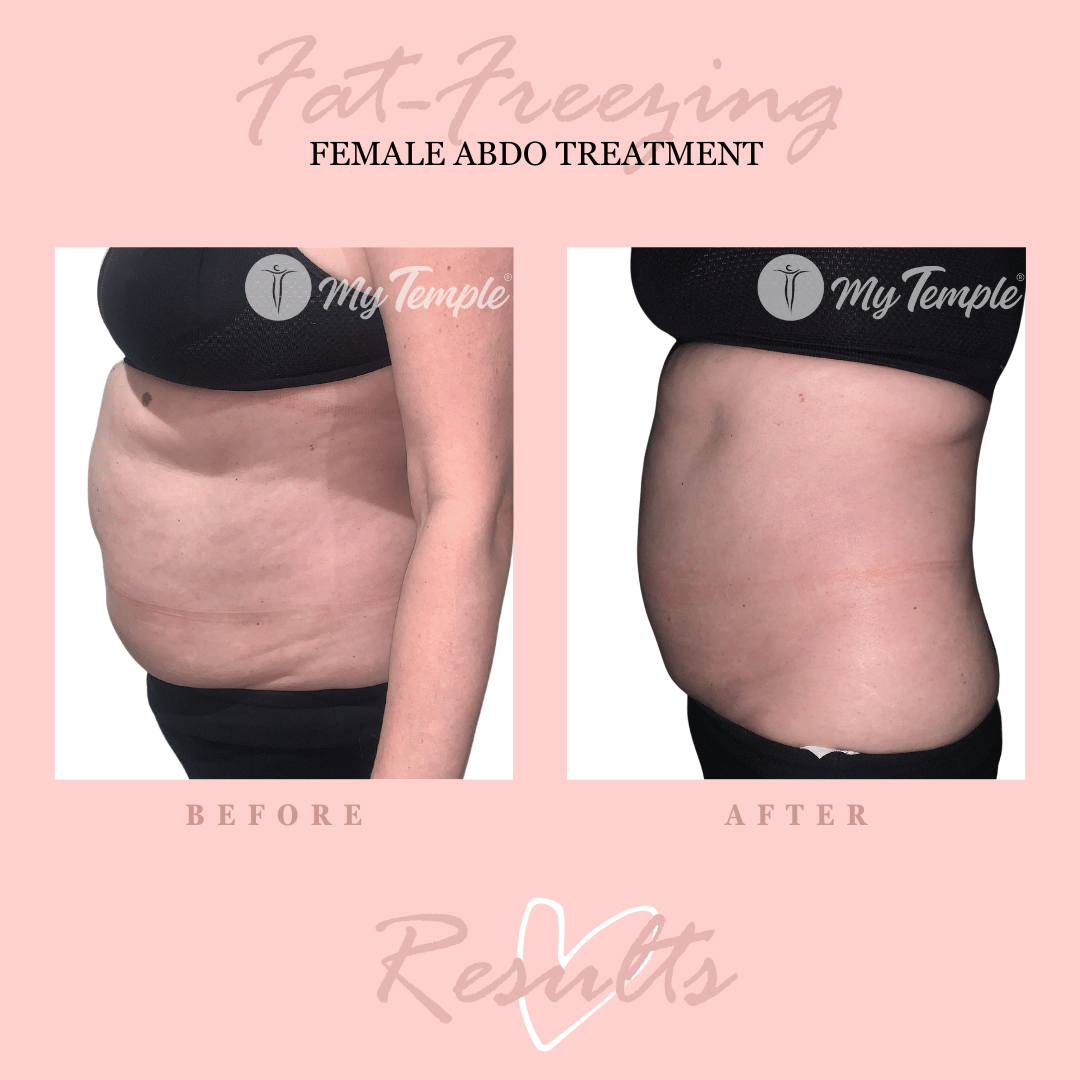
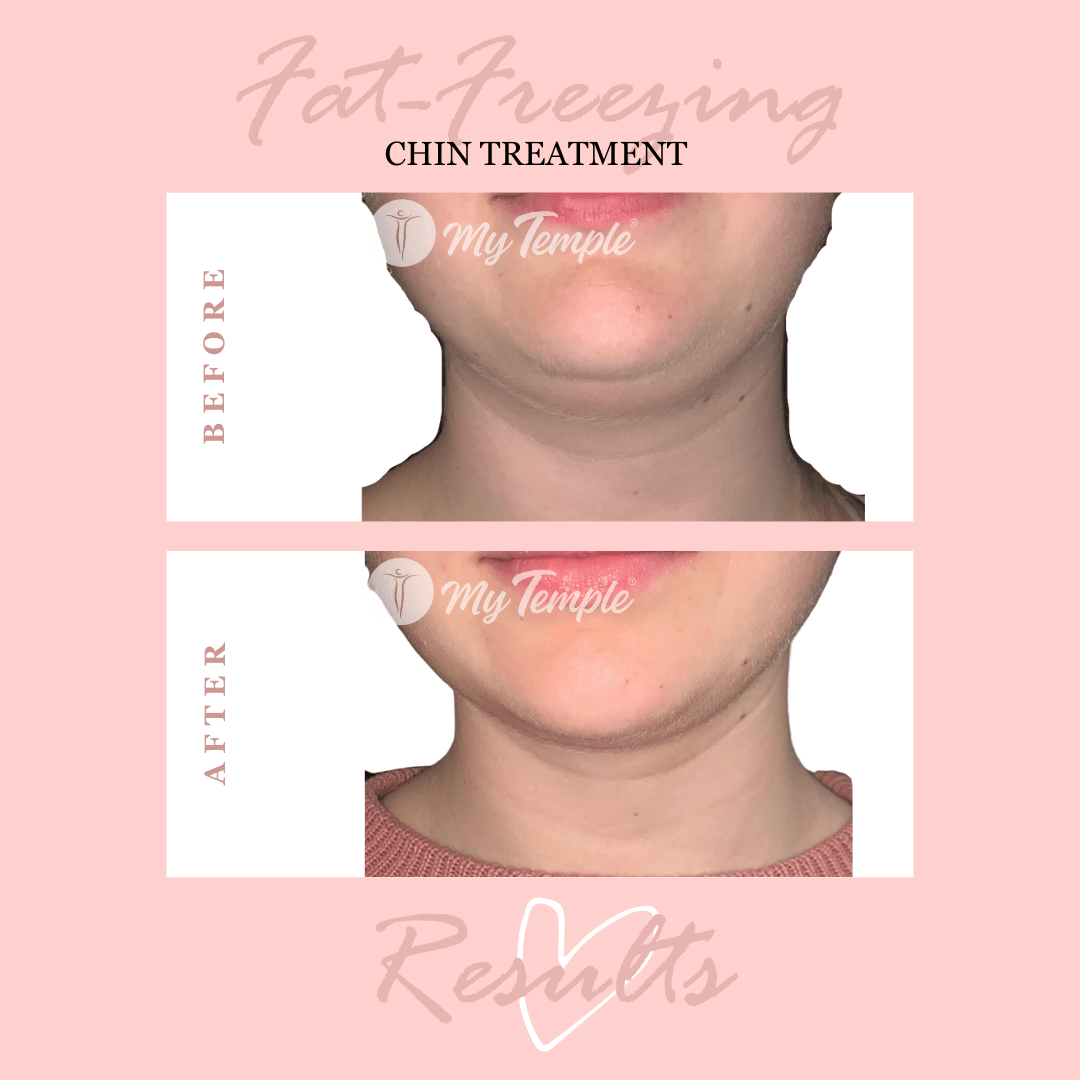
Clinical studies show that fat reduction can reach up to 30-40% in the targeted area, as the fat cells are permanently eliminated by the body. It can be effectively used on areas such as the chin, abdomen, thighs, flanks (love handles), back, arms, knees, and even the underarms. The patient satisfaction rate with CoolSculpting, a trade name for a particular fat-freezing machine, is as high as 73%, making it one of the most effective non-invasive fat-reduction treatments on the market. This technology is very effective in reducing fat layers and ensuring long-lasting results in targeted areas.
Appetite Suppresants: Average weight loss ranges from 5–11% of body weight when used appropriately and combined with lifestyle changes. But this could be body fat, water, or muscles.
-
Fat Freezing (coolsculpting): While the methodis generally considered safe, there are some minor side effects to consider. During the procedure, patients may experience a pulling or tugging sensation as the fat is drawn into the applicator. Additionally, a mild stinging or numbness may occur because of the cold temperature that is applied on the skin which can persist for a few days after the treatment. Some individuals may require multiple sessions to achieve their desired results if the fat layer is thicker. It’s also important to note that fat freezing only targets subcutaneous fat, meaning it does not affect deeper fat layers or visceral fat, which may require different treatment approaches for optimal results.
Appetite Suppresants:
Common: nausea, headaches, constipation/diarrhoea.
Serious: cardiovascular issues, mood changes, dependency, long-term side effects possible.
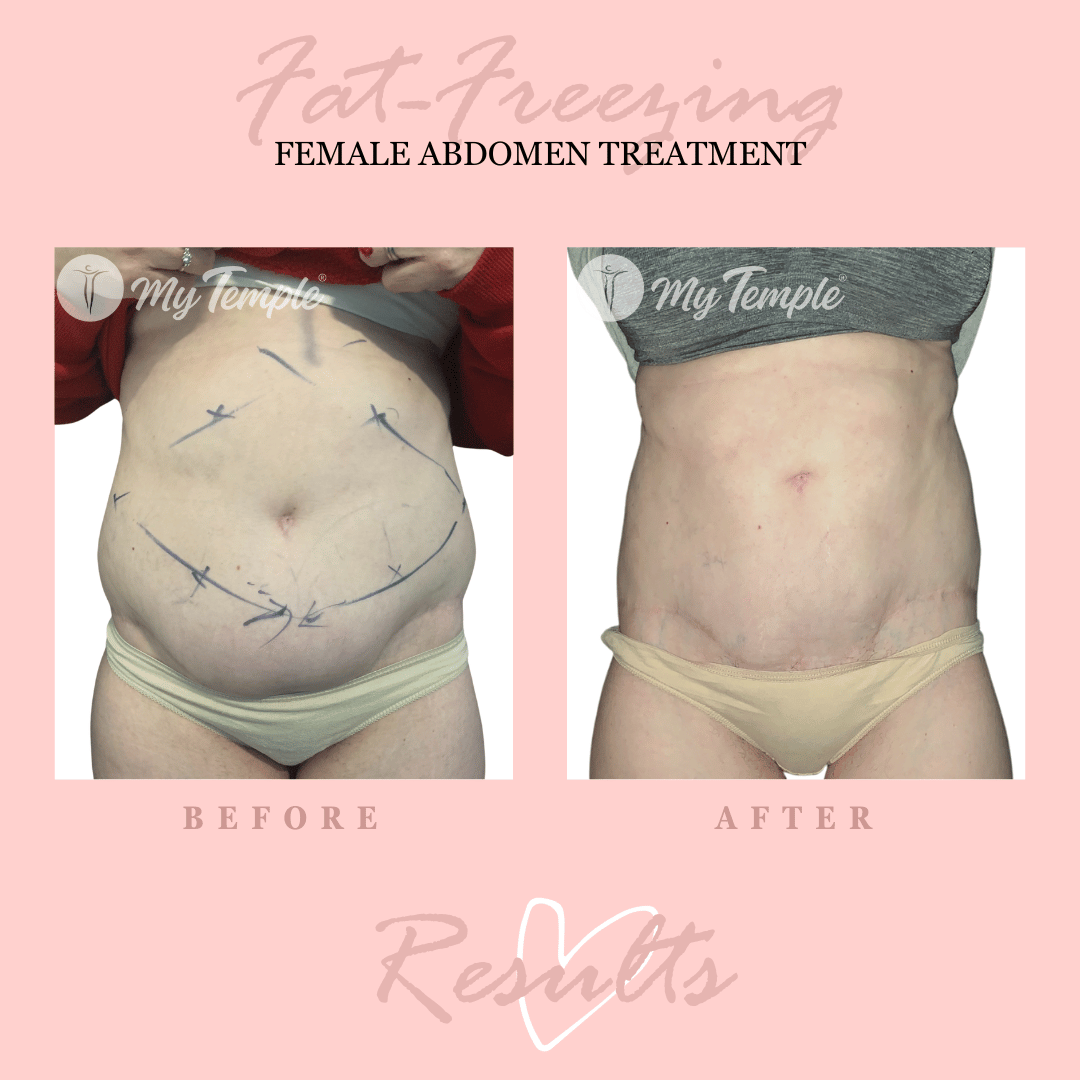
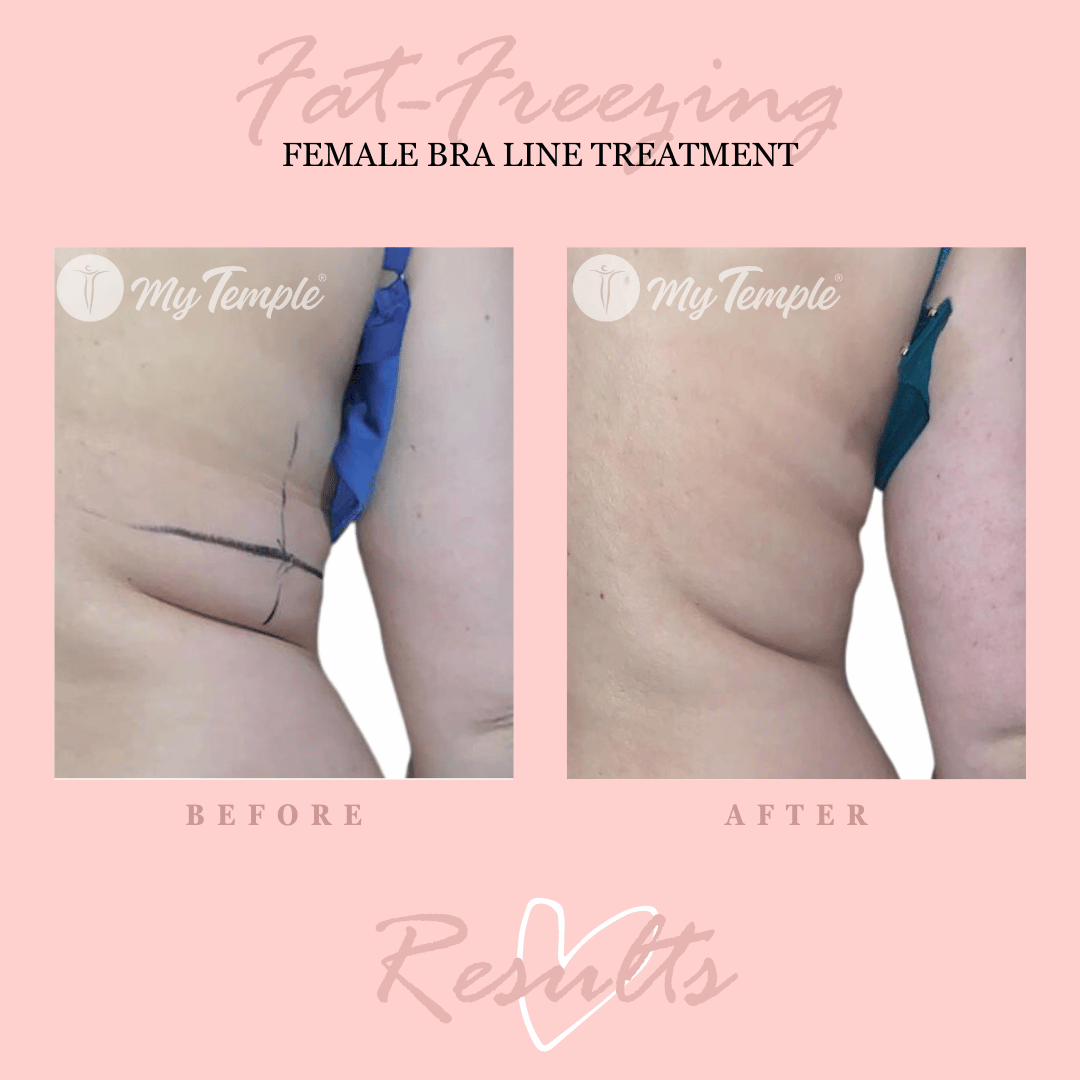
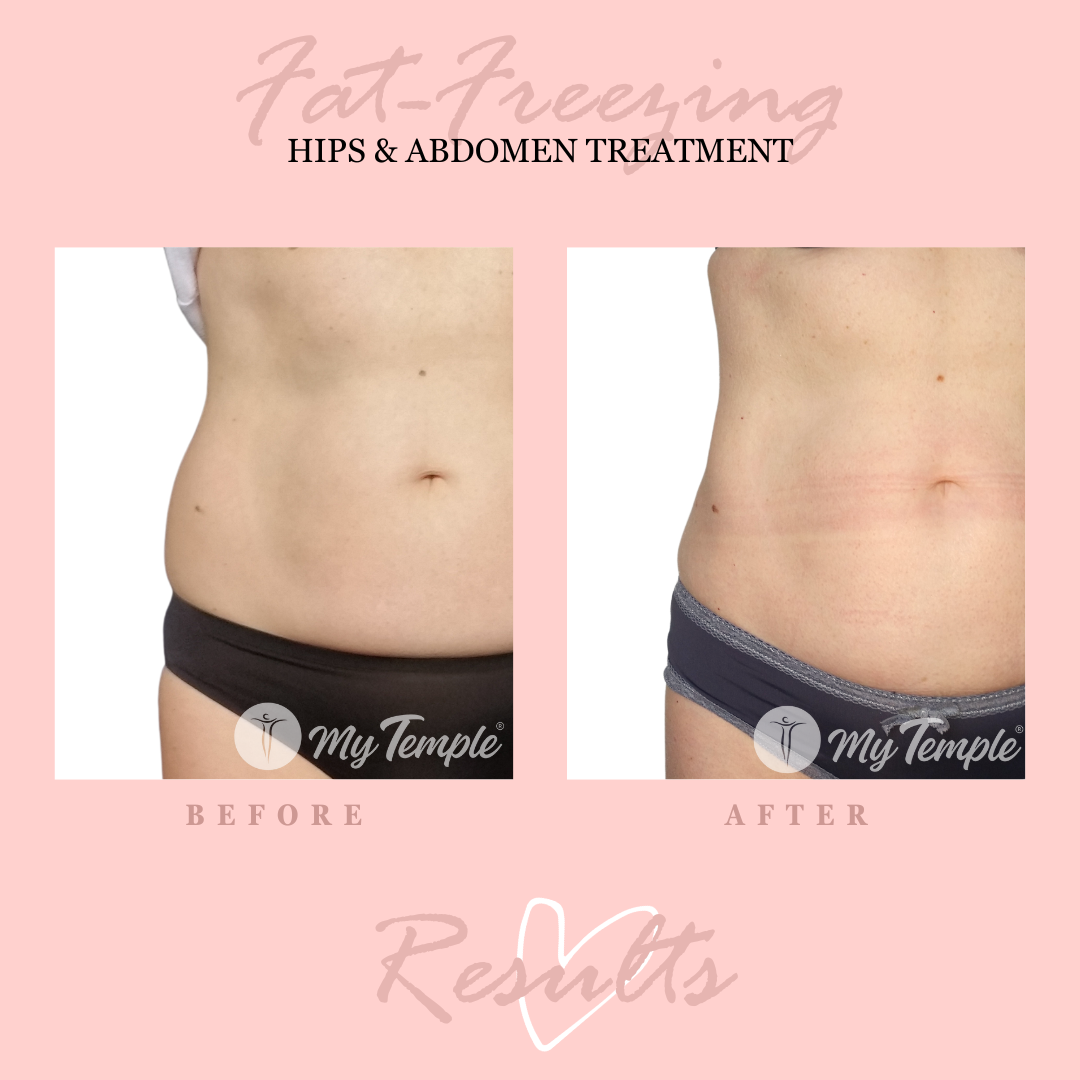
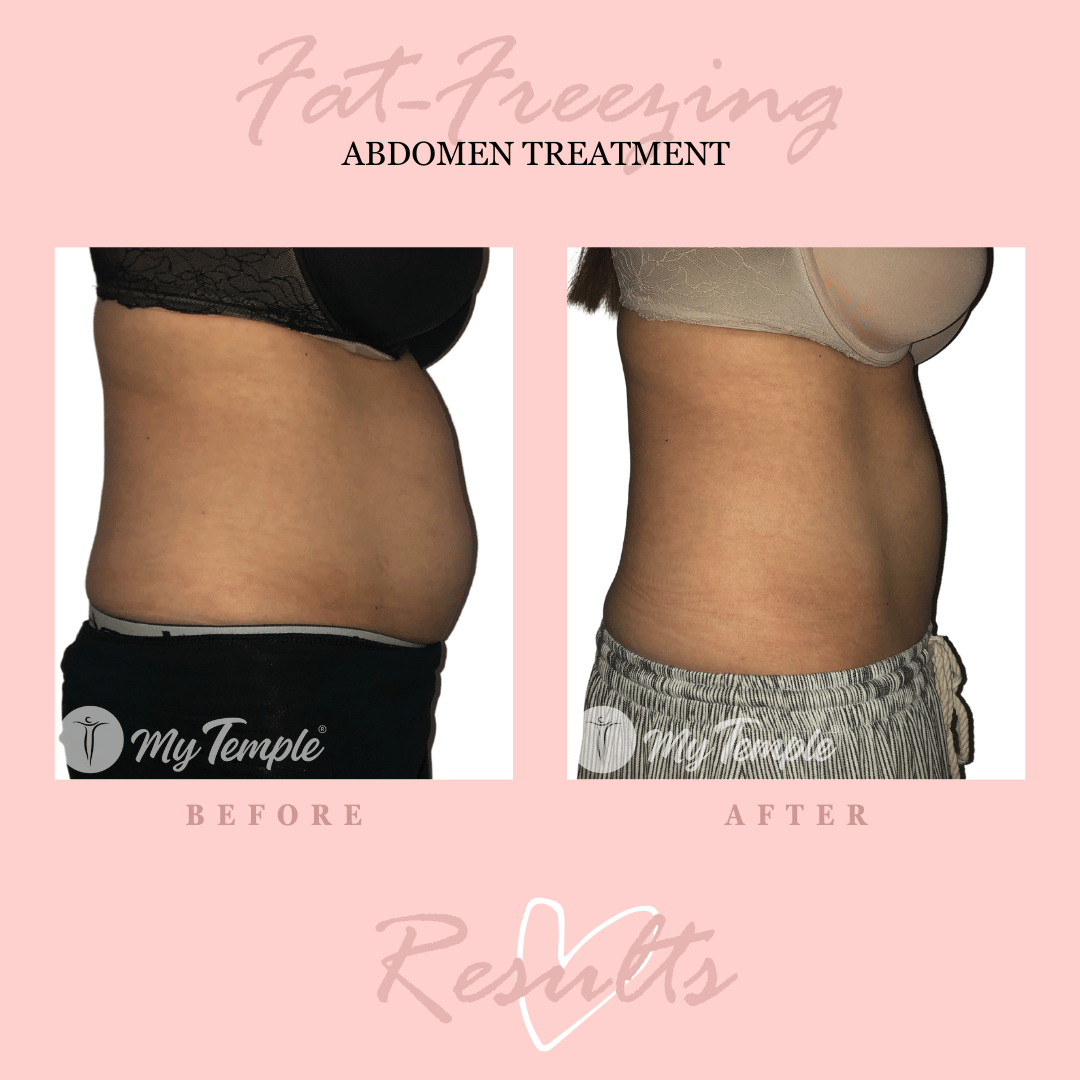
Fat Freezing results at only 5 days after treatment (the marker was still visible on our client’s belly in the after image) :

Fat Freezing is best if you are near your goal weight but have specific areas of stubborn fat you want removed. It offers targeted, permanent fat cell elimination with minimal downtime and moderate cost.
Appetite Suppressants are better suited for those needing general weight loss, particularly if lifestyle alone hasn’t worked. However, they involve ongoing costs, dependency, and the need for strong lifestyle support to be effective and sustainable.
SUMMARY KEY POINTS
CONCLUSION
Appetite suppressants can be a helpful short-term aid in reducing overall calorie intake and body weight, but they do not reshape or refine your figure. Fat Freezing, on the other hand, provides targeted, permanent fat reduction that complements your existing healthy habits — helping you achieve a more defined shape without medication or invasive procedures.
For best results, many clients choose to combine Fat Freezing with holistic lifestyle improvements and treatments like EMS Body Sculpting to strengthen muscles, improve metabolism, and support long-term fat loss.
CLIENT REVIEWS


RESULTS
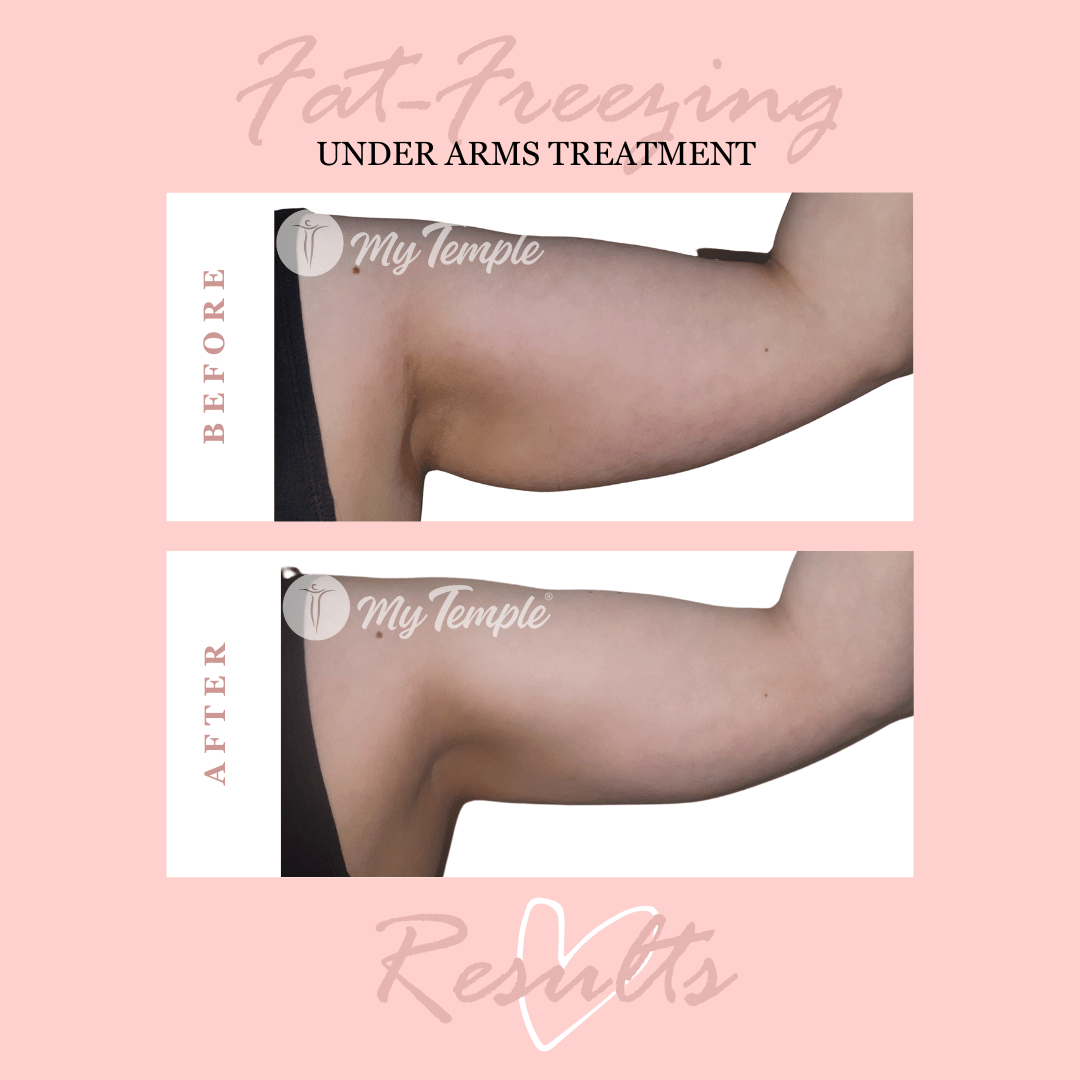
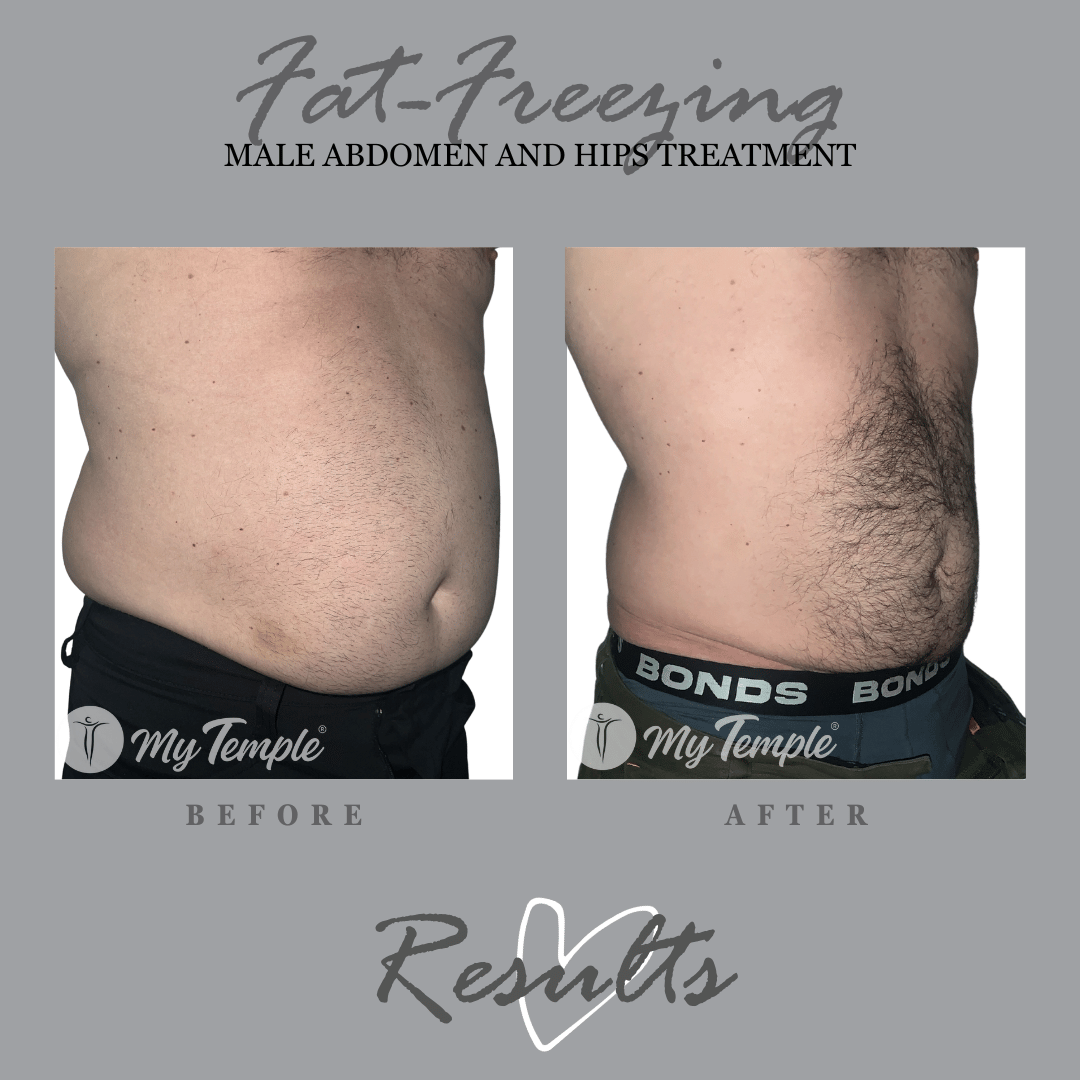
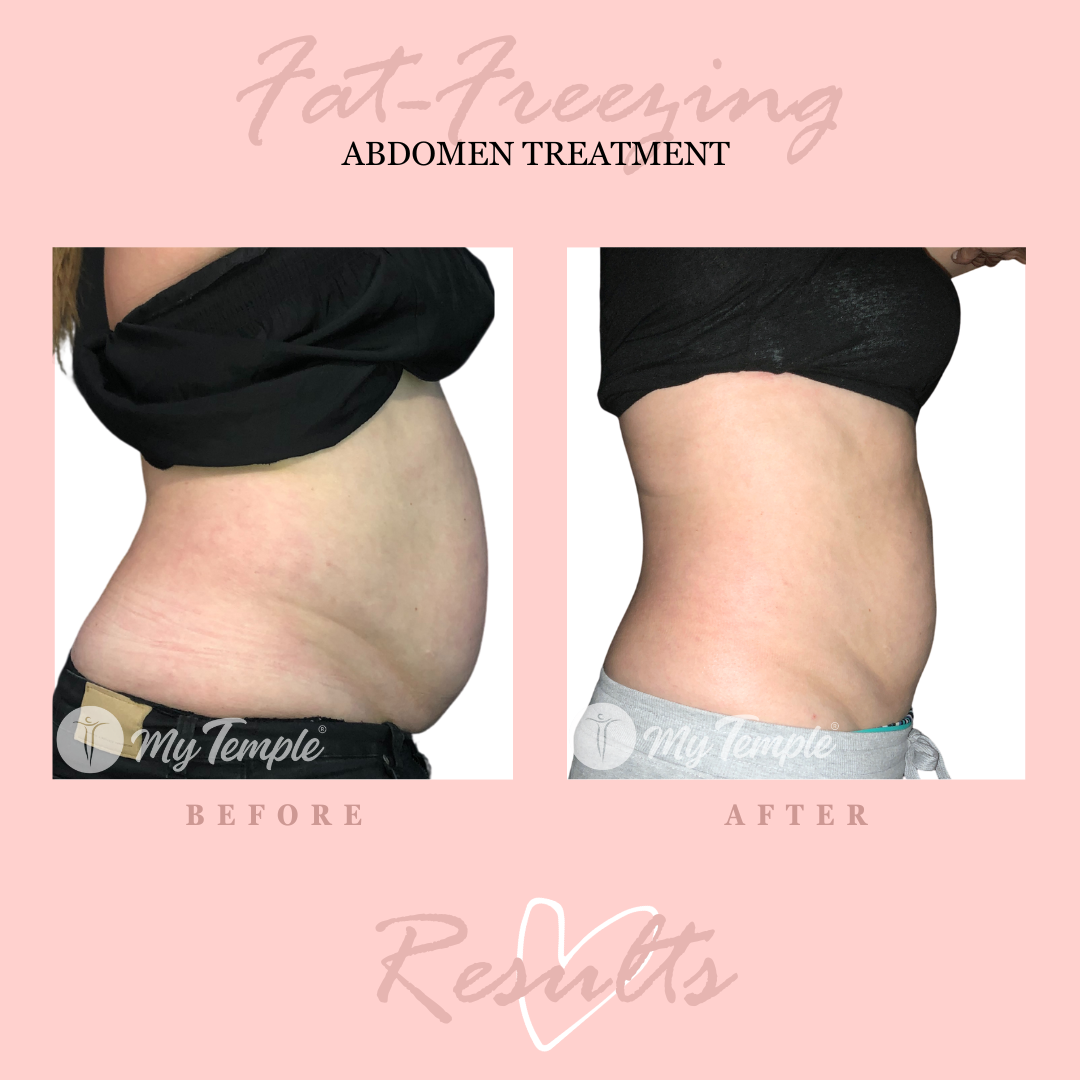


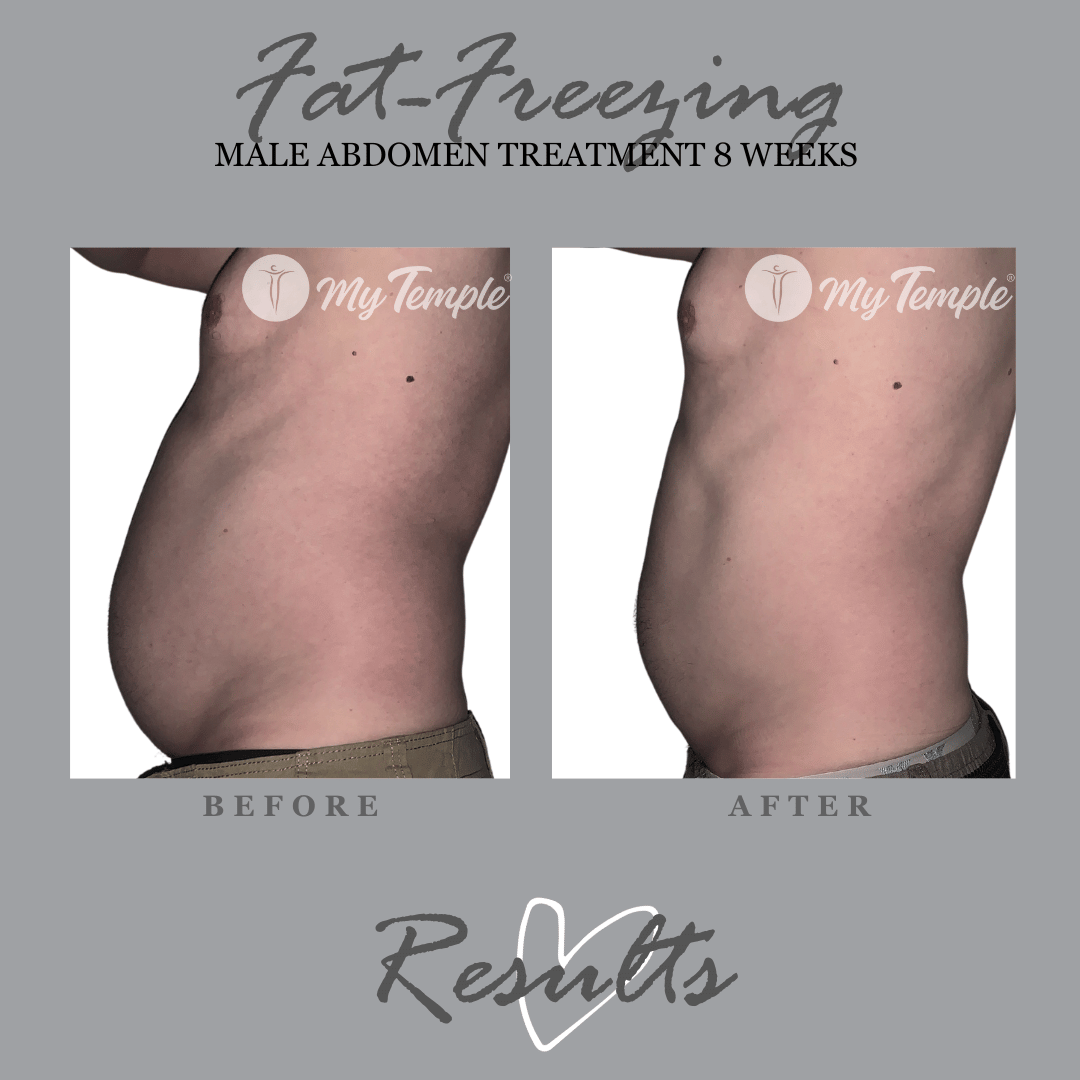






BOOK A CONSULTATION TO SEE WHAT IS RIGHT FOR YOU.
45-minute in-depth consultation with one of our professional team members, where you will be provided with a personal bioimpedance body scan for deeper insight and better understanding of your body.