


FAT FREEZING VS LIPOSUCTION:
Non-Invasive vs Invasive Fat Loss Treatment
KEY TAKEAWAYS

Comparing fat freezing (Cryolipolysis) and Ozempic to find the best non-invasive fat reduction treatment for your need. Learn about the mechanisms, efficacy, and suitability for long-term results.
Fat freezing is non-invasive with minimal downtime, ideal for those needing quick and permanent targeted area fat reduction, while liposuction offers more extensive fat removal and precise body sculpting, though it requires a longer recovery and is at a higher cost.
Both systems offer permanent fat cell removal but neither offers permanent weight loss, meaning that weight gain (the expansion of the remaining fat cells) can occur if diet and exercise is not adequately monitored.
Both systems offer permanent results however liposuction delivers faster results than fat freezing which takes up to 12 weeks to see the full results.
INTRODUCTION
Liposuction, introduced in the 1970s as a body sculpting procedure, is the most similar treatment to fat freezing, a body contouring treatment. Hence, as a business specialised in fat freezing, we must address the comparisons of liposuction to fat freezing since understanding the similarities and differences between these two approaches helps clients make informed decisions about the best option for their individual needs.
Among the various body contouring options available, fat freezing (cryolipolysis) and liposuction stand out as two of the most effective methods for targeted fat reduction, helping individuals to address stubborn areas that may not respond well to diet and exercise alone. Both fat freezing (quite often referred to as CoolSculpting©) and Liposuction provide permanent fat cell removal, resulting in permanent body shape changes.
Weight loss is the term generally referred to when we talk about changing our body shape. These desired changes occur when the fat cells throughout our body shrink, leading to a reduction in belly size, waist circumference, and a looser fit in our clothes. As we lose weight, we begin to notice more defined features, such as our cheekbones and collarbones. However, this "weight loss" and the resulting change in body shape come from reducing the size of fat cells, not their elimination. When we restrict our calorie intake or increase our physical activity, the body taps into stored fat as a source of energy, causing fat cells to shrink. This process ultimately leads to a new body shape and visible weight loss on the scale.
Before we jump into how fat freezing and liposuction work and how they differ, It is important to distinguish the two types of fat that are present in the human body.

SUBCUTANEOUS AND VISCERAL FAT
Subcutaneous fat is stored right beneath the skin. It’s mainly found around the hips, butt, thighs, and belly. This is the fat you can pinch with your fingers. Visceral fat, on the other hand, is located under the abdominal muscles, around the abdominal and other organs like the heart, liver, pancreas, stomach and intestines. Visceral fat is linked with a higher risk of health issues like diabetes and heart disease (think of a heart having a large layer of fat around it, needing to pump harder)
Body contouring via fat freezing and liposuction works by reducing or removing subcutaneous fat cells. While it may seem appealing to use liposuction for targeting visceral fat, this approach carries significant risks since it penetrates the peritoneum (a serous membrane that houses all of the abdominal organs) and poses a danger of lacerating the bowel or other organs with the liposuction cannula (needle). For these reasons, liposuction is deemed most suitable for subcutaneous fat reduction only.
Fat freezing and liposuction offer distinct approaches to fat removal, catering to different needs and lifestyles. Fat freezing is a non-invasive treatment that uses cold temperatures to permanently eliminate superficial fat cells, making it an ideal choice for those with busy schedules who seek a simple, low-downtime solution. In contrast, liposuction is a more invasive procedure that removes fat from both superficial and deeper layers, making it suitable for those looking to remove larger volumes of fat in a single session. While fat freezing is excellent for targeting specific areas with minimal disruption to daily activities, liposuction provides a more comprehensive option for significant fat reduction, though it requires a longer recovery period. Both procedures offer tailored solutions to help individuals achieve their body goals and improve their overall self-confidence. Fat freezing results in the permanent removal of the fat cells in the targeted area. Liposuction removes fat cells from the targeted area as well, but not completely, the remaining cells can grow and result in the return of the unwanted fat.

UNDERSTANDING LIPOSUCTION
-
Liposuction is a surgical procedure for removing subcutaneous fat using aspiration cannula (hollow needles) inserted through small incisions in the skin, aided by suction. It is the most common cosmetic procedure worldwide, with over 2.2 million procedures performed in 2023. Although invasive, liposuction is considered safe and highly effective for body contouring. Since its introduction in the 1970s, it has been commonly operated to remove fat from superficial layers and reshape body contours. Liposuction can target various areas, including the face, chin, neck, armpits, arms, breasts, abdomen, love handles, waist, hips, buttocks, thighs, knees, and ankles. Beyond cosmetic uses, it is also employed to treat conditions like lipedema, lipodystrophy, lipoma, and gynecomastia.
(Can we link this to our chest page for men where we discuss gynaecomastia?)
-
Liposuction is typically performed using local anesthesia for smaller areas, with or without sedation to ease anxiety. For larger fat removal areas, general anesthesia may be required.
The most common form of liposuction nowadays is called tumescent liposuction, which involves injecting the area with a saline (salty) fluid mixed with local anaesthetic. This technique facilitates the fat removal process, reduces bleeding risks, and provides numbing that lasts during and after the procedure. Small incisions are made with a scalpel in areas where scars can be easily concealed, through which a large hollow needle (cannula) is inserted. These cannulas will then inject the tumescent fluid, dislodge fat from the surrounding tissue before suctions out fat and fluid.
While newer techniques like laser-assisted and ultrasound-assisted liposuction have been developed, suction-assisted liposuction remains the standard. Cannulas of varying sizes are attached to either a power pump or syringe to create suction. The cannula is moved in a crisscross motion within the fat layer to break down and remove the fat efficiently.
The remaining dislodged fat cells that are not vacuumed out (it is unusual for all of the fat cells to be removed) are then free to move around underneath the skin, This is why compression bandages are applied post procedure to ensure that these cells adhere to the desired location and therefore provide the desired contour. Gravity for example can cause these fat cells to slowly slip downwards and adhere to an undesired position, once again indicating the need for compression garments.
-
After the procedure, clients often experience mild discomfort, redness, swelling, bruising, and slight leakage of the leftover local anesthetic or fluid. Because of these side effects, results are not immediately visible. Swelling typically subsides over 1–3 months, with full results becoming apparent around the 3-month mark. After-care is essential, especially for the small skin incisions, which may require dissolvable sutures or medical tape for healing.
While liposuction effectively removes fat cells, the remaining cells in the treated area, intentionally left to maintain a natural contour, and fat cells elsewhere in the body can still enlarge if a healthy weight isn’t maintained through diet and exercise. Additionally, the removal of significant amounts of fat may lead to loose or lax skin, sometimes requiring a follow-up procedure to tighten or remove excess skin.
-
Even though liposuction complications can be minimised with appropriate minimally traumatic techniques. It still carries some complicated risks including:
Contour defects or irregularities
Skin color changes
Bruising
Complications due to anesthesia drug
Bleeding
Numbness or increased sensitivity of the skin
Fat embolism
Deep vein thrombosis and pulmonary embolism
Abdominal organ perforation and peritoneam perforation
Infection and necrotizing abdominal wall fasciitis and fasciitis in general
Fluid overload and pulmonary edema (with the tumescent method)
Liposuction has a high satisfaction rate, with studies showing that 80% of the patients are pleased with their results. And 86% of them would recommend the procedure to family and friends. However, it’s also worth noting that 65% of patients experienced fat return within six months after the procedure, indicating the need of lifestyle change to maintain and preserve results
Read more about Liposuction:
A journey through liposuction and liposculture: Review
What to Expect After Liposuction - A Look At Recovery and Results.
What Results should I Expect After Liposuction.
Lifestyle Outcomes, Satisfaction, and Attitudes of Patients After Liposuction: A Dallas Experience.
Evaluation of Long-Term Outcome and Patients Satisfaction Result after Tumescent Liposuction.
UNDERSTANDING FAT FREEZING (CRYPLIPOLYSIS)
-
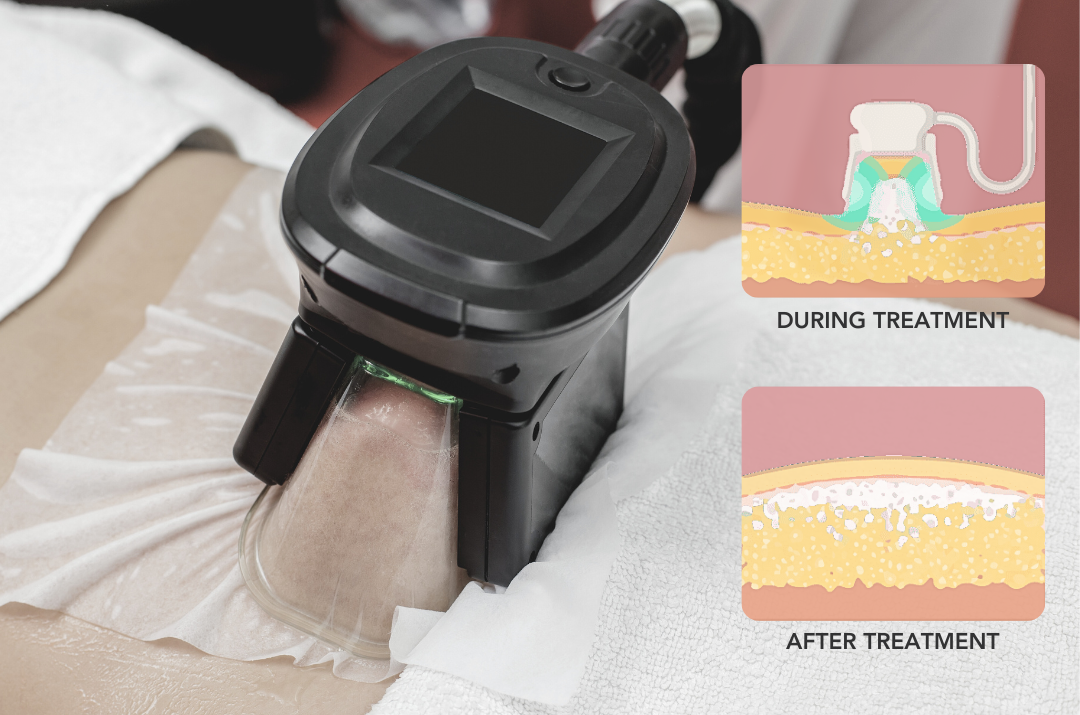
Fat freezing/ cryolipolysis is a non-invasive procedure that uses controlled cooling to target and eliminate fat cells. A panelled or cupped device is applied to the treatment area, freezing the fat cells without harming the surrounding skin, muscles, or nerves. This makes fat freezing an ideal solution for addressing stubborn fat in specific areas, such as the chin, underarms, back or bra rolls, love handles, abdomen, thighs, calves, and knees.
The freezing process causes fat cells to crystallize and die, after which they are broken down by immune cells called macrophages and gradually removed through the lymphatic system. The procedure is performed without the need for general or local anesthesia. Once the fat cells are destroyed during the treatment, they are permanently eliminated from the body.
During the procedure, clients may initially feel a sensation of tugging or pulling as the tissue is drawn into the vacuum applicator. A slight stinging may also occur as the area becomes numb. After the procedure, it is common to experience temporary numbness and tingling due to the cold exposure, but these sensations typically resolve within a few days.
-
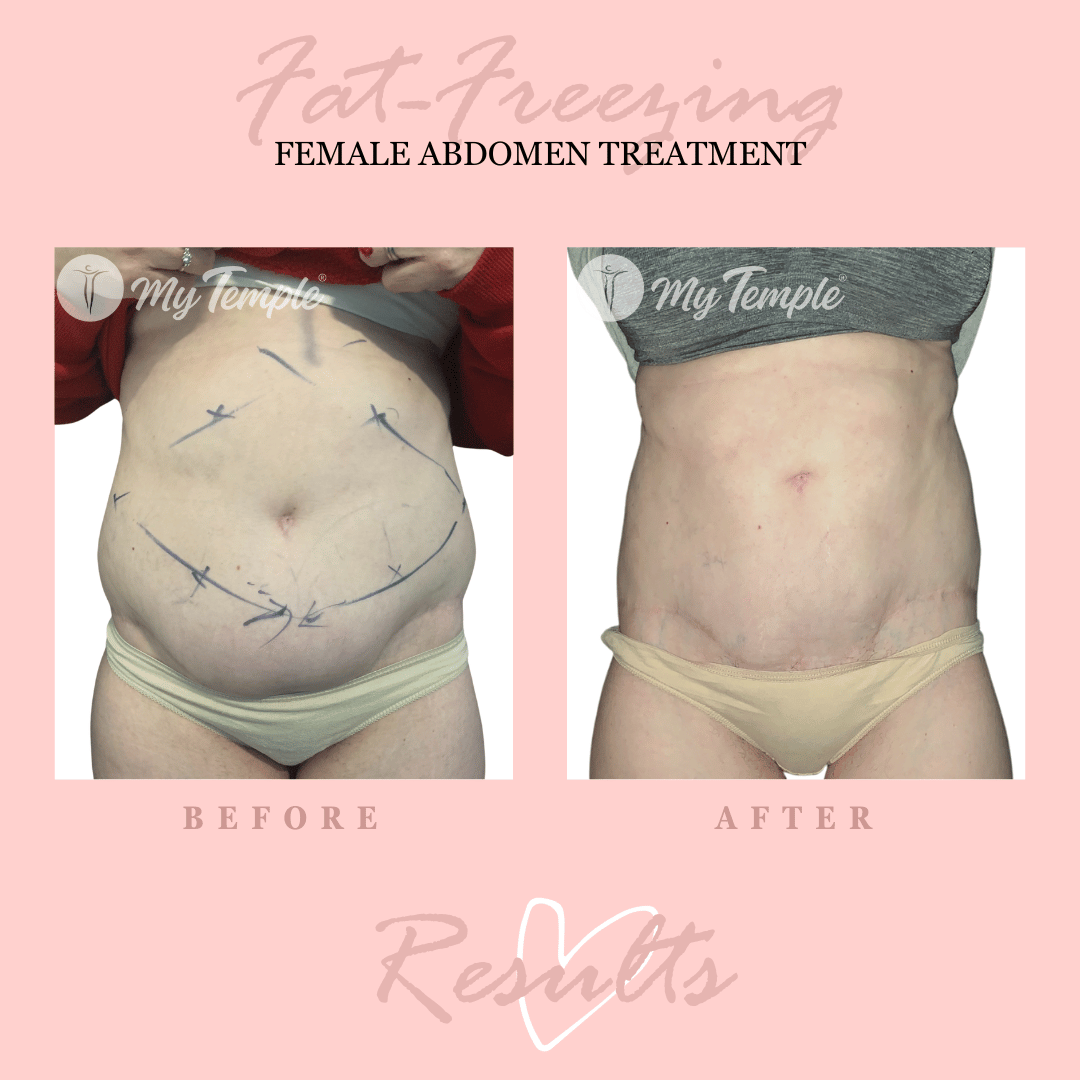
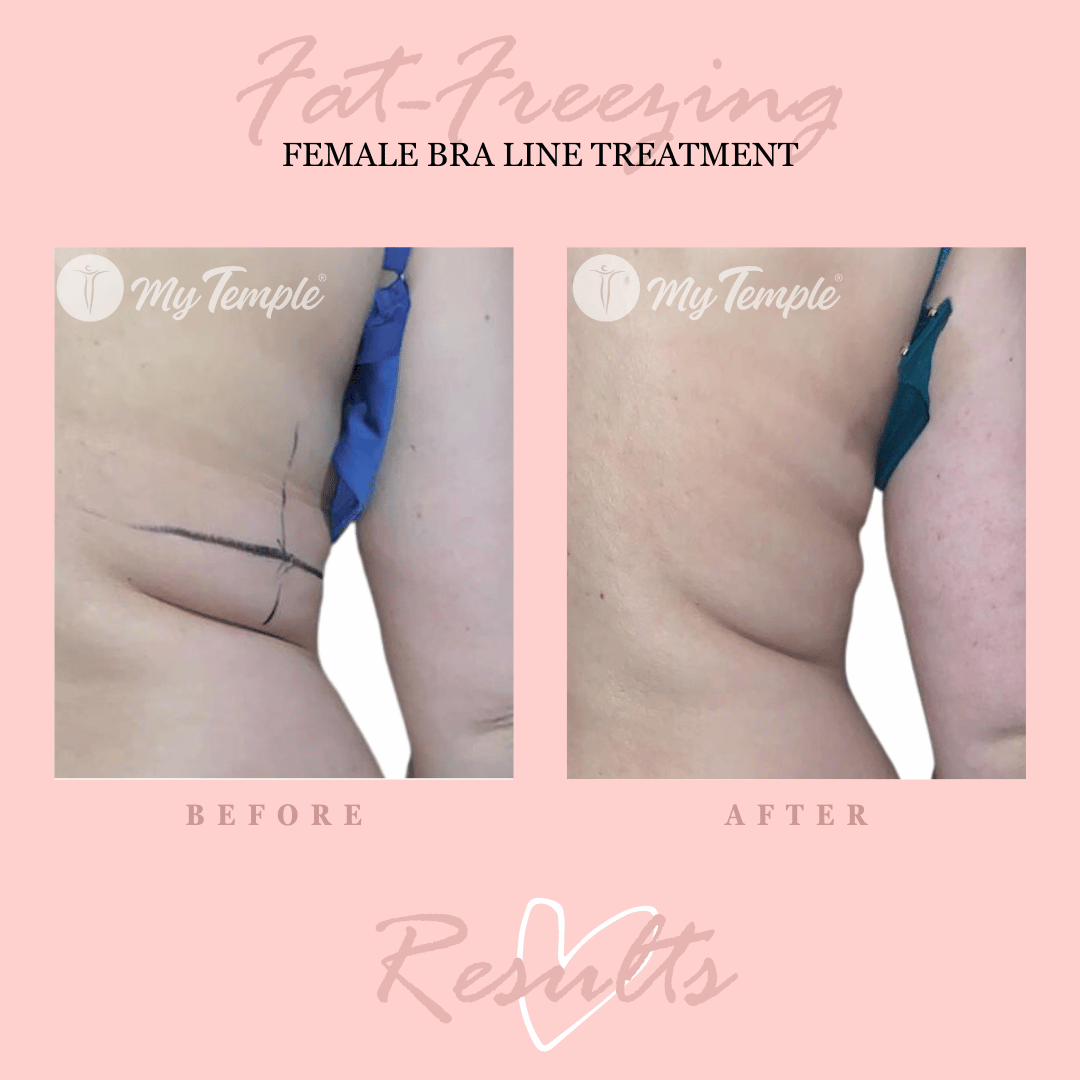
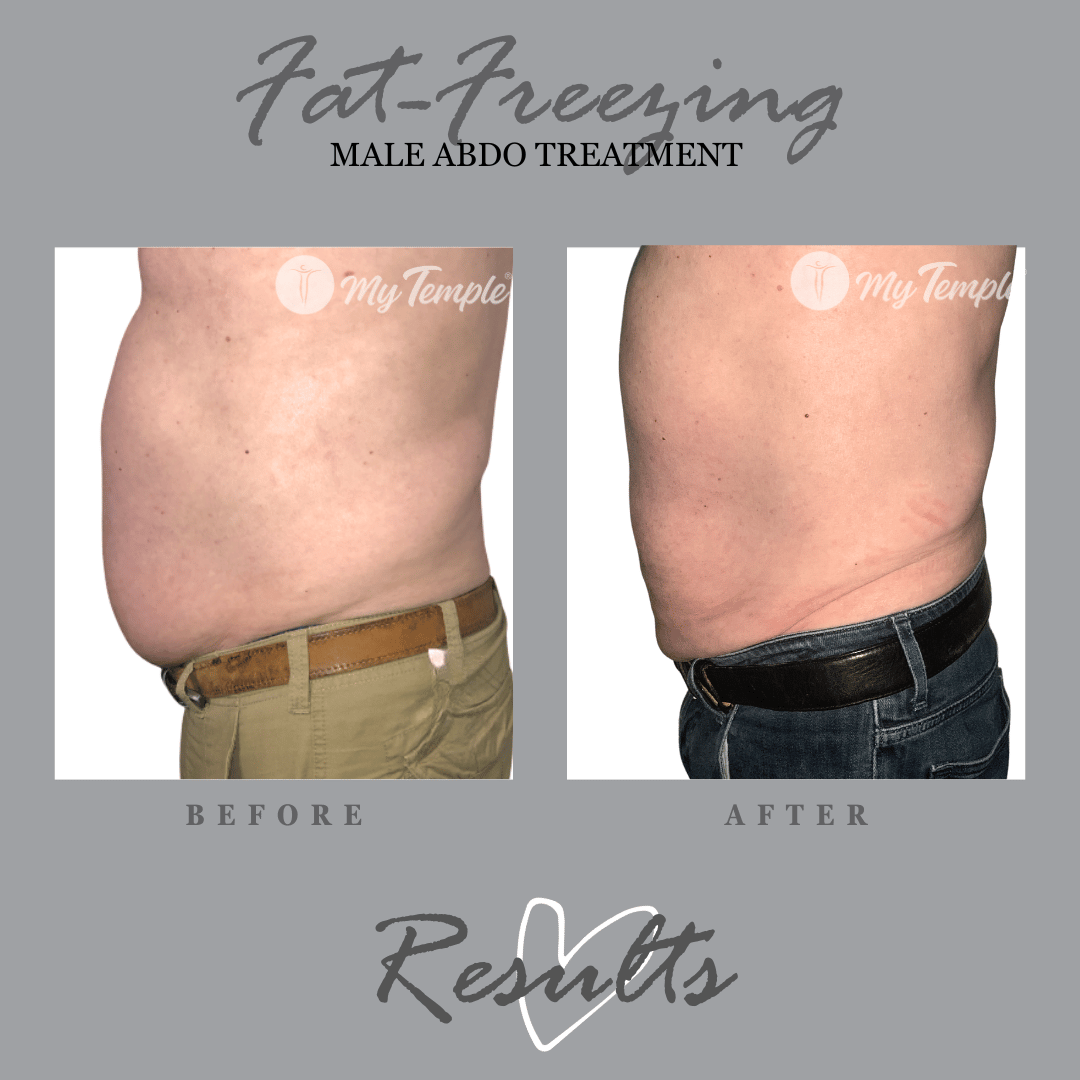
Fat freezing has been studied extensively in both animal and human models. The results have been excellent with visible and fast results. The effects can be visible in as little as 2-4 weeks after treatment with final results showing up to a 25% reduction in fat. This efficacy is seen with only 1-2 sessions, proving its superiority. Fat reduction is permanent during freezing because the cells are removed from the area, leading to a long-lasting solution to stubborn fat pockets and bulges. Patients are highly satisfied even after just one session of this therapy because of this effect.
A study by Krueger et al. (2014) quotes two additional studies and states, “The clinical efficacy and safety of cryolipolysis has been studied in both human and animal models. In two separate studies, animal models demonstrated a reduction of up to 1 cm or 40% of the total fat layer thickness after a single exposure without harming the overlying skin.” (Manstein et al., 2008 & Zelickson et al., 2009)
An additional reference included in this study - refers to the article by Coleman SR et al, titled “Clinical efficacy of noninvasive cryolipolysis and its effects on peripheral nerves” States that “in a study published in 2009 involving ten subjects reported a 20.4% and 25.5% reduction in the fat layer 2 months and 6 months after treatment, respectively
References:
Coleman, S. R., Sachdeva, K., Egbert, B. M., Preciado, J., & Allison, J. (2009). Clinical efficacy of noninvasive cryolipolysis and its effects on peripheral nerves. Aesthetic Plastic Surgery, 33(4), 482–448.
Krueger, N., Mai, S. V., Luebberding, S., & Sadick, N. S. (2014). Cryolipolysis for noninvasive body contouring: Clinical efficacy and patient satisfaction. Clinical, Cosmetic and Investigational Dermatology, 7, 201-205. https://doi.org/10.2147/CCID.S44371
Manstein, D., Laubach, H., Watanabe, K., Farinelli, W., Zurakowski, D., & Anderson, R. R. (2008). Selective cryolysis: A novel method of non-invasive fat removal. Lasers in Surgery and Medicine, 40(9), 595–604. https://doi.org/10.1002/lsm.20719
Zelickson, B., Egbert, B. M., Preciado, J., et al. (2009). Cryolipolysis for noninvasive fat cell destruction: Initial results from a pig model. Dermatologic Surgery, 35(10), 1462–1470. https://doi.org/10.1111/j.1524-4725.2009.01259.x
-
Pros:
Results in permanent fat loss with as little as 1 session
Doesn't require general or local anesthetic
Most clients see a visible reduction within 2-3 weeks
Effective results at 12 weeks due to the removal of fat cells via the lymphatic system
Fewer treatments are required to reach the desired result when compared with other non-invasive treatments (Including Radio Frequency or Fat Cavitation ) See more Fat Loss Treatments comparison here.
Targeted fat loss
No dietary changes required
Little to no downtime
Cons:
The feeling of pulling during the procedure
Mild stinging sensation as the skin becomes numb that may last a few days after treatment
Repeated sessions may be needed depending on the thickness of the fat layer
Targets only subcutaneous fat
Fat freezing (or cryolipolysis) has been proven many times to deliver permanent fat loss, often after just one session of treatment. Initial results usually become noticeable within 2-4 weeks, with final results typically visible around 12 weeks. Clinical studies have shown an average fat cell reduction of 26%. However, with advancements in treatment technology, this has increased to 30-40% reduction per treatment. Since fat cells are permanently removed, the results are long-lasting. Patient satisfaction rates are high, with studies showing up to 73% of patients are content , making fat freezing practically a more effective solution than other non-invasive fat reduction methods.
Read more about Fat Freezing:
Cryolipolysis for noninvasive body contouring: clinical efficacy and patient satisfaction
The Safety and Efficacy of Cryolipolysis: A Systematic Review of Available Literature.
A Multicenter Evaluation of Paradoxical Adipose Hyperplasia Following Cryolipolysis for Fat Reduction and Body Contouring: A Review of 8658 Cycles in 2114 Patients

FAT FREEZING VS LIPOSUCTION
-
The cost of each procedure may vary depending on the amount of fat tissues, the treated area, desired outcome and the number of sessions. Liposuction typically starts at an average of $3600 while fat freezing (or CoolSculpting ©) at our clinics can be as low as $199 per area if part of a package
Get more information on pricing here or contact us for a free consultation.
-
Fat freezing is often referred to as a "lunchtime treatment" due to its non-invasive nature and minimal recovery time. Once the procedure is done, clients can immediately return to their normal routines, whether it's heading back to work, hitting the gym, or meeting up with friends. In contrast, liposuction requires a recovery period, with most patients needing a few days of rest and typically resuming daily activities after about a week.
Read about the common mistakes to avoid after Fat Freezing treatment here.
-
Liposuction and fat freezing are both effective options for fat removal, though they offer different approaches. Fat freezing permanently eliminates fat cells, resulting in long-lasting changes with a reduction of up to 30-40% of fat in the treated area. While liposuction doesn't remove all fat cells in the targeted area, it can remove 5-8 liters of subcutaneous fat in a single session and deliver more immediate results. Both procedures are highly effective, but the choice depends on individual goals and the extent of fat removal desired.
-
Fat freezing delivers gradual changes, with noticeable results within 2-3 weeks and final outcomes visible around 12 weeks after treatment. In contrast, liposuction offers more immediate, drastic changes, as a significant amount of fat is removed in one session. Swelling and bruising from liposuction subside within a few days, but final results may still take weeks to months to fully manifest.
For those with a busy lifestyle, fat freezing is a convenient option due to its minimal downtime. The treatment only takes a few hours, allowing clients to resume daily activities immediately. Liposuction, however, requires a recovery period, typically about a week, making it less suitable for those with active schedules.
While fat freezing is effective in removing targeted fat, it often requires multiple sessions to achieve optimal results. Liposuction, on the other hand, offers more precise fat removal and is ideal for detailed body sculpting, giving patients more control over their desired body shape in one procedure. The choice between the two depends on personal goals, lifestyle, and the level of precision needed for body contouring.
SUITABILITY FOR DIFFERENT NEEDS

Fat freezing is not suitable for people with cold-induced conditions, for breastfeeding or pregnant. It is ideal for those with a busy schedule requiring a quick and effective treatment for stubborn fat.
Liposuction has more side effects and should not be conducted on patients with heart problems, blood-clotting disorders, or pregnancy. Because liposuction is an invasive procedure and uses anesthesia medication, care should be given to people with comorbidities and older age.
CONCLUSION
In summary, both fat freezing and liposuction are effective options for targeted fat reduction, each suited to different personal health and aesthetic goals. Fat freezing is a non-invasive treatment with minimal downtime, making it ideal for those who are busy and seeking gradual changes. On the other hand, liposuction provides more extensive fat removal, perfect for individuals aiming for more drastic body contouring.
Choosing between these treatments involves considering the implications for long-term health and well-being. If selected thoughtfully, both treatments can be beneficial for your well-being and can boost your confidence.
A personalised consultation with a qualified professional is essential to assess your health, lifestyle, and goals. This expert guidance ensures you make an informed, safe choice for the most effective results tailored to your needs.
FAQS FOR FAT FREEZING AND LIPOSUCTION
-
Liposuction offers immediate removal of fat cells, whereas fat freezing relies on the body's natural processes to eliminate fat cells over the following weeks. Despite having different mechanism, both treatments can come some swelling, meaning visible results typically start appearing around the 2-3 week mark. Full results for both fat freezing and liposuction are generally achieved after 12 weeks.
-
Fat freezing is generally considered a safer safer compared to liposuction due to its non-invasive nature, meaning it doesn't require surgery, anesthesia, sedation, or incisions. This significantly reduces the risk of complications, making Fat Freezing a more appealing choice for those seeking fat reduction with minimal risk and downtime.
-
Yes, it is possible to gain weight after both Liposuction and Fat Freezing. While these treatments help remove fat permanently in treated areas, the body still has fat cells throughout (both subcutaneous and visceral fat cells) which can expand in size if energy intake exceeds energy output. Eventually leads to weight gain.
You can read more about the basics of weight loss and fat loss in our book “Why can’t I lose weight” here.
At Beautiful Body Clinics, we offer ongoing support through our Behavioral Support Program for our clients after their fat freezing treatments with us. This program provides daily motivation, education, inspiration, and accountability to help clients manage their eating and exercise habits. Learn more about our program here.
-
There is no strict weight requirement for liposuction or fat freezing, as both procedures target specific areas of subcutaneous fat. However, it is important for clients to have realistic expectations regarding the outcomes. These treatments are generally not recommended for individuals who are significantly overweight or obese unless they are only targeting a specific area, such as the chin, or understand that multiple sessions may be required due to the thickness of the fat.
Ideal candidates are typically within 30% of their ideal body weight and have localized fat deposits they wish to reduce. For those who are obese or extremely obese, alternative treatments such as abdominoplasty or bariatric surgery may be more suitable, offering more substantial fat reduction and weight loss.
Read more about the basics of these surgeries [here]
-
However, due to the qualifications required for a doctor to perform liposuction—typically involving a medical degree and sometimes additional cosmetic or surgical training—along with the costs associated with the invasiveness of the procedure (including cutting the skin and the need for sterile equipment and processes), liposuction generally costs at least five times more than fat freezing for a single treatment area.
Fat freezing, on the other hand, starts as low as $386 for a single area of treatment, and even lower if part of a package. Although fat freezing in Australia does not require formal medical qualifications, the skill and experience of the clinician are crucial given that the results are permanent. At Beautiful Body Clinics, with over 8,000 treatments performed since 2017, we pride ourselves on an honest and conservative approach, ensuring clients receive the right amount of treatment without overselling or overtreating.
Read more about us here or head to our pricing page.
-
Whilst liposuction is a great body contouring treatment option, its cost, pain, invasive nature and inconvenience quite often encourage people to seek fat freezing treatment. Fat freezing is quick, convenient (walk in walk out) and offers the same permanent fat loss at less than one fifth of the price.
Please call our clinic on 1300 263 966 or click here to book for a free personalised consultation with us. One of our clinicians will be in contact with you to organise a suitable date and time.
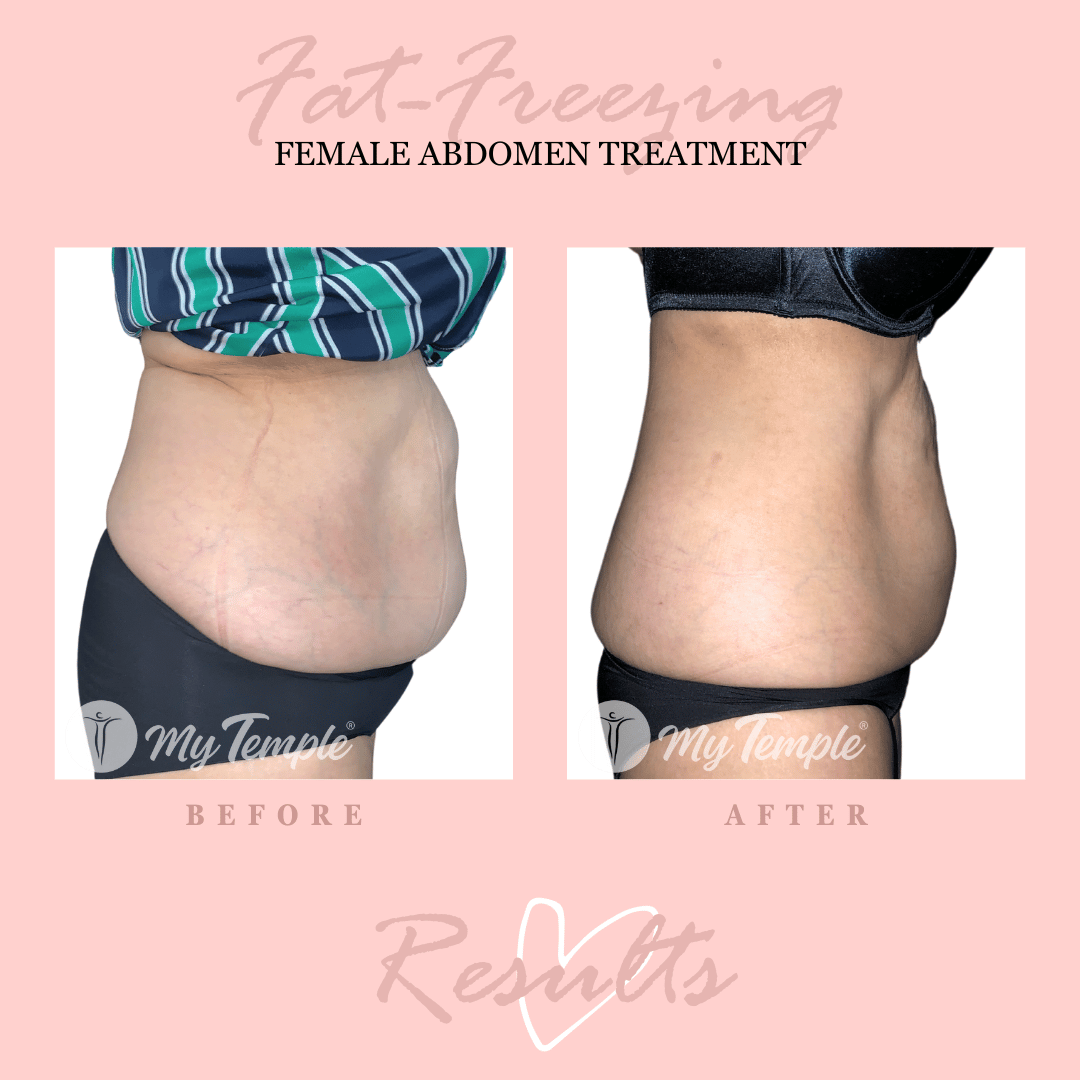
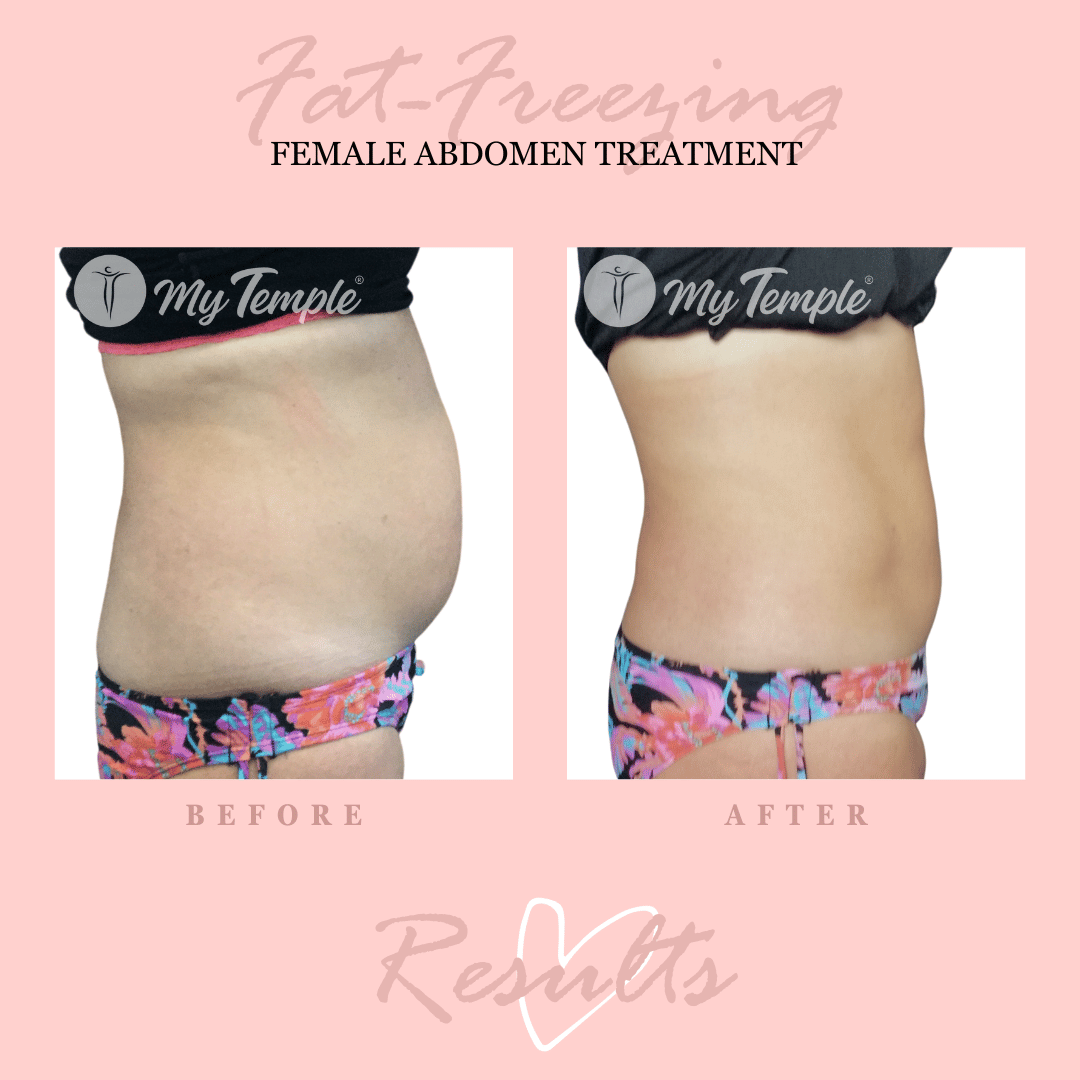
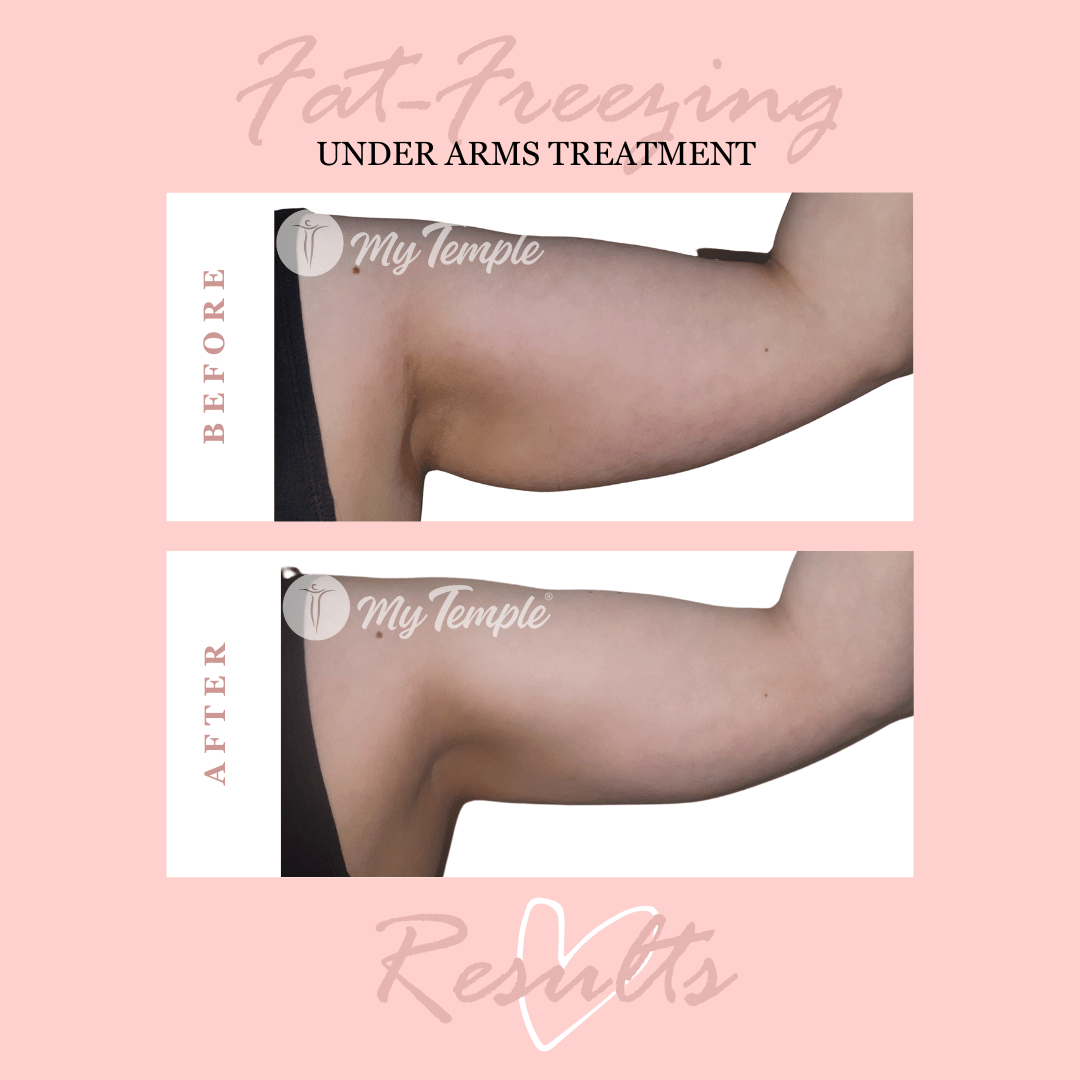
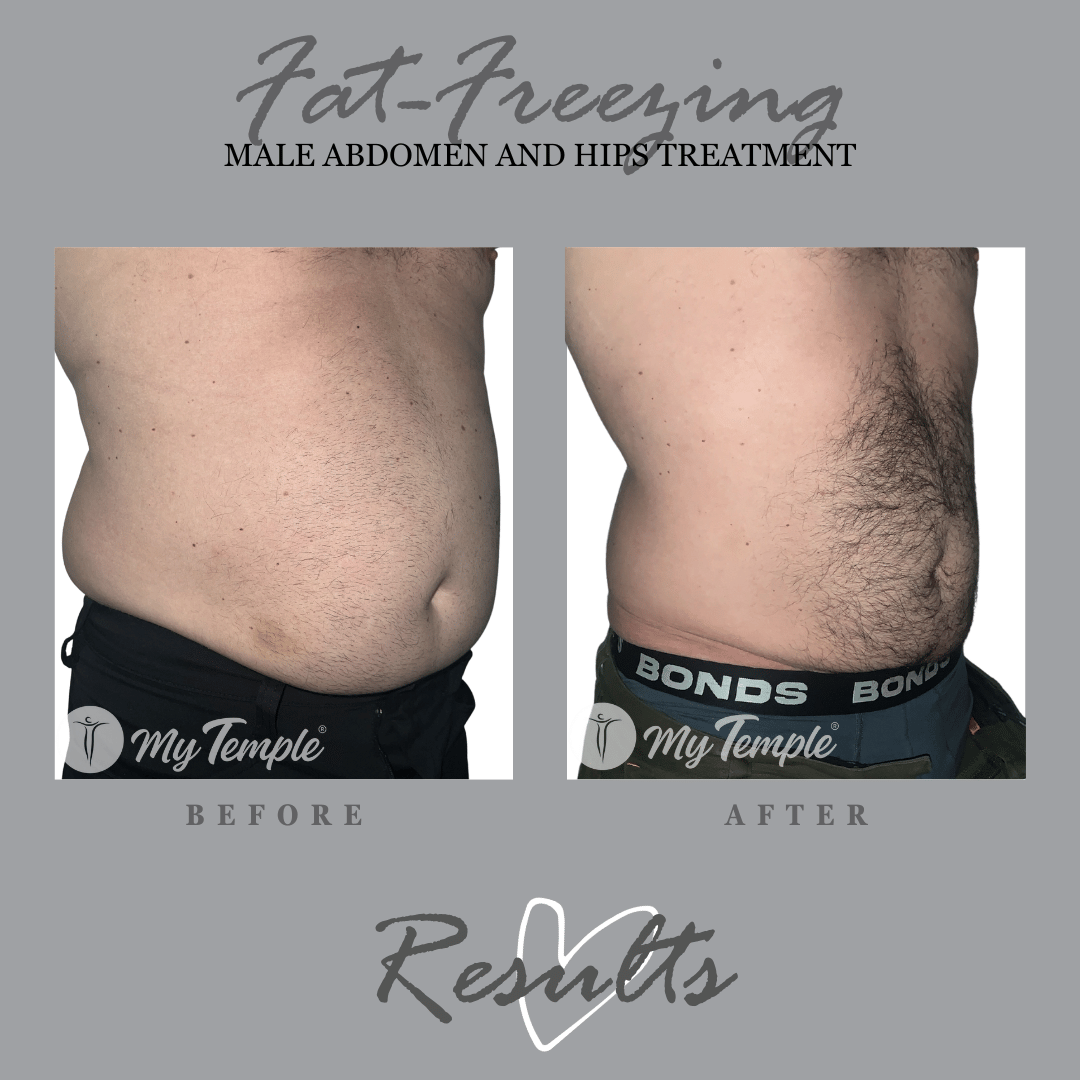
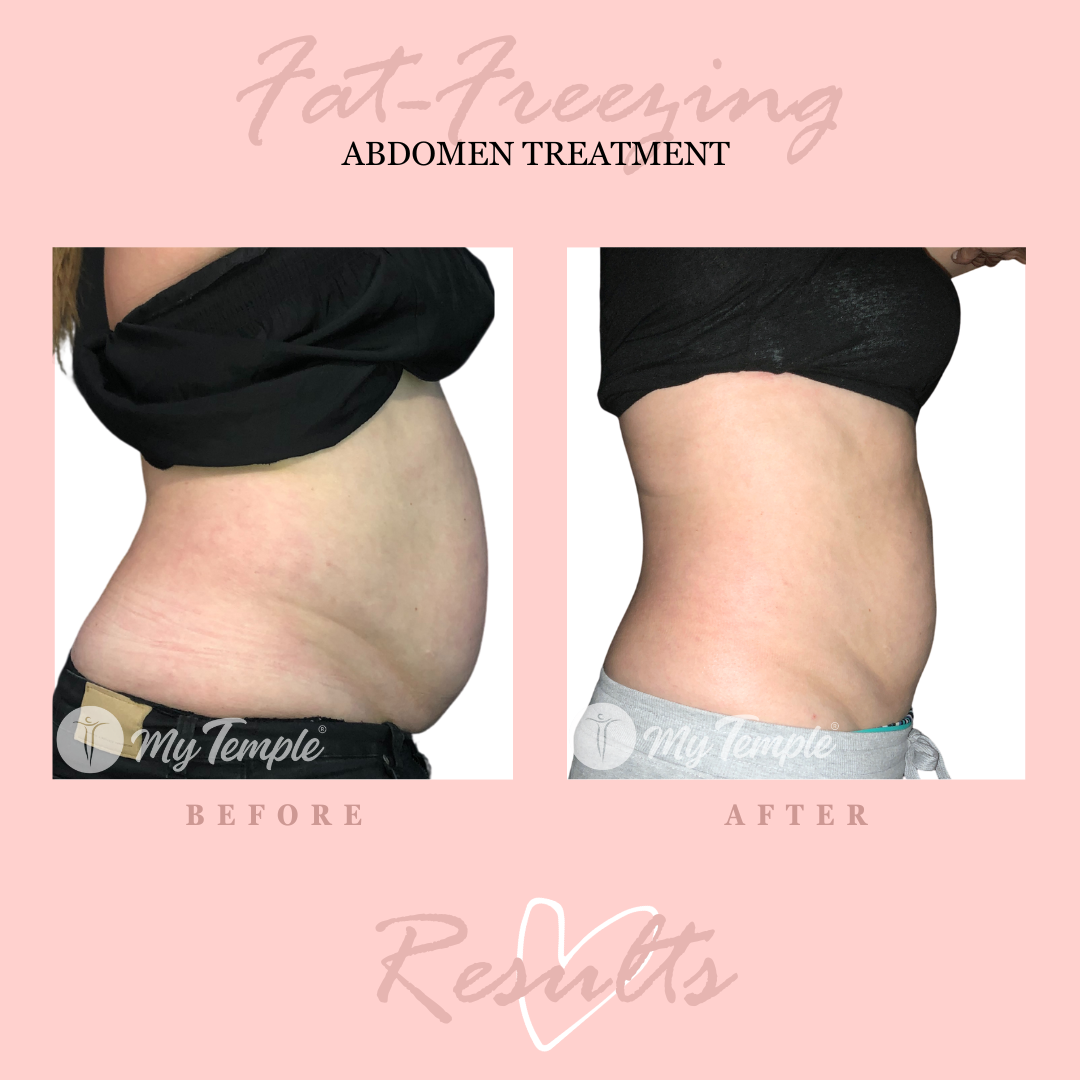
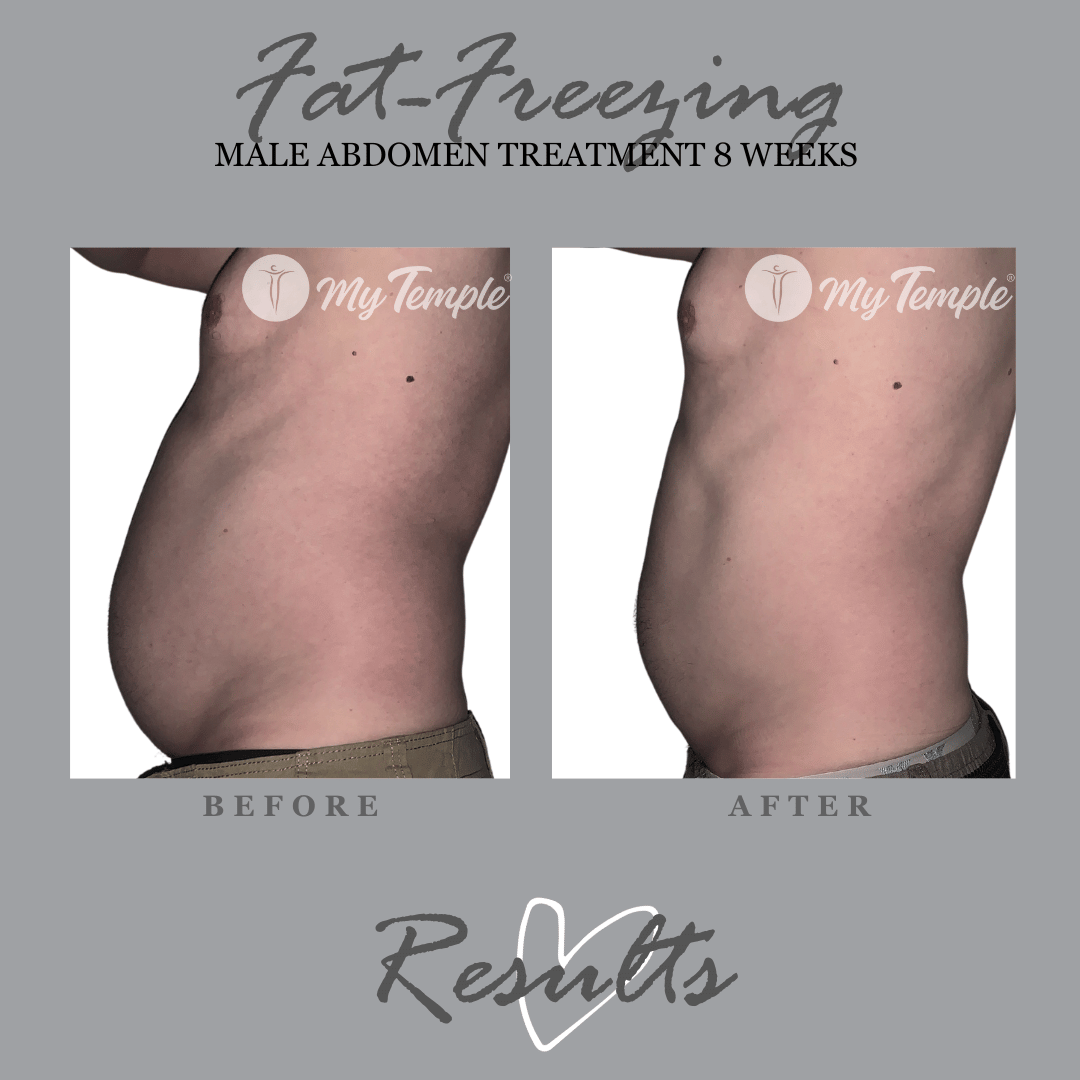
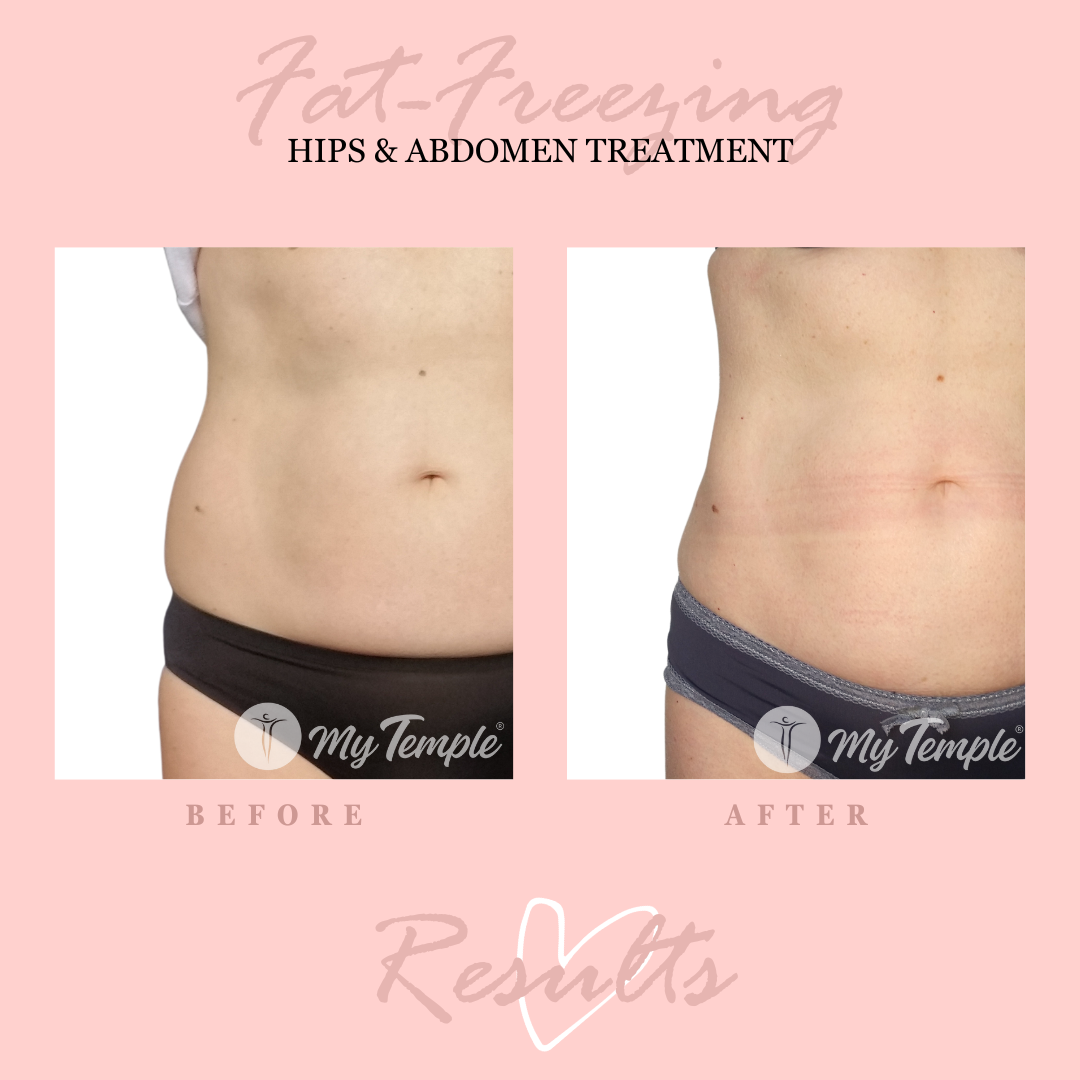
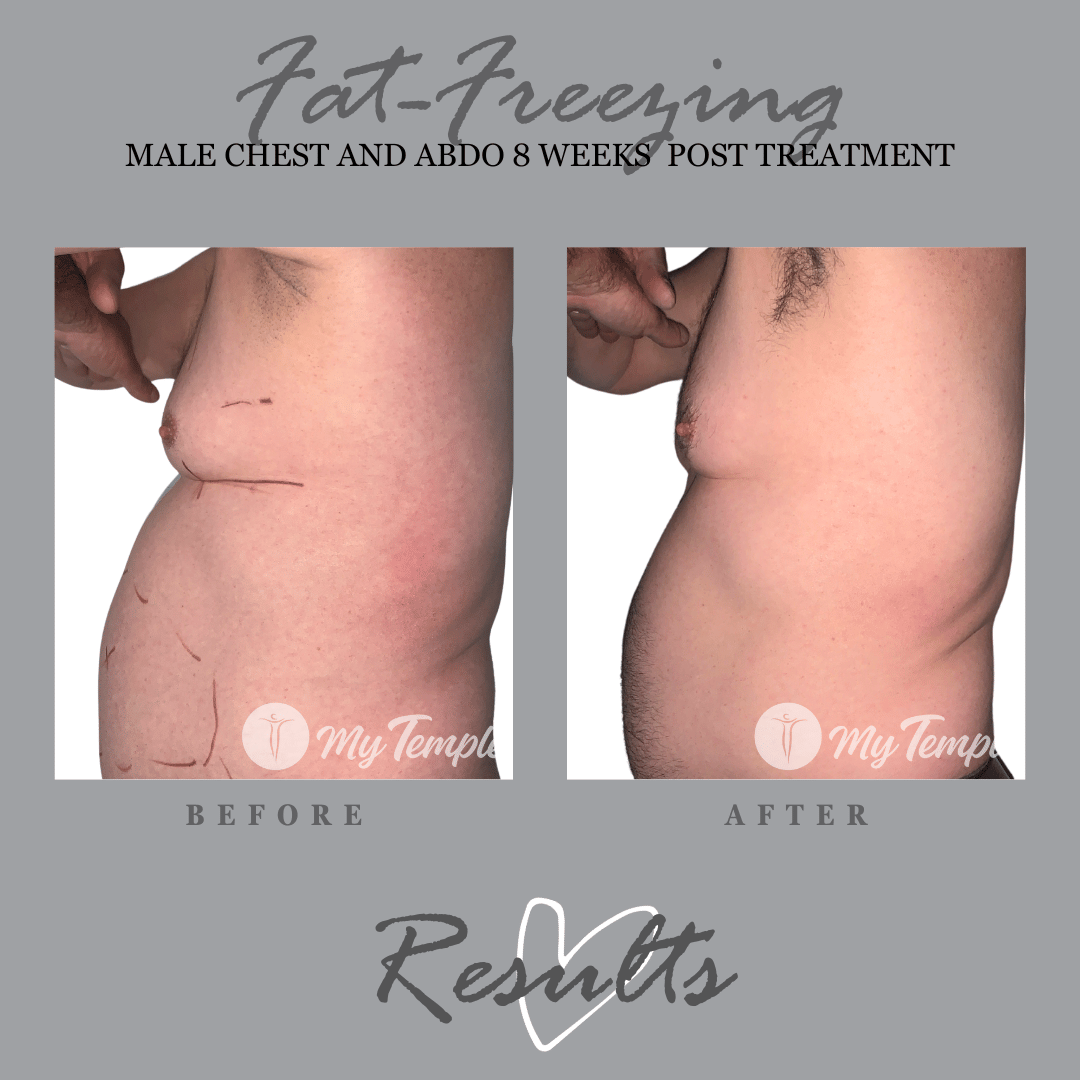
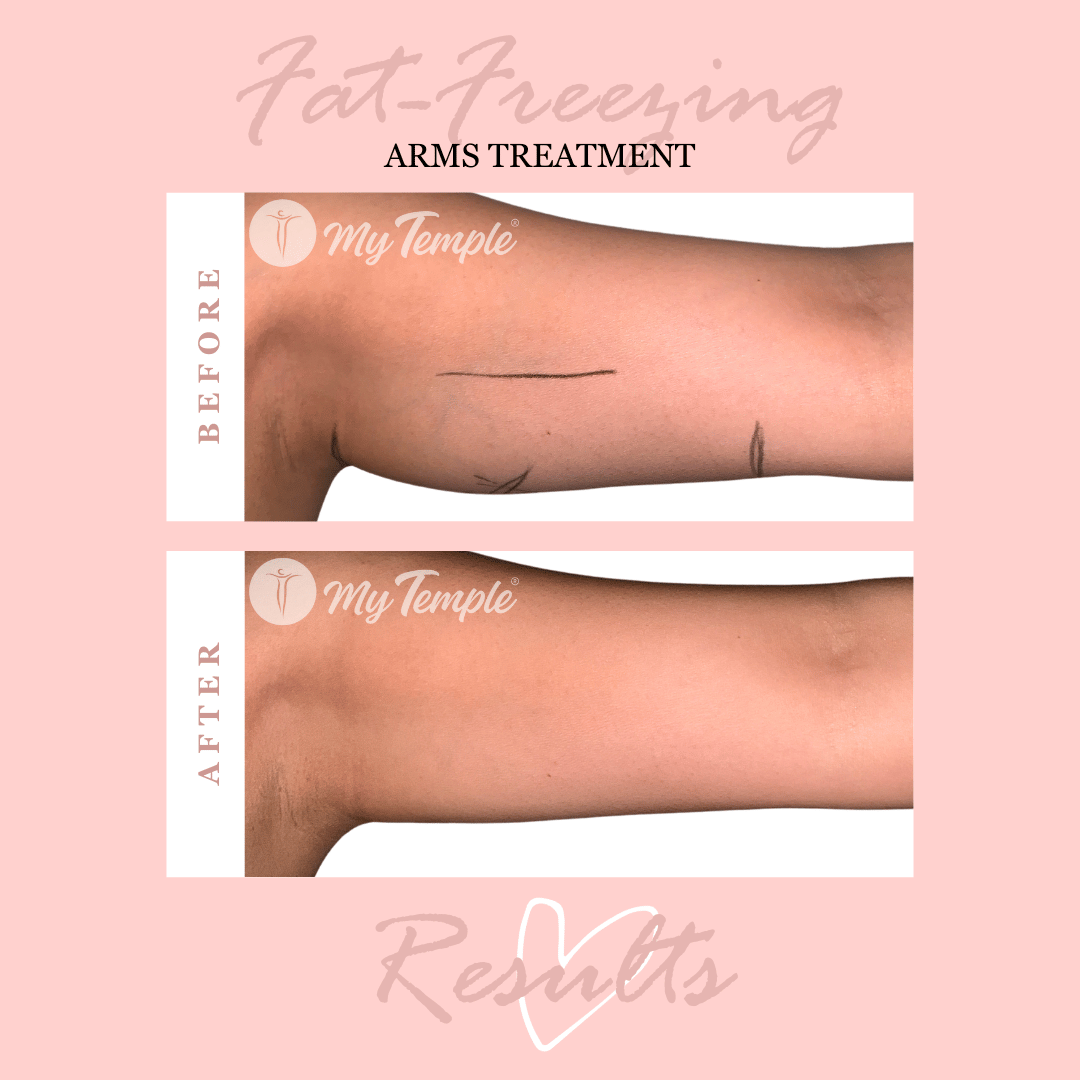
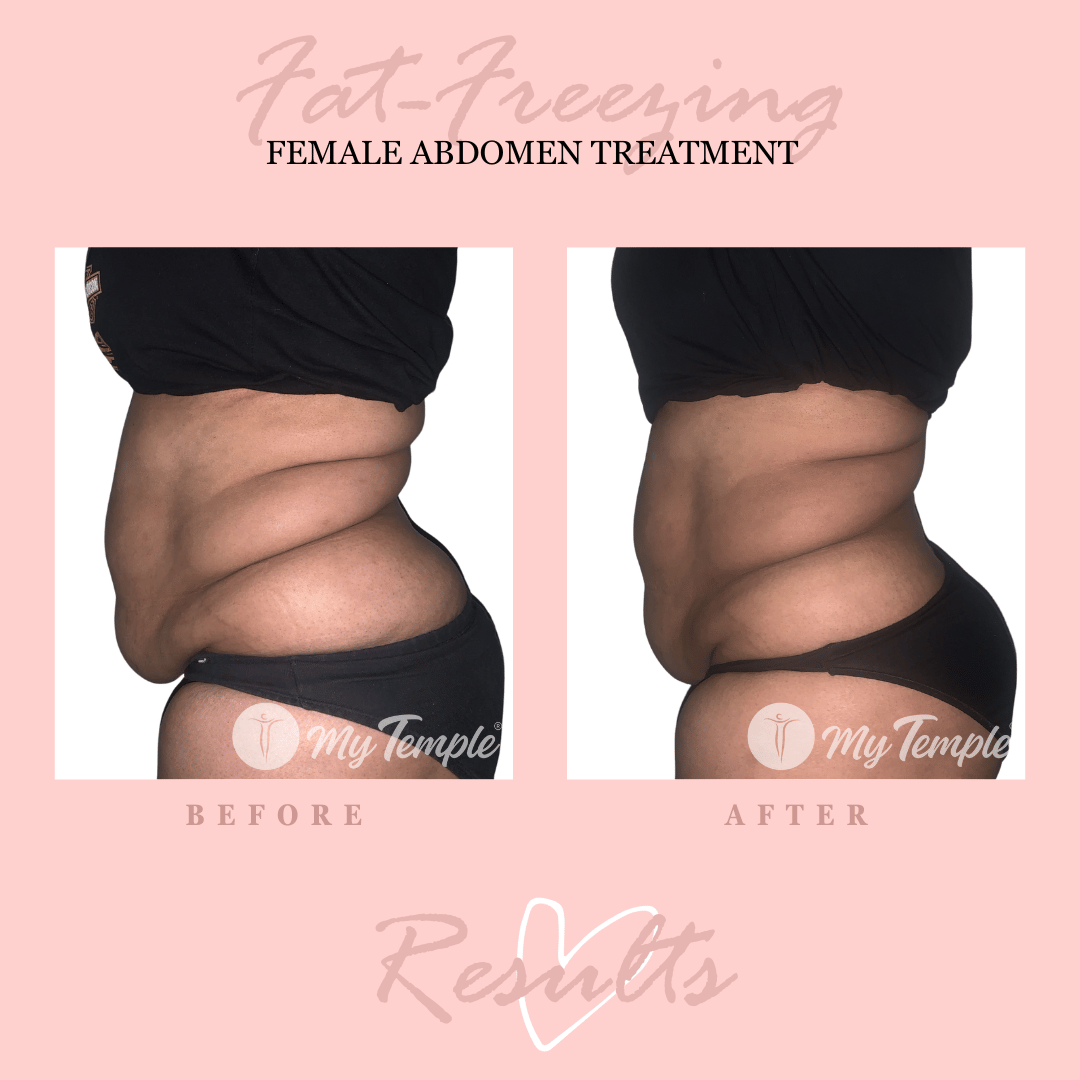
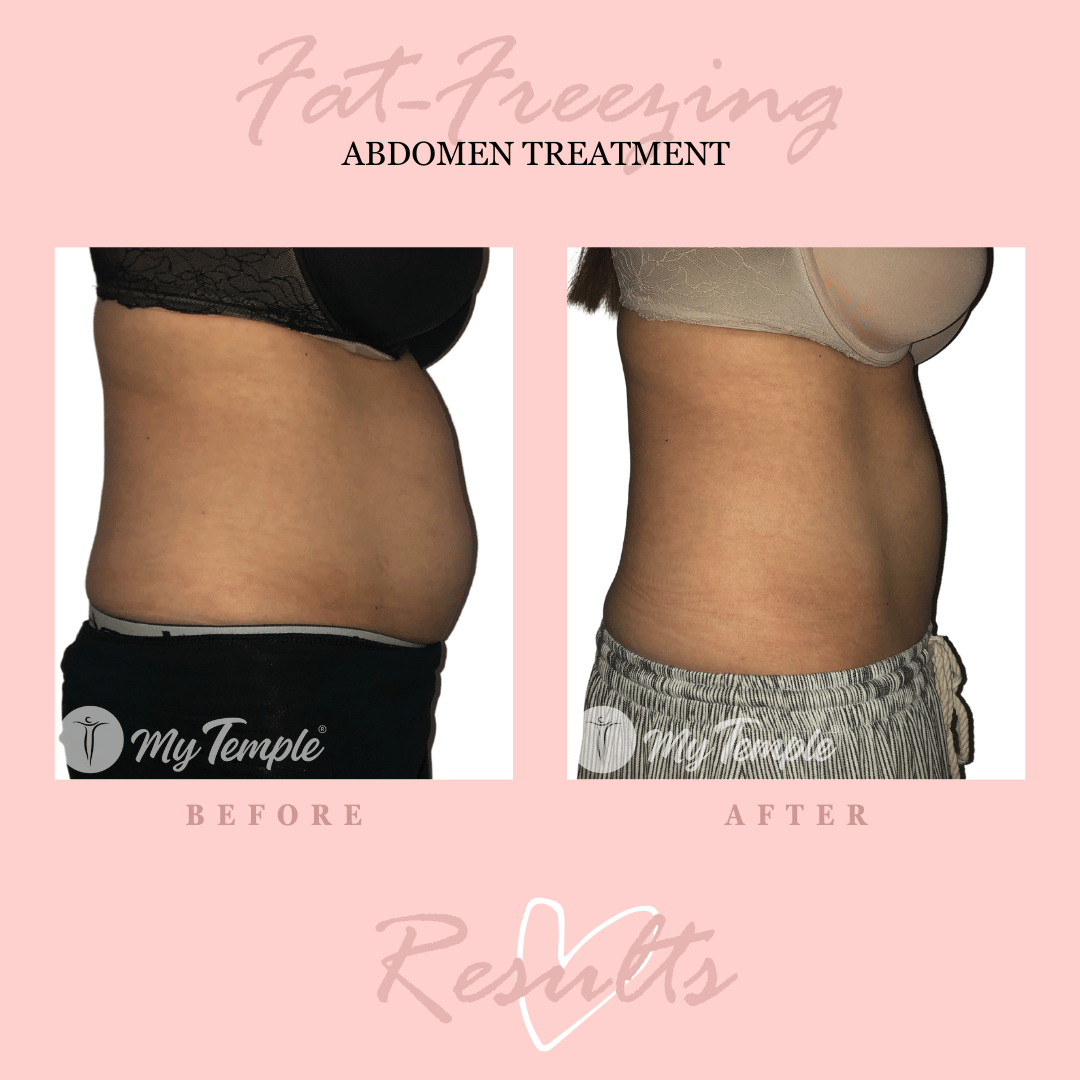
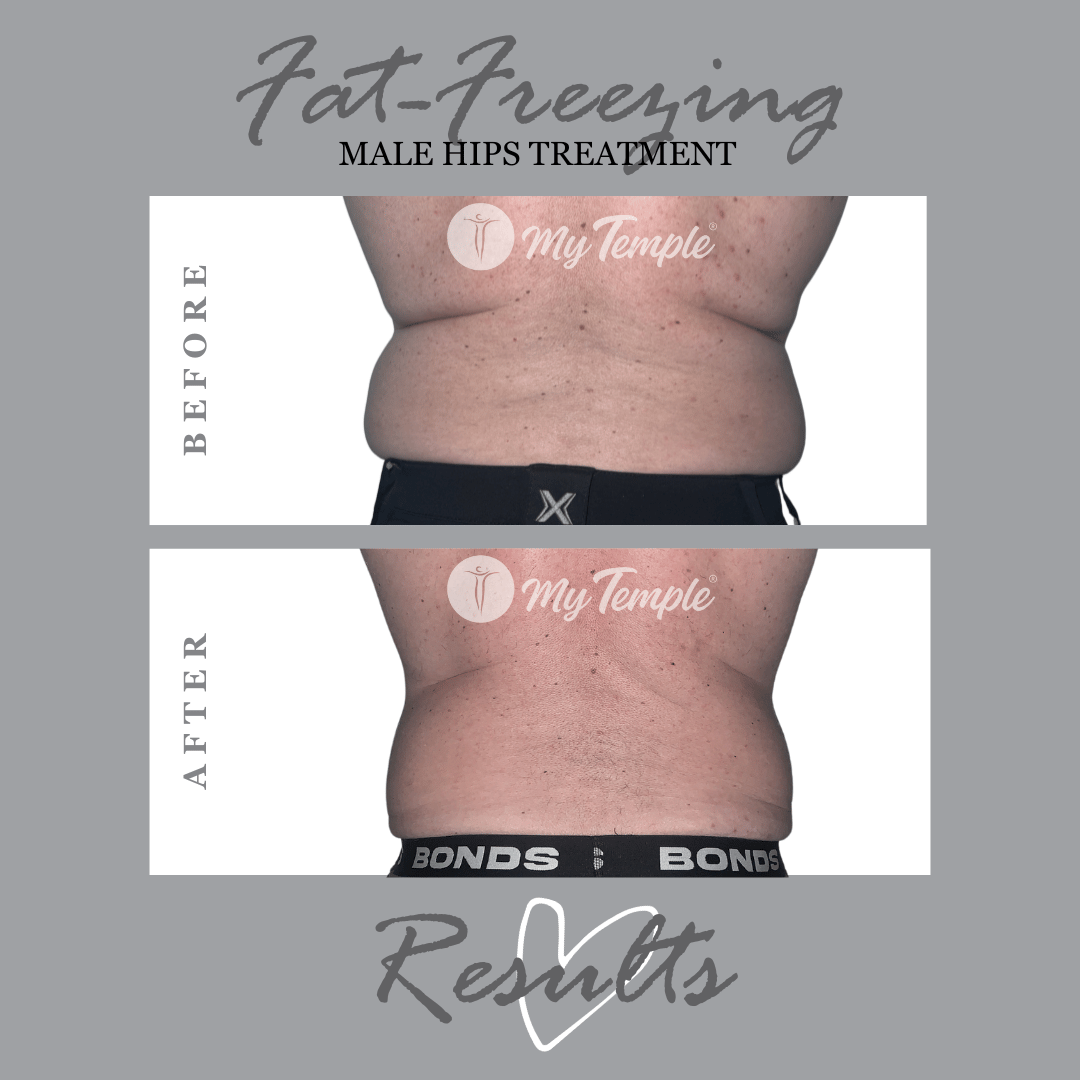
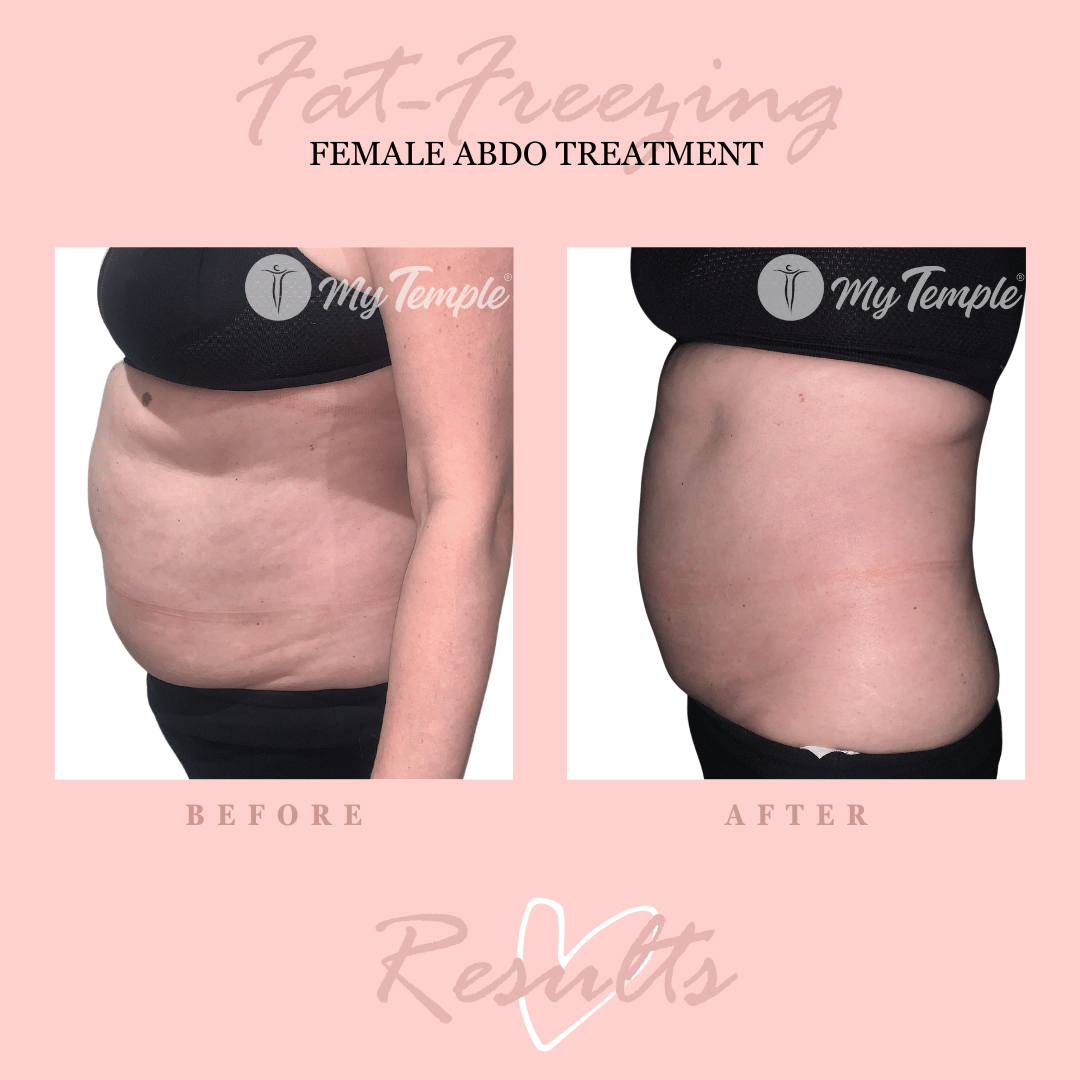
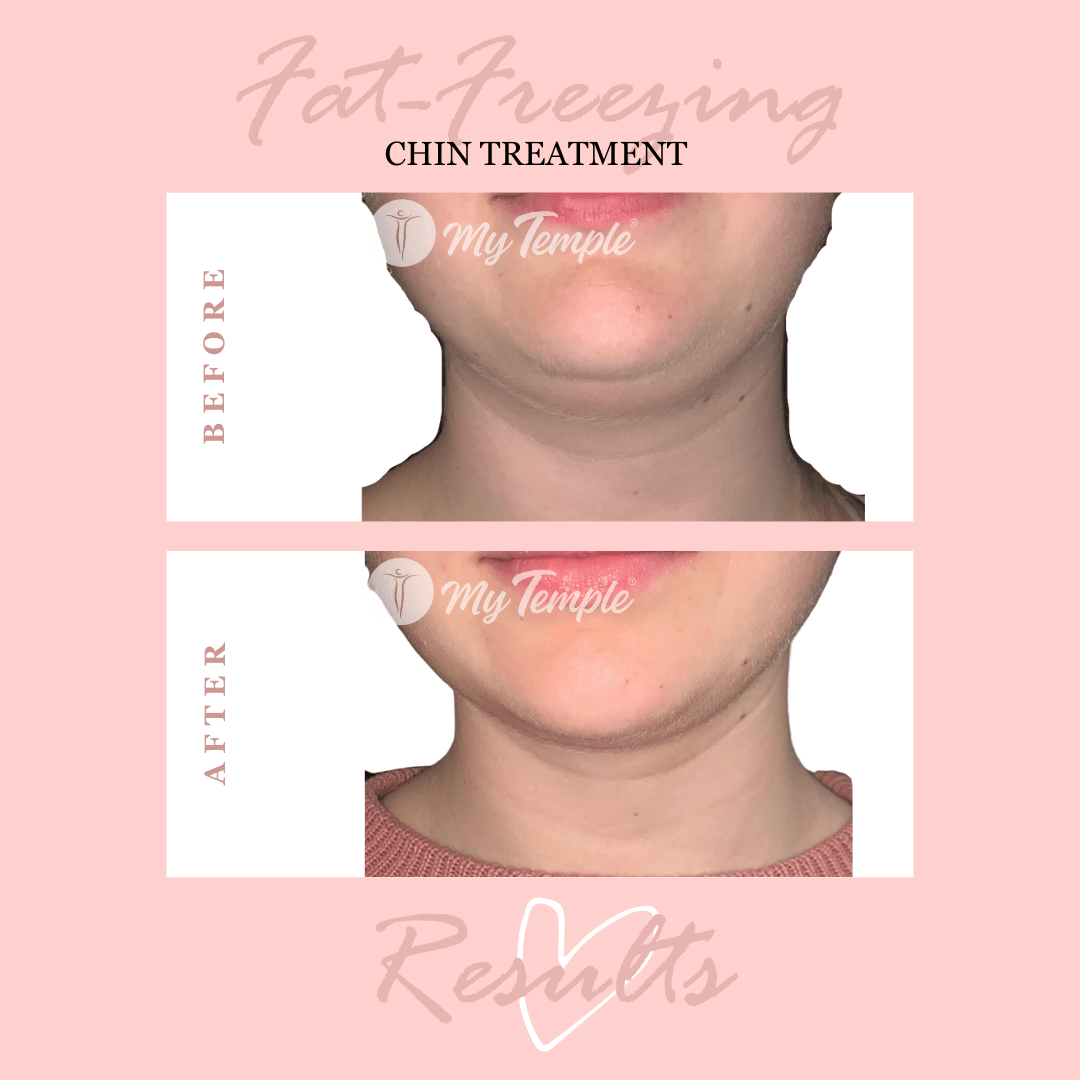
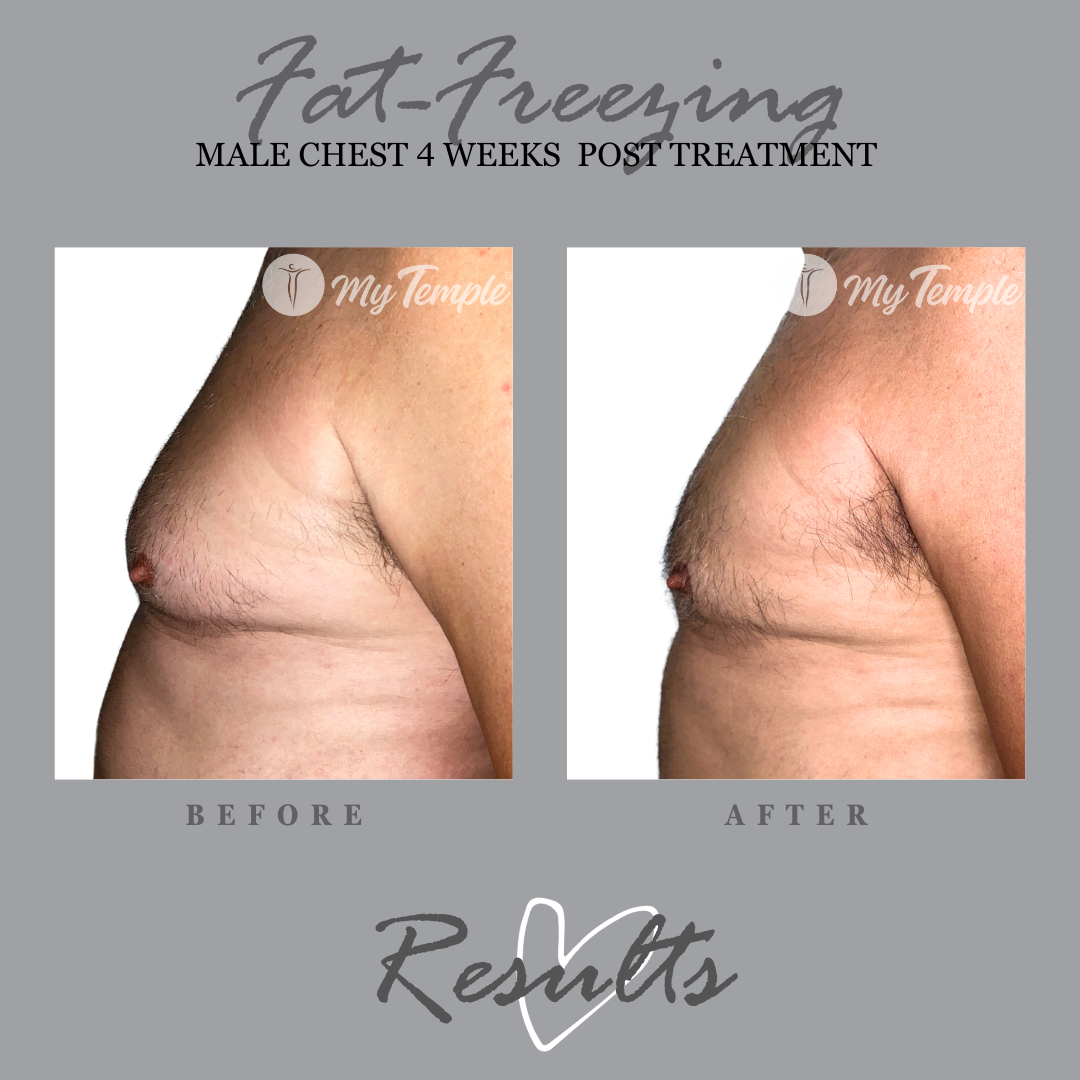
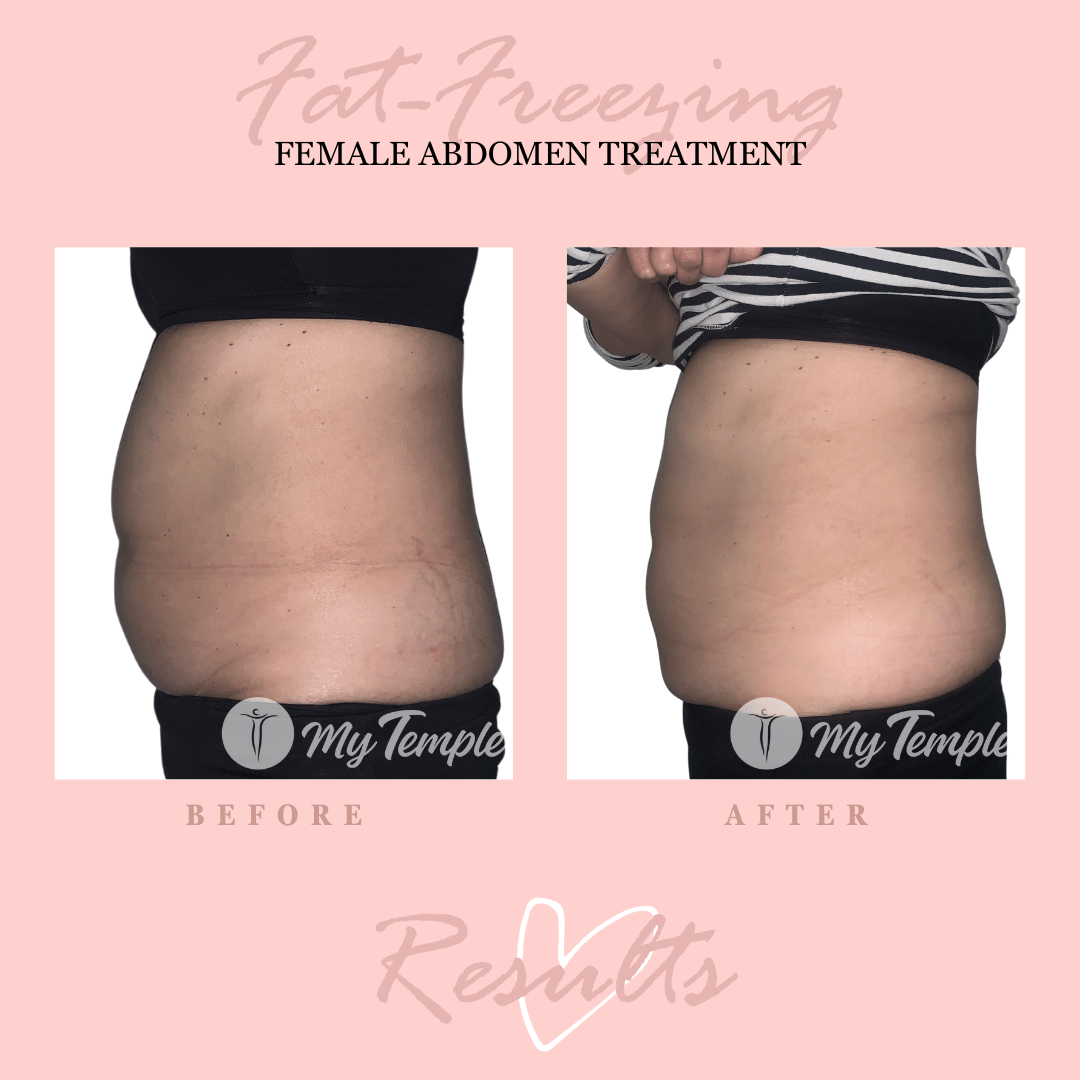
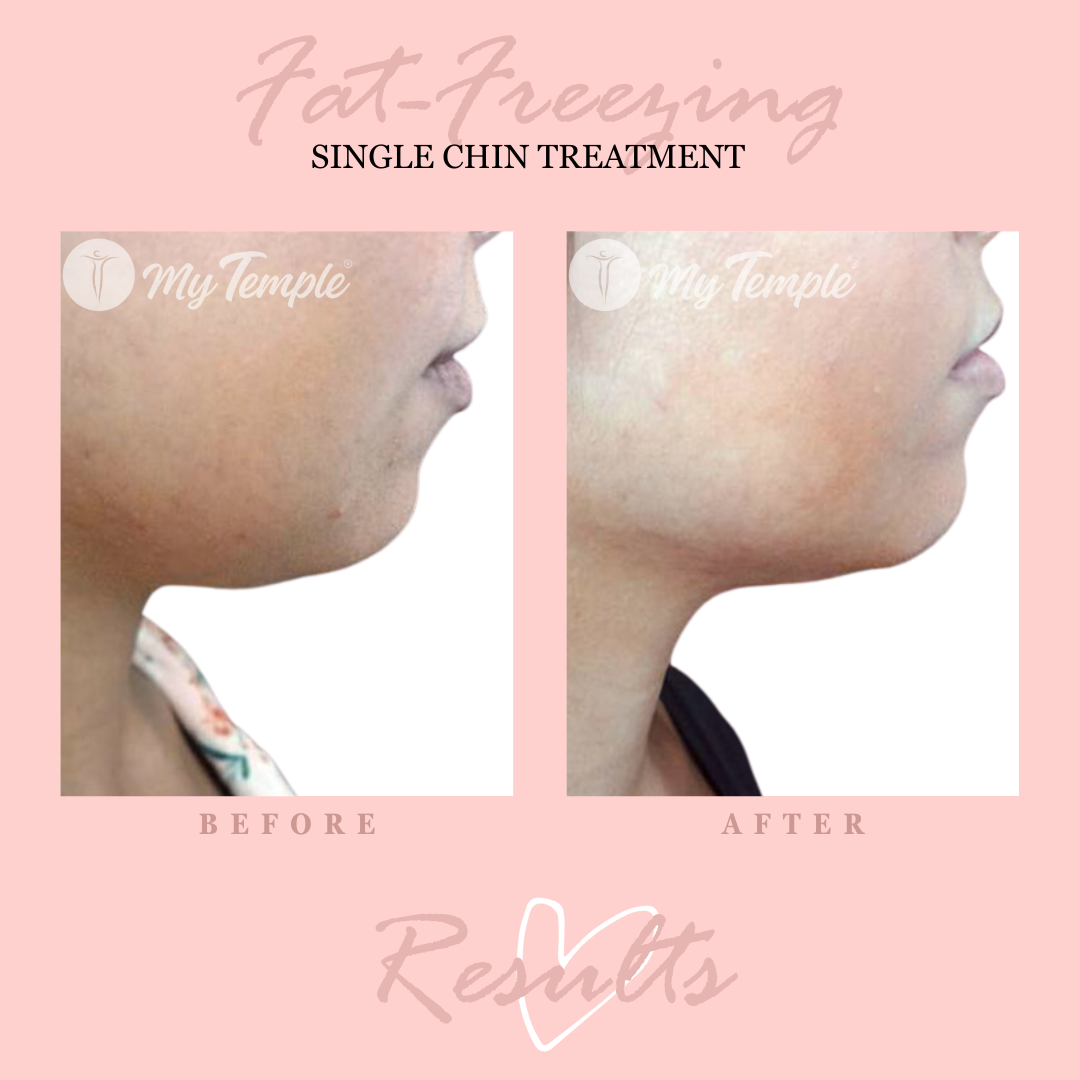
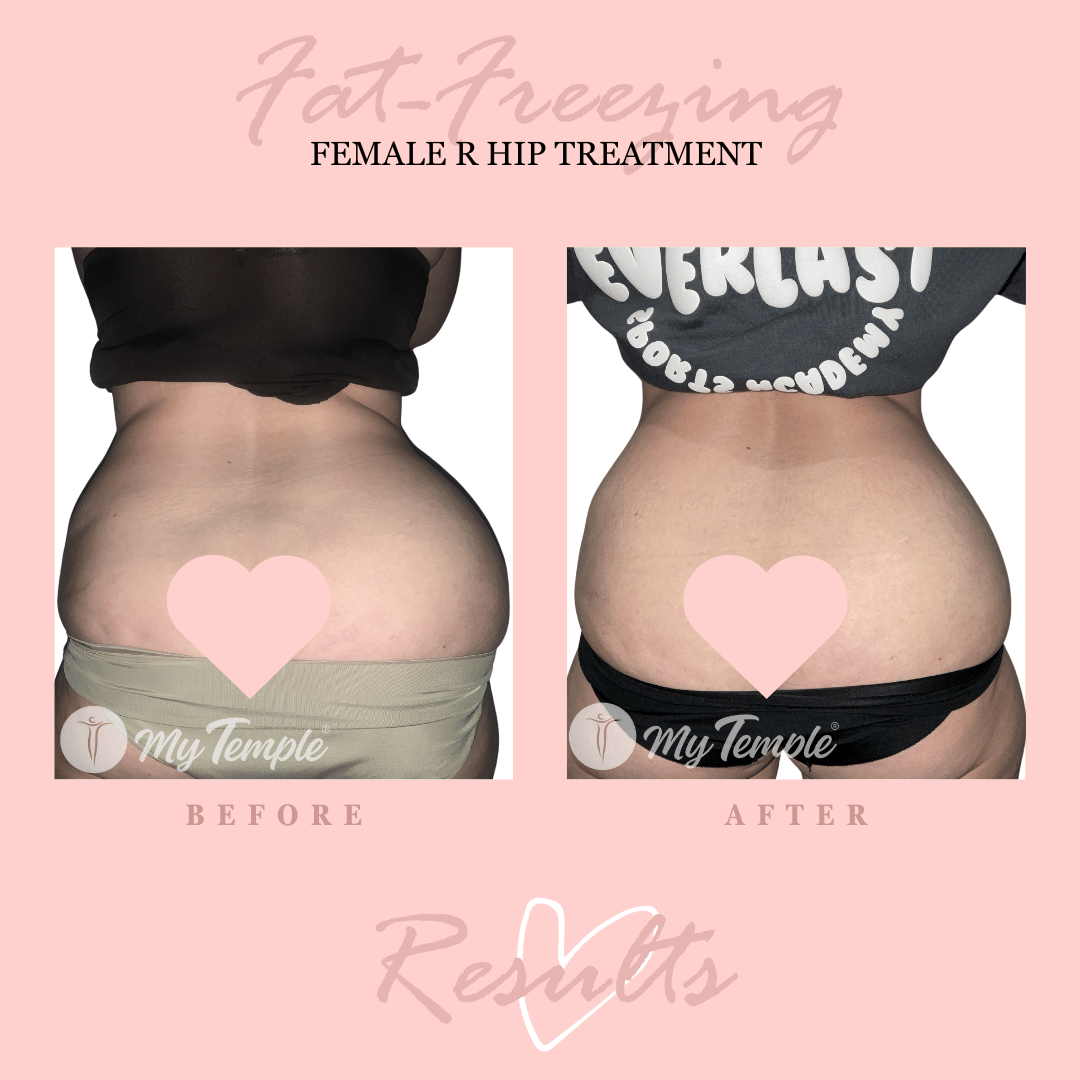
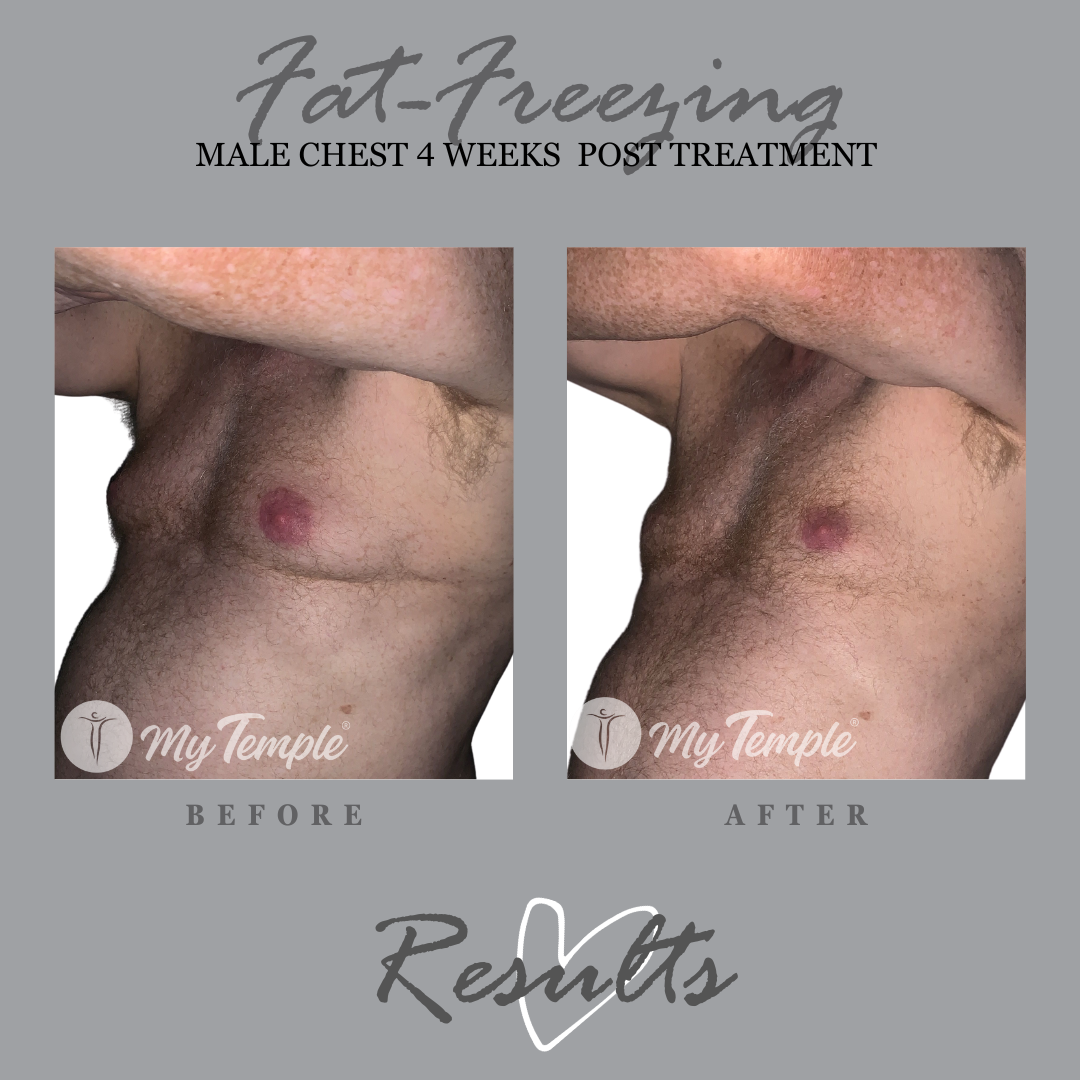
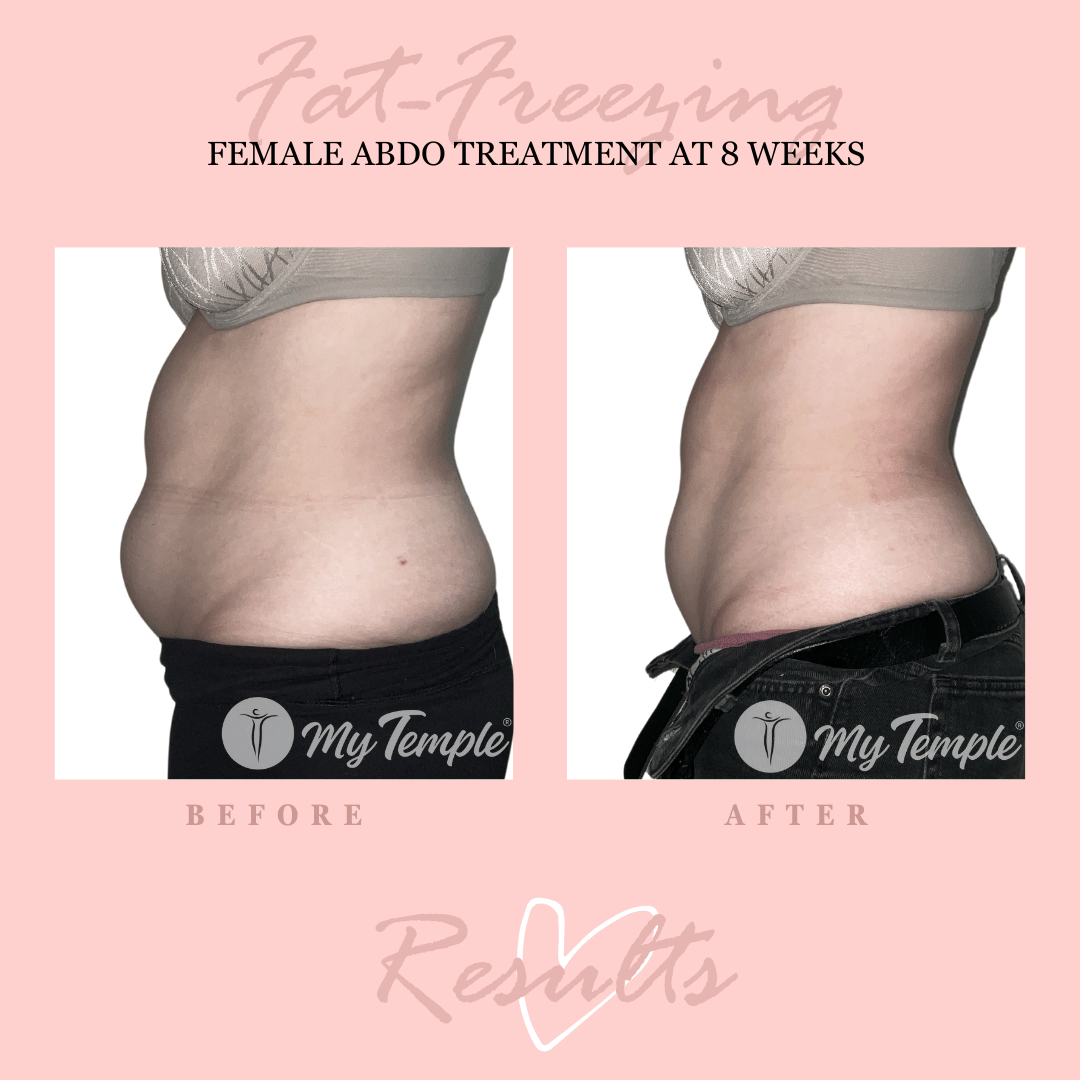
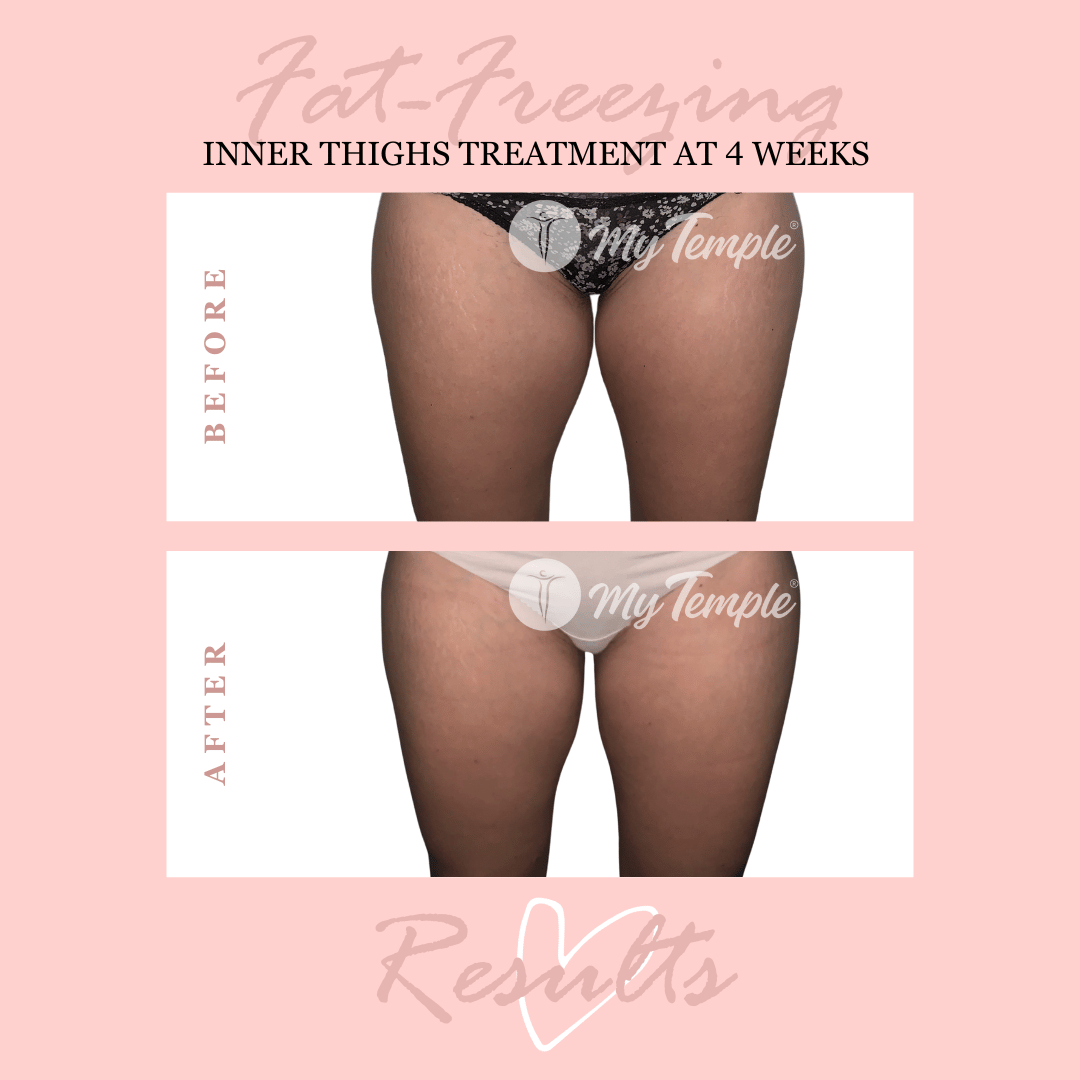
RESULTS







MORE INFORMATION:
-

Quiz: Fat Freezing Suitability
Find out if Fat Freezing is the best option for your body with our quick and easy quiz: Am I suitable for Fat Freezing?
-

Ebook: Trimming the Fat: an essential guide to the top 15 weight loss interventions
Get a copy of our ebook ‘Trimming the Fat: an essential guide to the top 15 weight loss interventions’ for a detailed breakdown of each method's pros and cons.

BOOK A CONSULTATION TO SEE WHAT IS RIGHT FOR YOU.
45-minute in-depth consultation with one of our professional team members, where you will be provided with a personal bioimpedance body scan for deeper insight and better understanding of your body.