

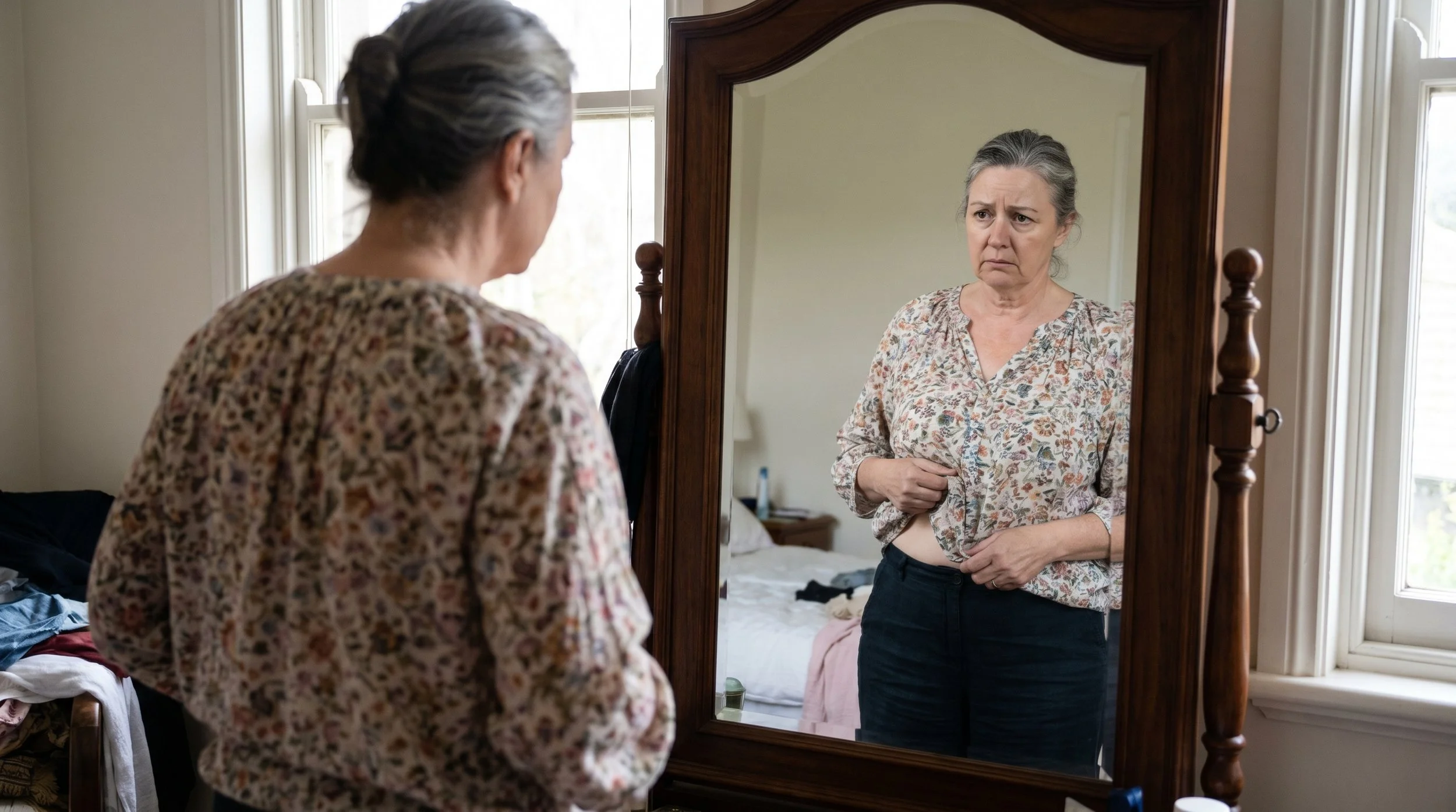
FAT FREEZING VS MENOPAUSE
Why Your Body Changes During Menopause And What You Can Do About It
Understanding the relationship between menopause, hormonal changes, muscle loss, metabolism, and stubborn fat. Learn how fat freezing may help reduce localised pockets of fat that often become more noticeable during perimenopause and menopause.

KEY TAKEAWAYS
Menopause can contribute to changes in body composition, including increased abdominal fat and reduced muscle mass.
Perimenopause often begins years before menopause is officially diagnosed.
Fat freezing does not treat menopause, but will reduce stubborn pockets of subcutaneous fat so that your body returns to its former glory.
Protecting muscle mass and supporting metabolism become increasingly important during menopause.
Every woman experiences menopause differently, however significant gain in belly fat is a common complaint and fat freezing is a safe, permanent and convenient solution.
INTRODUCTION
MENOPAUSE CHANGES YOUR BODY. THAT DOESN'T MEAN YOU HAVE TO ACCEPT STUBBORN FAT.
Many women tell us, "I've always carried my weight differently." or "Everything seems to go straight to my belly now." If this sounds familiar, you're not alone.
As hormone levels shift during perimenopause and menopause, many women experience changes in body composition, including increased fat storage around the abdomen and waistline. While healthy eating and exercise remain important, some areas of fat become increasingly resistant to traditional approaches.
This is where fat freezing may help. Fat freezing is a non-invasive cosmetic procedure designed to target and eliminate fat in specific areas. By using controlled cooling, the procedure freezes and destroys fat cells, which are then naturally removed by the body over time.

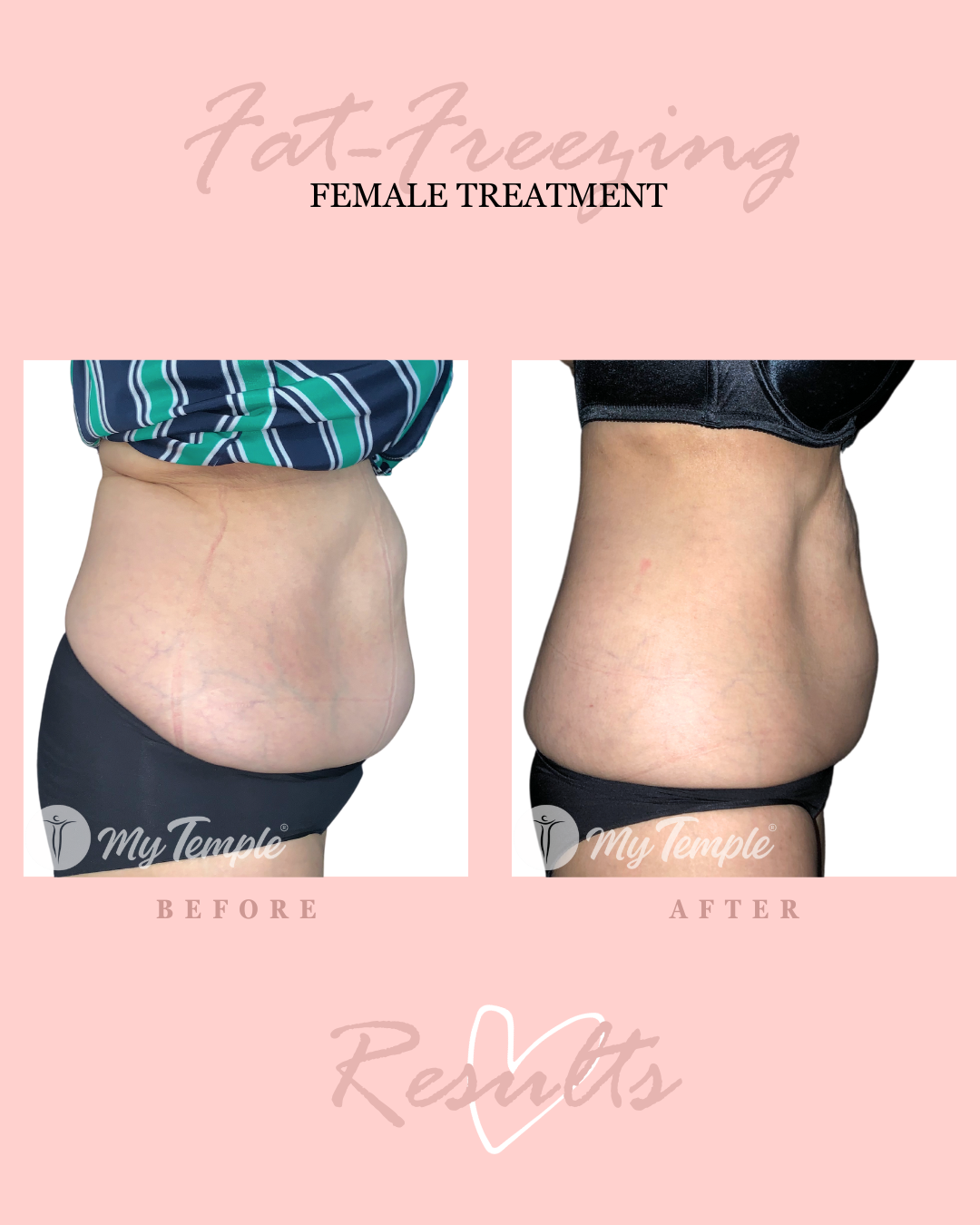

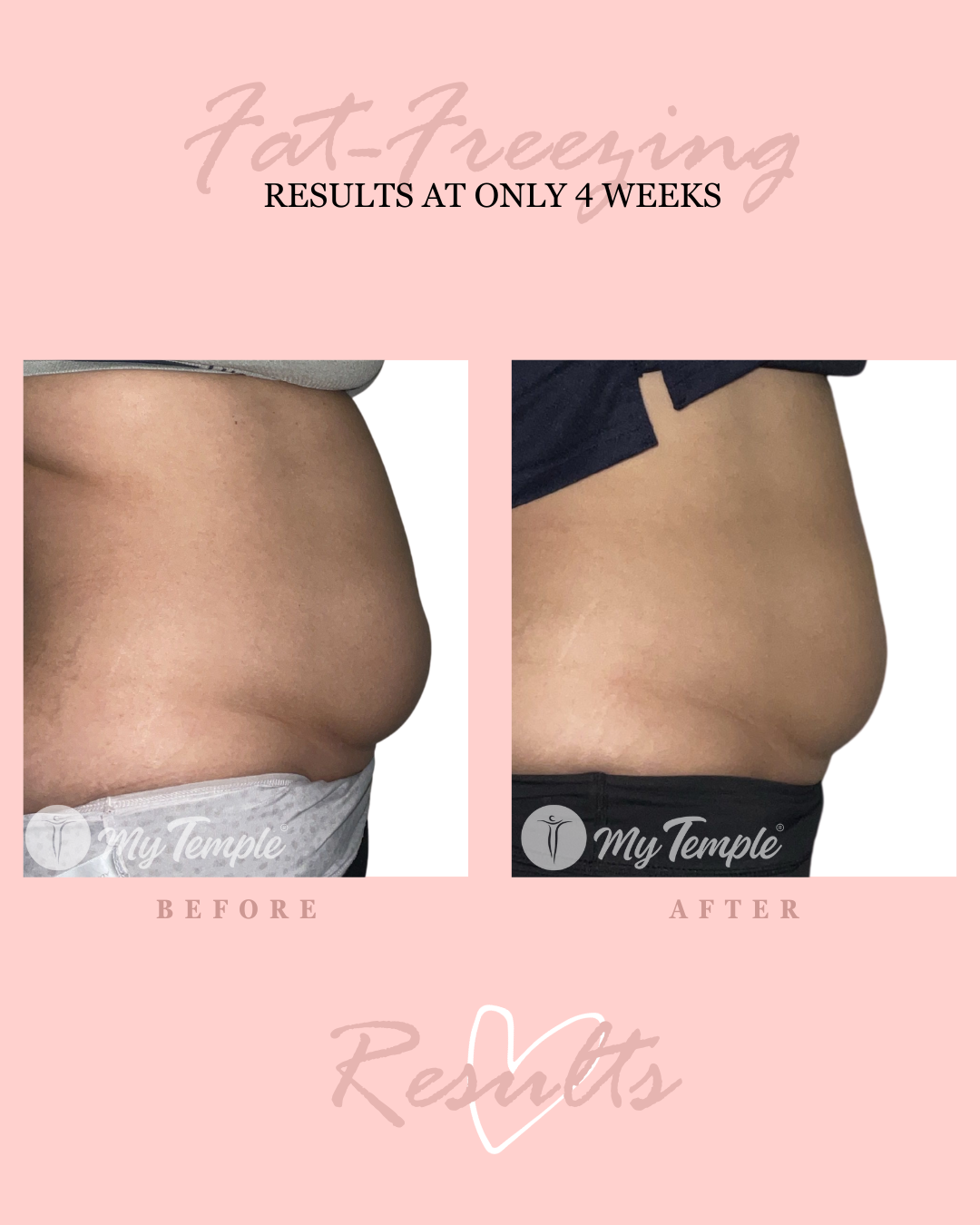
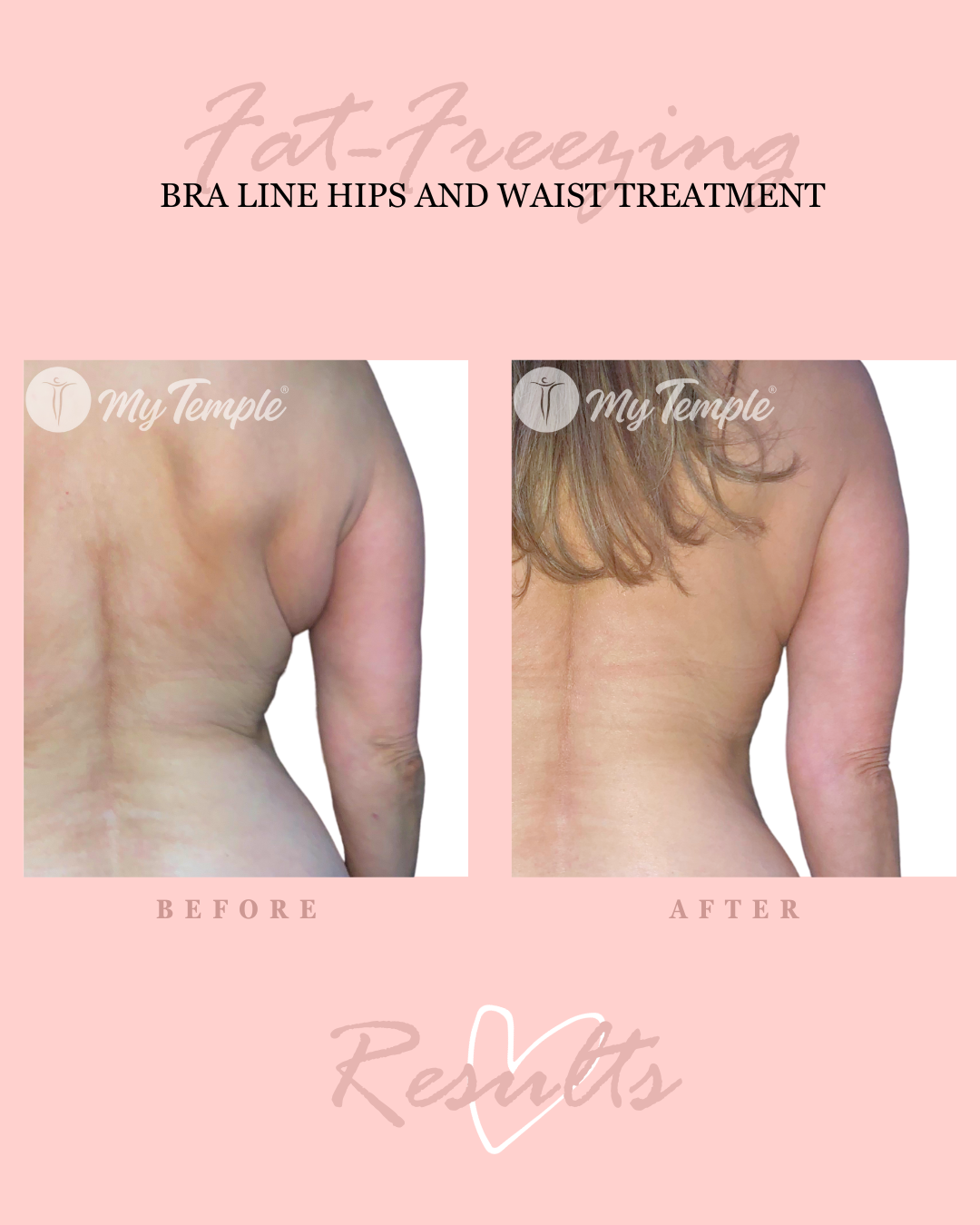
GLOBAL VS TARGETED FAT LOSS
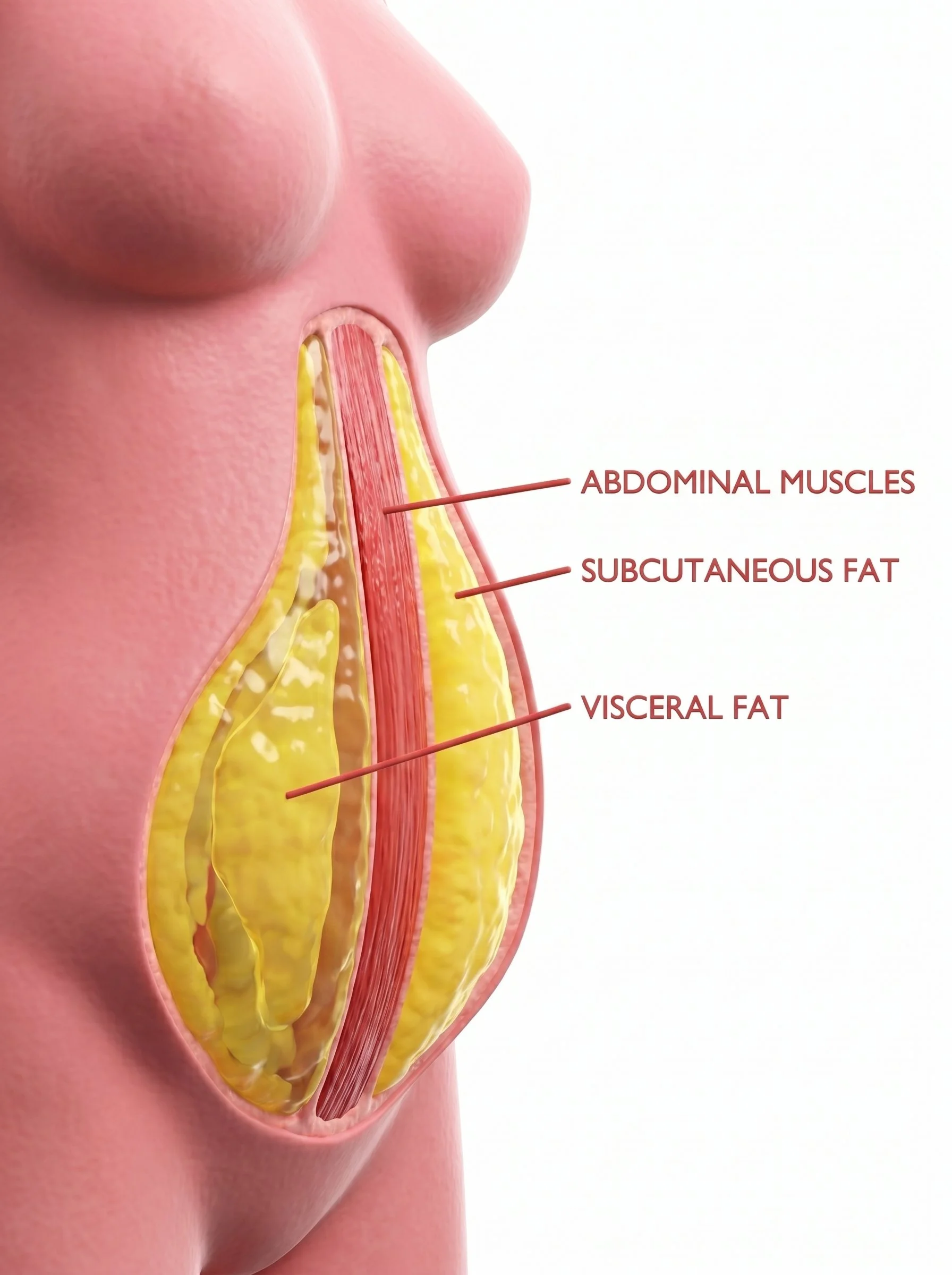
To understand why many women struggle with stubborn fat during menopause, it is important to understand the different types of fat stored in the body. Fat is generally stored as either subcutaneous fat or visceral fat.
Subcutaneous fat sits directly beneath the skin and is commonly found around the abdomen, hips, thighs, bra line, and love handles. This is the fat you can pinch with your fingers. Visceral fat sits deeper within the abdomen, surrounding internal organs and underneath the abdominal muscles. This type of fat is associated with metabolic and cardiovascular health risks.
For more information, check out our blog Subcutaneous vs Visceral Fat.
During perimenopause and menopause, hormonal changes can influence where the body stores fat. Many women notice an increase in abdominal fat, particularly around the waistline and lower abdomen. Reduced oestrogen levels, changes in metabolism, declining muscle mass, stress, and poor sleep can all contribute to these body composition changes.
While healthy eating and exercise remain important, many women find that certain areas of fat become increasingly resistant to traditional weight management strategies.
This is where understanding the difference between visceral and subcutaneous fat becomes important.
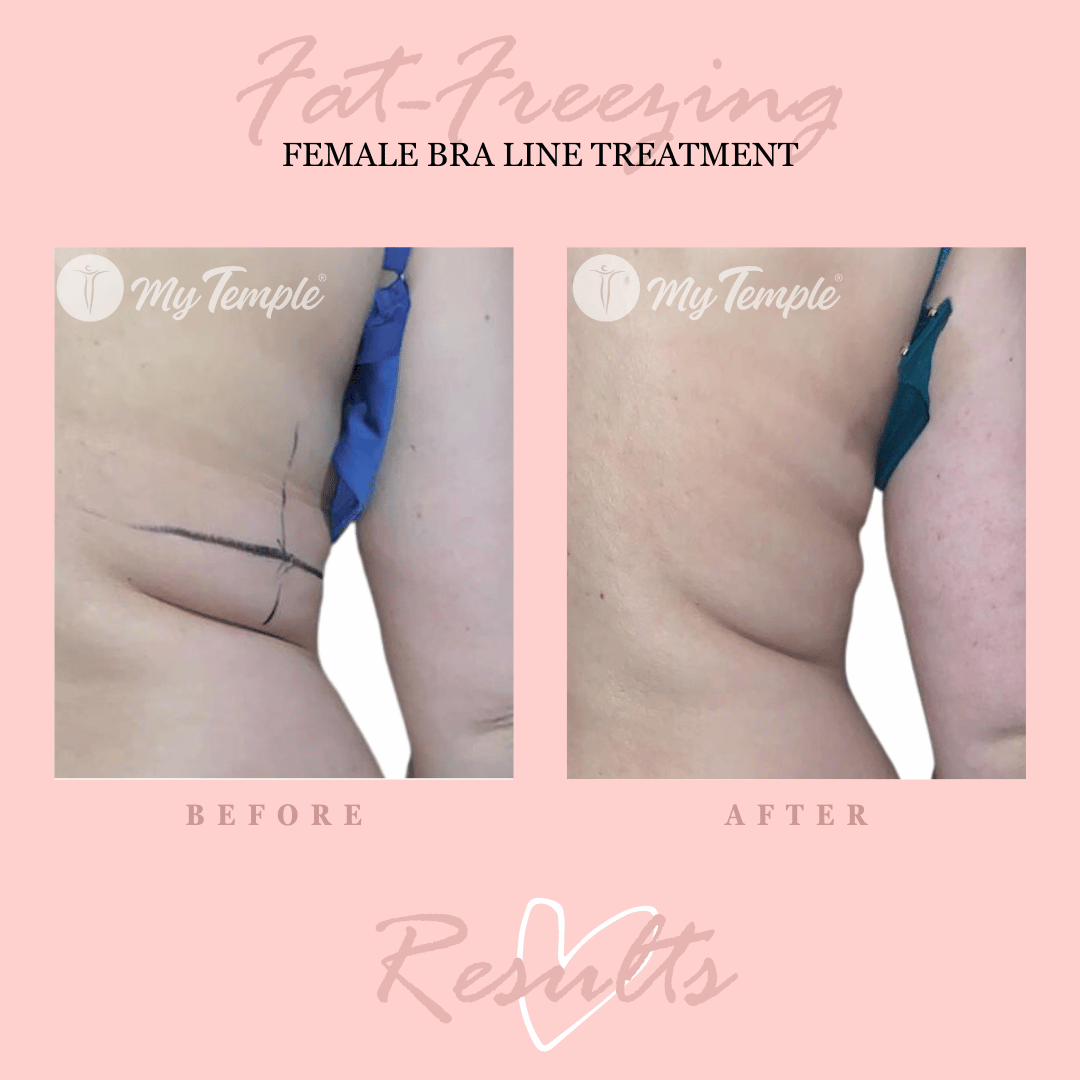
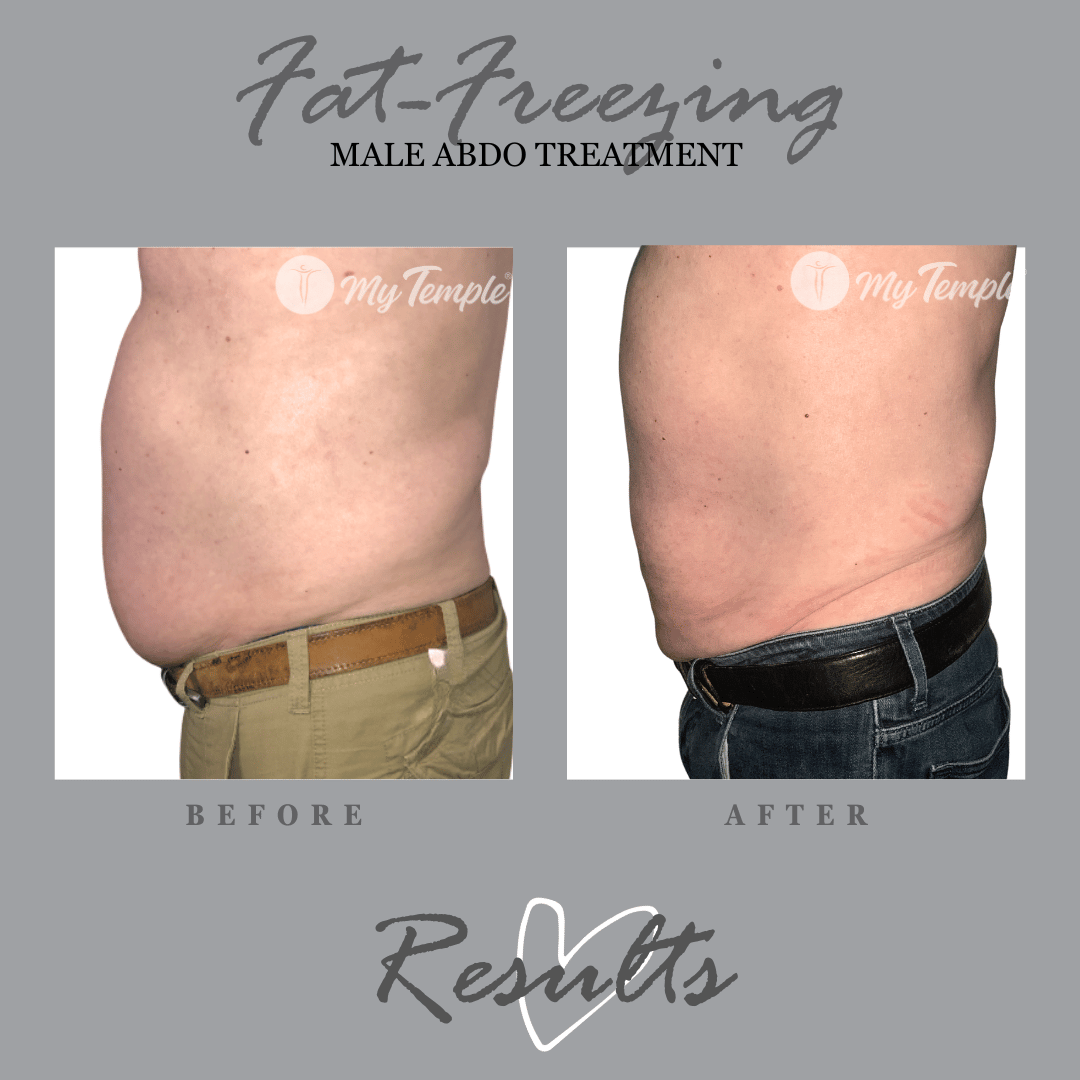
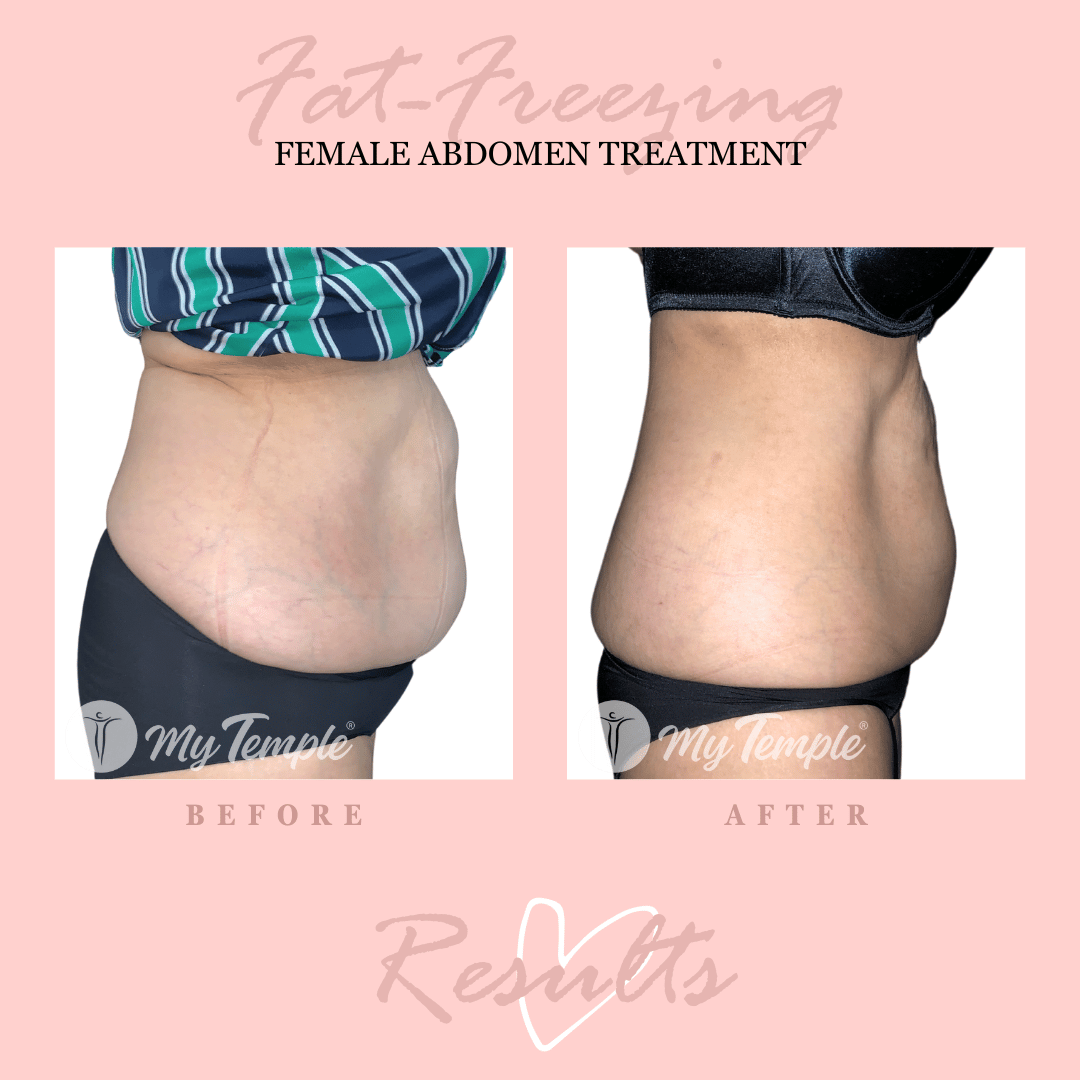
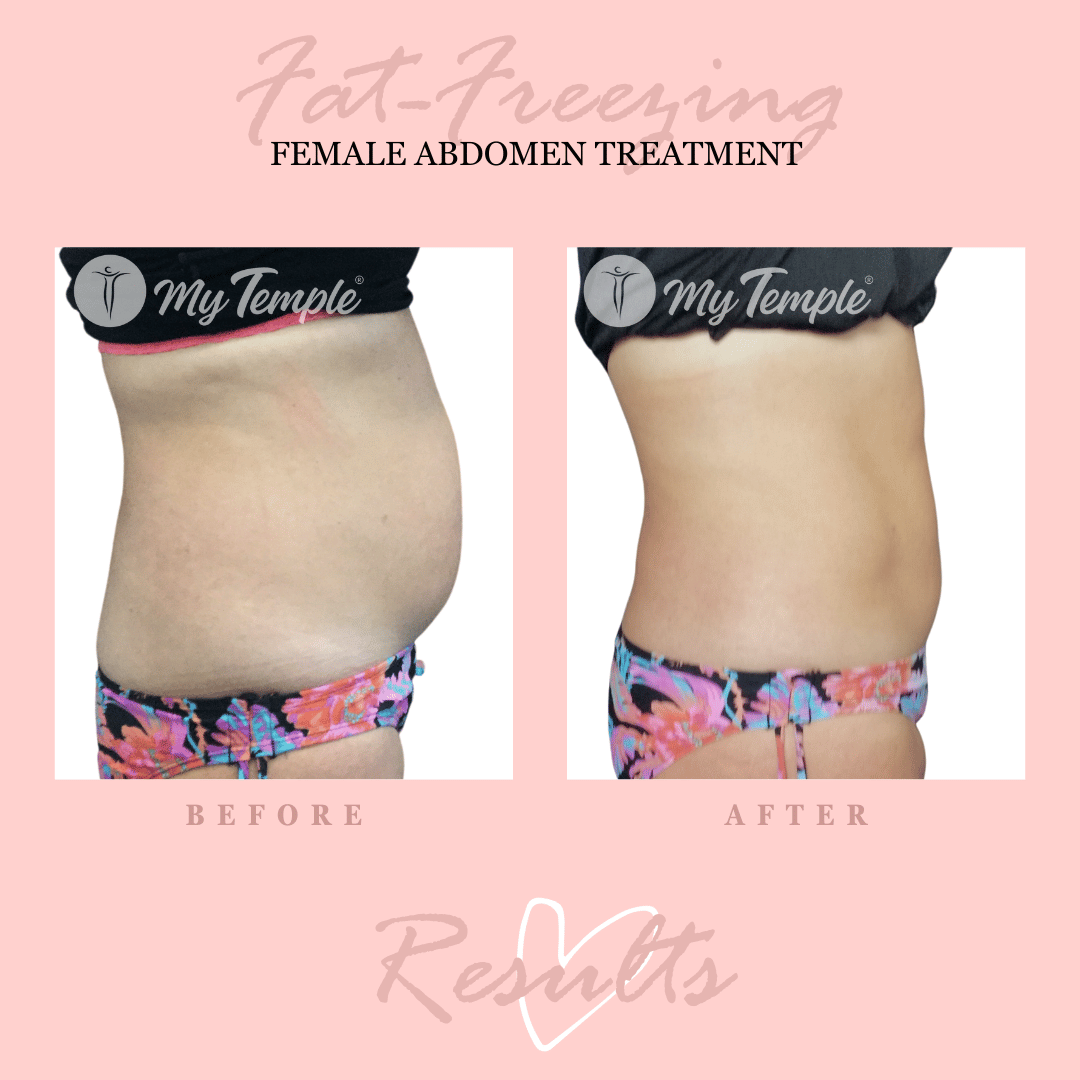
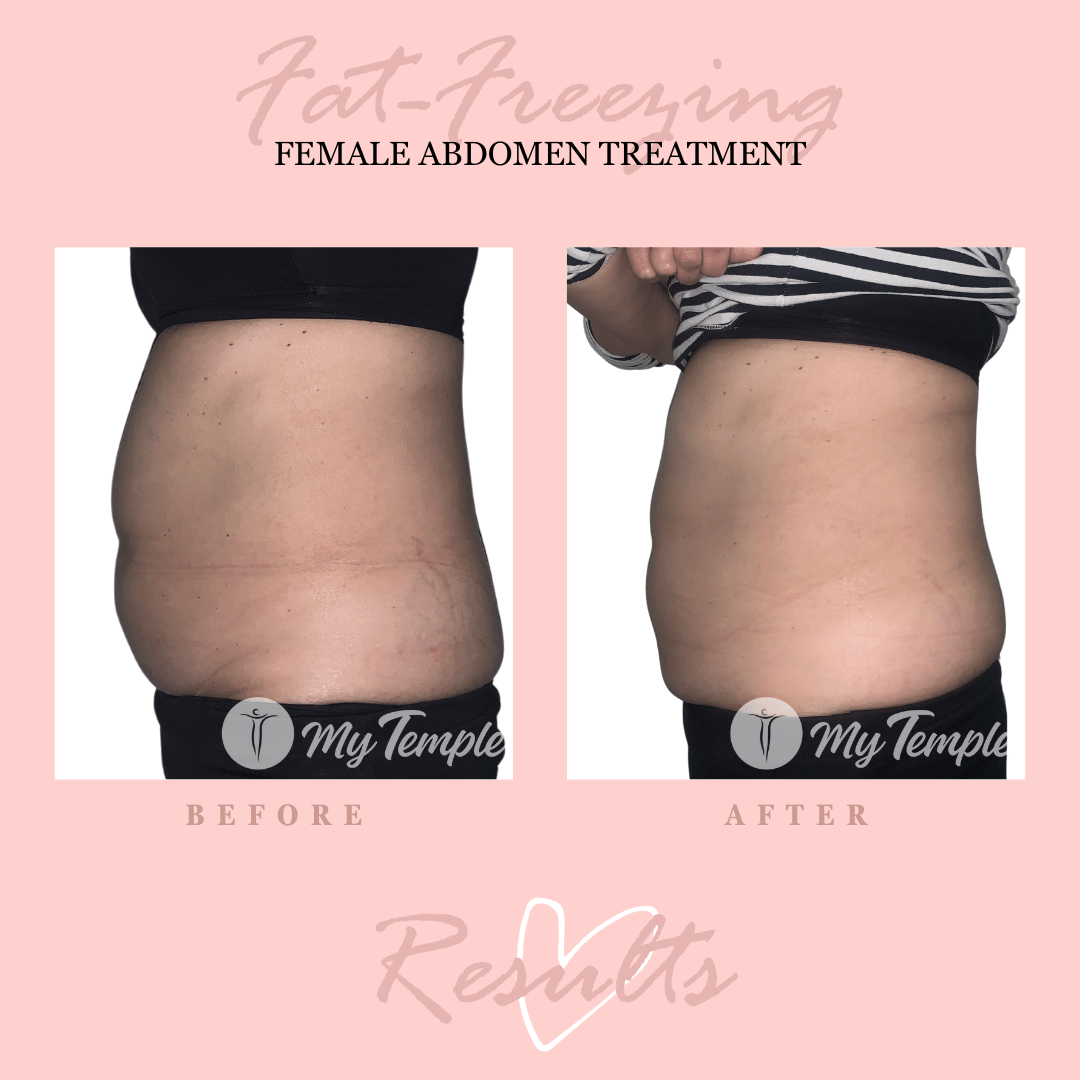
Fat freezing specifically targets subcutaneous fat, the pinchable fat located beneath the skin. During treatment, controlled cooling damages these fat cells, which are then naturally processed and eliminated by the body over the following weeks and months. This results in a gradual reduction of fat in the treated area.
For women experiencing menopause-related body changes, fat freezing may provide a non-invasive option for addressing stubborn pockets of fat around areas such as the lower abdomen, love handles, bra bulge, and thighs, helping clothes fit more comfortably and improving body confidence. Understanding these differences can help you make more informed decisions about your body, your health, and the options available to support your goals.
To learn more about the most current and popular weight loss, fat loss, and cosmetic body contouring treatments, check out our e-book ‘TRIMMING THE FAT -AN ESSENTIAL GUIDE TO THE TOP 15 WEIGHT LOSS INTERVENTIONS’
WHAT DO WE ACTUALLY KNOW ABOUT MENOPAUSAL WEIGHT GAIN?
If you're a woman in your 40s or 50s and feel like your body has suddenly changed despite doing all the things you've always done, you're certainly not alone. One of the most common conversations we have at MyTemple is with women who tell us they haven't dramatically changed their eating habits or lifestyle, yet the weight seems to settle around their middle, their clothes fit differently, and the results they once achieved through diet and exercise are becoming harder to maintain.
For many years, women were told that weight gain during menopause was simply a matter of eating less and moving more. However, we now understand that hormonal changes, declining muscle mass, disrupted sleep, increased stress levels, and changes in metabolism can all influence body composition during this stage of life. Menopause doesn't automatically cause weight gain, but it can make maintaining the same shape and body confidence far more challenging than it once was.
What makes this particularly frustrating is that many women are still making healthy choices. They're exercising, watching what they eat, and trying their best, yet stubborn pockets of fat around the abdomen, waistline, and hips seem unwilling to budge. Understanding these changes is important because it helps explain why your body may be responding differently and allows you to explore solutions that work with your body rather than against it.
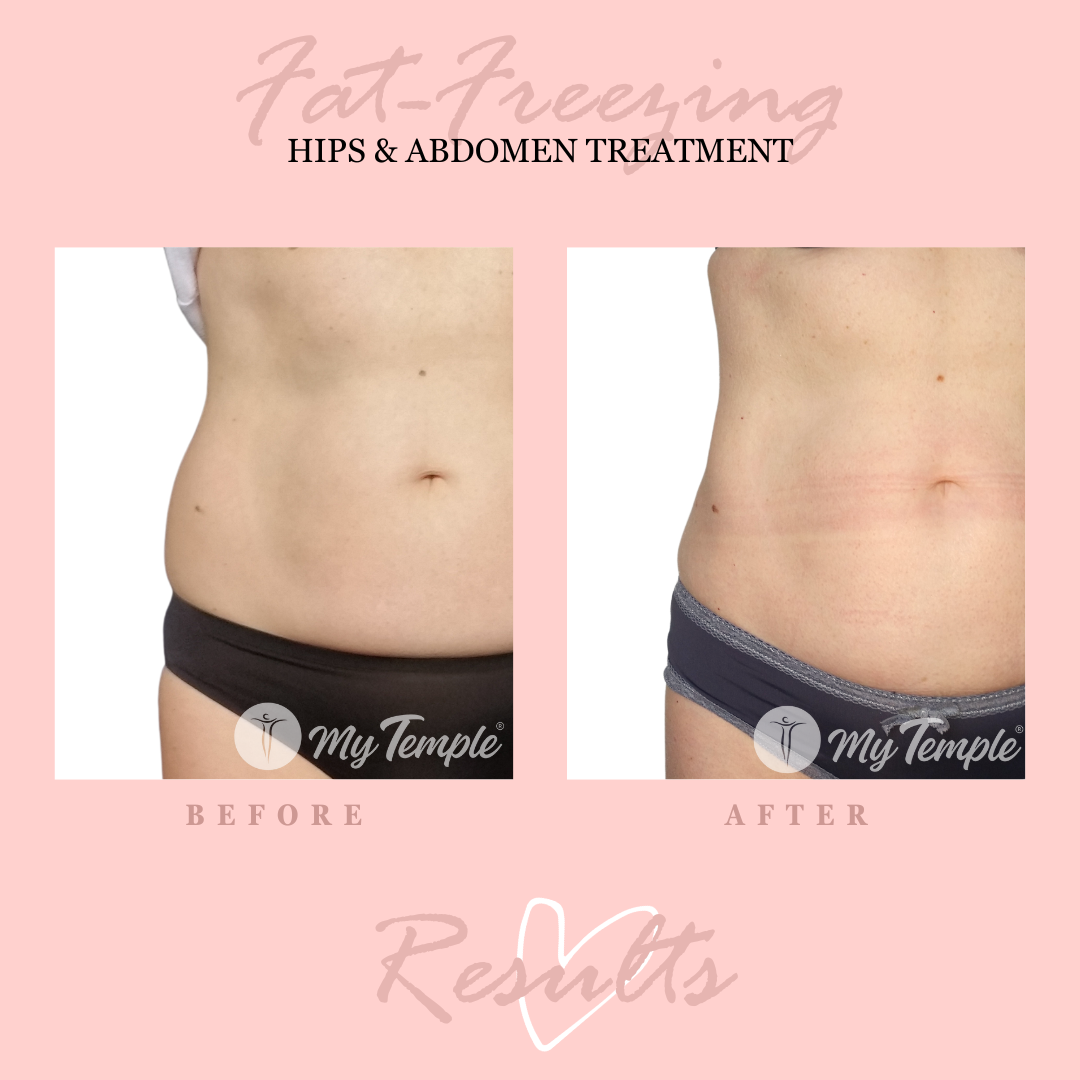
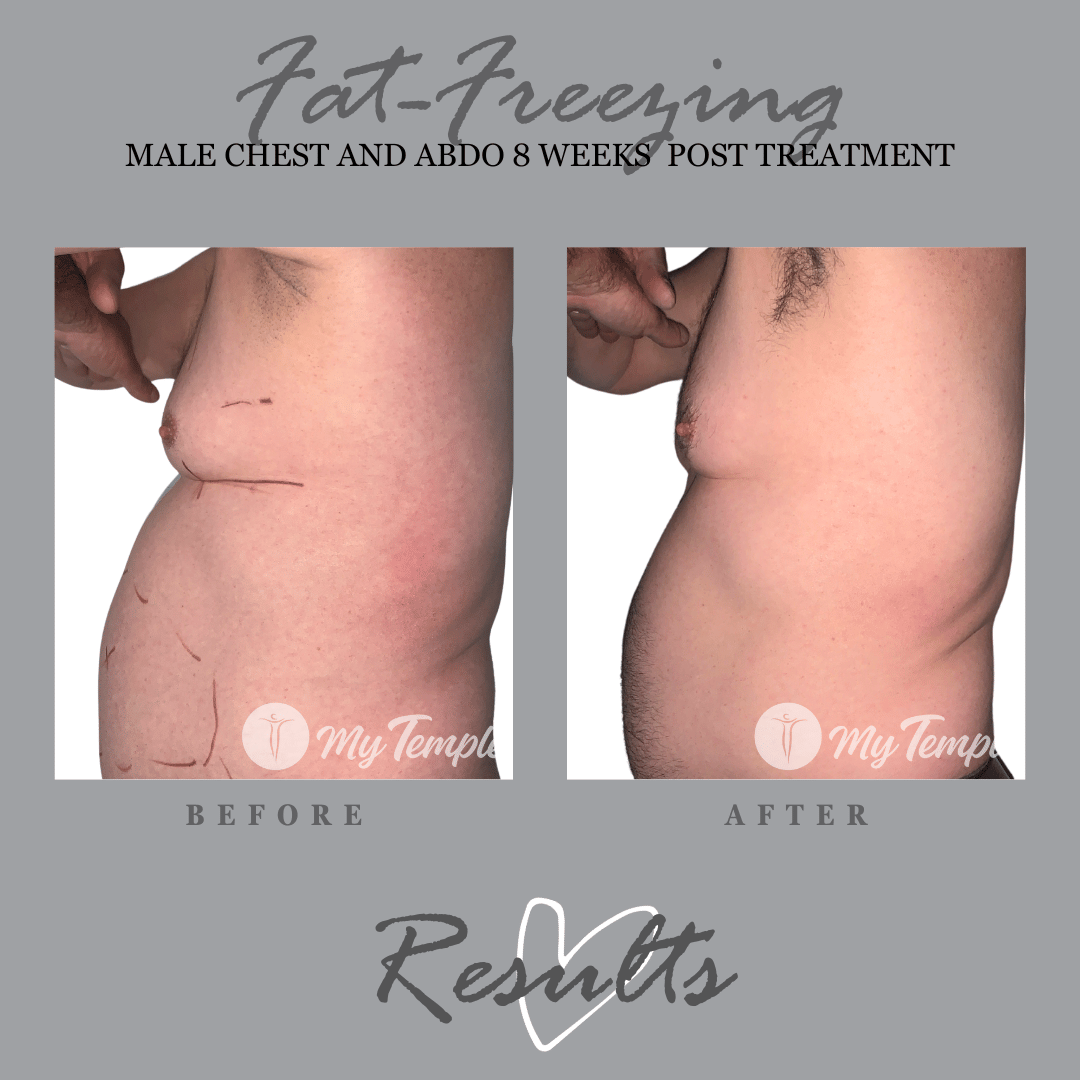
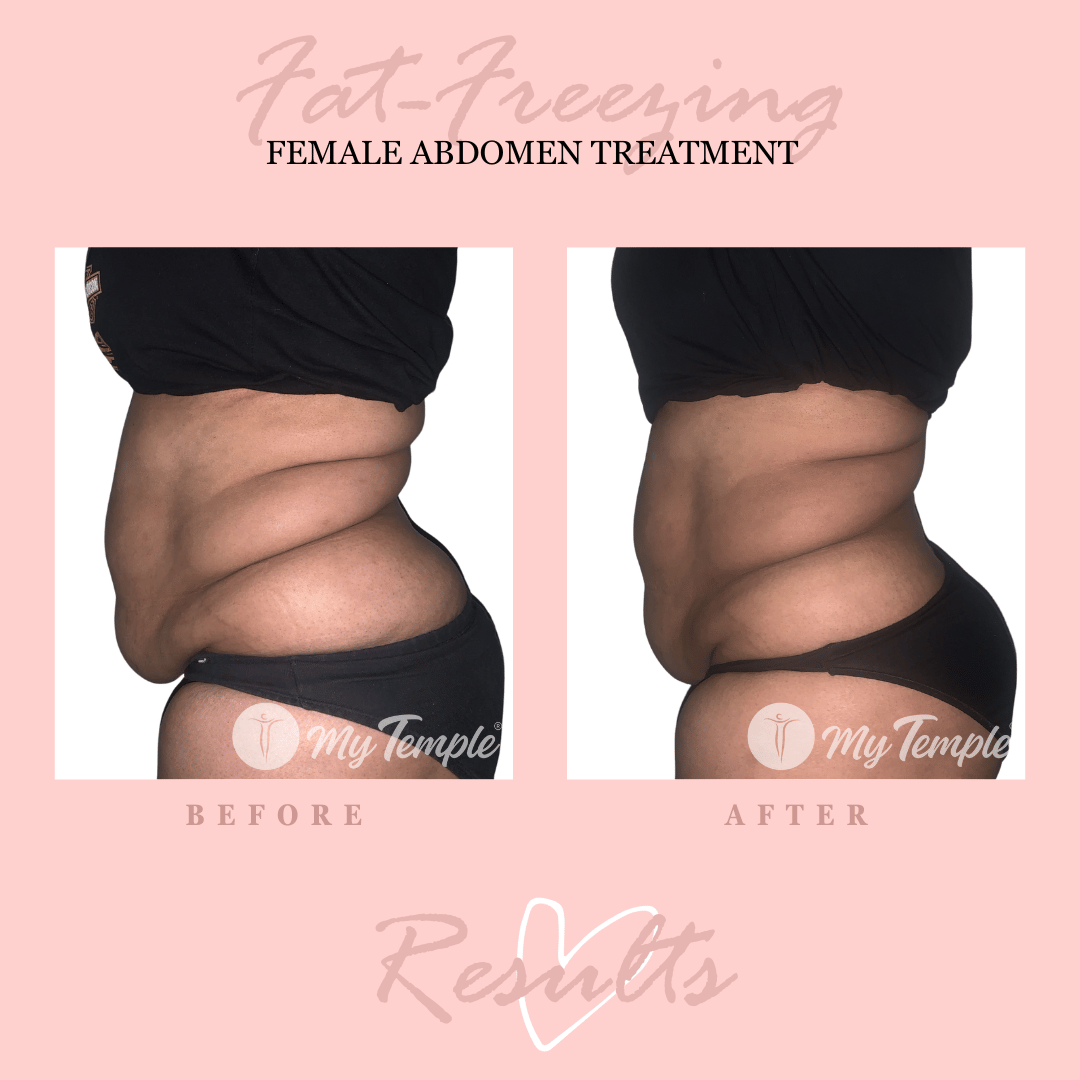
For women who are otherwise happy with their overall weight but feel frustrated by specific areas of stubborn fat, fat freezing may provide a non-invasive option. By targeting localised subcutaneous fat, fat freezing can help reduce the pockets of fat that often become more noticeable during menopause, helping you feel more comfortable and confident in your clothes again.

Why Does Menopause Change Body Shape?
One of the most noticeable changes during menopause is not necessarily how much weight you gain, but where that weight is stored. As hormone levels change, many women notice increased fat accumulation around the abdomen and waistline, along with a gradual loss of muscle mass. This combination can create the feeling that your body is working against you, even when you're putting in the effort.
It is often at this point that women begin exploring treatments such as fat freezing. Not because they're looking for a quick fix, but because they want help addressing specific areas of localised fat that have become increasingly resistant to their usual healthy lifestyle habits. Fat freezing offers a targeted approach, helping reduce stubborn fat deposits while supporting the body confidence many women feel they've lost during this stage of life.
AND LETS TALK ABOUT COST
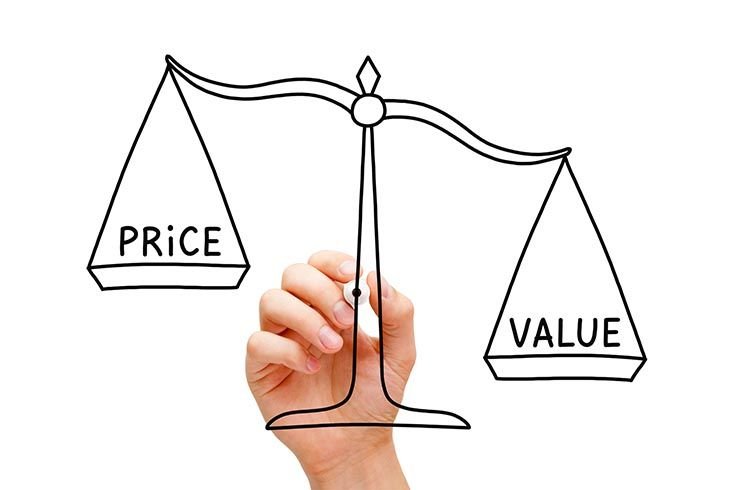
As menopausal weight gain becomes increasingly common, many women are considering medications such as Ozempic and Wegovy to help manage their weight. While these treatments can be effective for overall weight loss, they typically cost between $400 and $600 per month, with many people remaining on treatment for 12 to 24 months or longer. This can represent an investment of $7,000 to $14,000 or more over time, depending on the individual treatment plan and the results ARE NOT PERMANENT.While you are on the drug the fat cells shrink. When you come off? Well they fill back up and you’re back to square one.
For women whose main concern is not overall weight loss, but permanent results and focused therapy - particularly around the abdomen, waistline, love handles or bra bulge, fat freezing offers a different approach. Starting from $499 per area, fat freezing targets localised pockets of fat that often become more noticeable during menopause, helping to contour specific areas without ongoing medication, surgery or downtime. The fat cells that are targeted during treatment are PERMANENTLY eliminated from your body.
UNDERSTANDING FAT FREEZING (CRYOLIPOLYSIS)
-
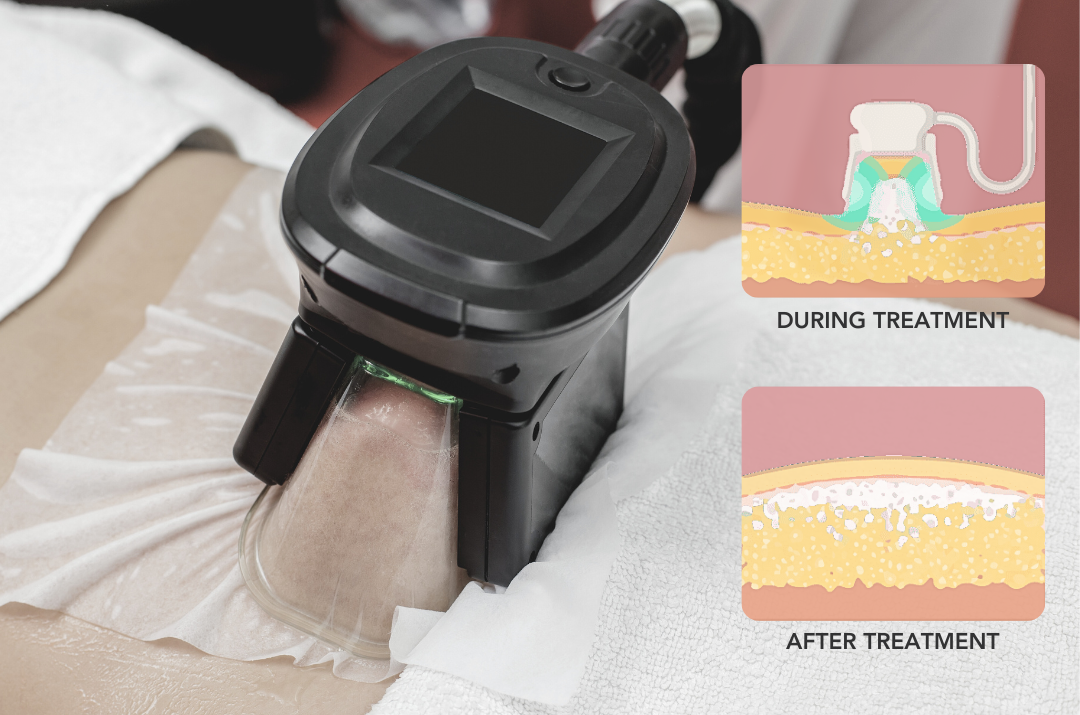
Fat freezing/ cryolipolysis is a non-invasive procedure that uses controlled cooling to target and eliminate fat cells. A panelled or cupped device is applied to the treatment area, freezing the fat cells without harming the surrounding skin, muscles, or nerves. This makes fat freezing an ideal solution for addressing stubborn fat in specific areas, such as the chin, underarms, back or bra rolls, love handles, abdomen, thighs, calves, and knees.
The freezing process causes fat cells to crystallize and die, after which they are broken down by immune cells called macrophages and gradually removed through the lymphatic system. The procedure is performed without the need for general or local anesthesia. Once the fat cells are destroyed during the treatment, they are permanently eliminated from the body.
During the procedure, clients may initially feel a sensation of tugging or pulling as the tissue is drawn into the vacuum applicator. A slight stinging may also occur as the area becomes numb. After the procedure, it is common to experience temporary numbness and tingling due to the cold exposure, but these sensations typically resolve within a few days.
-
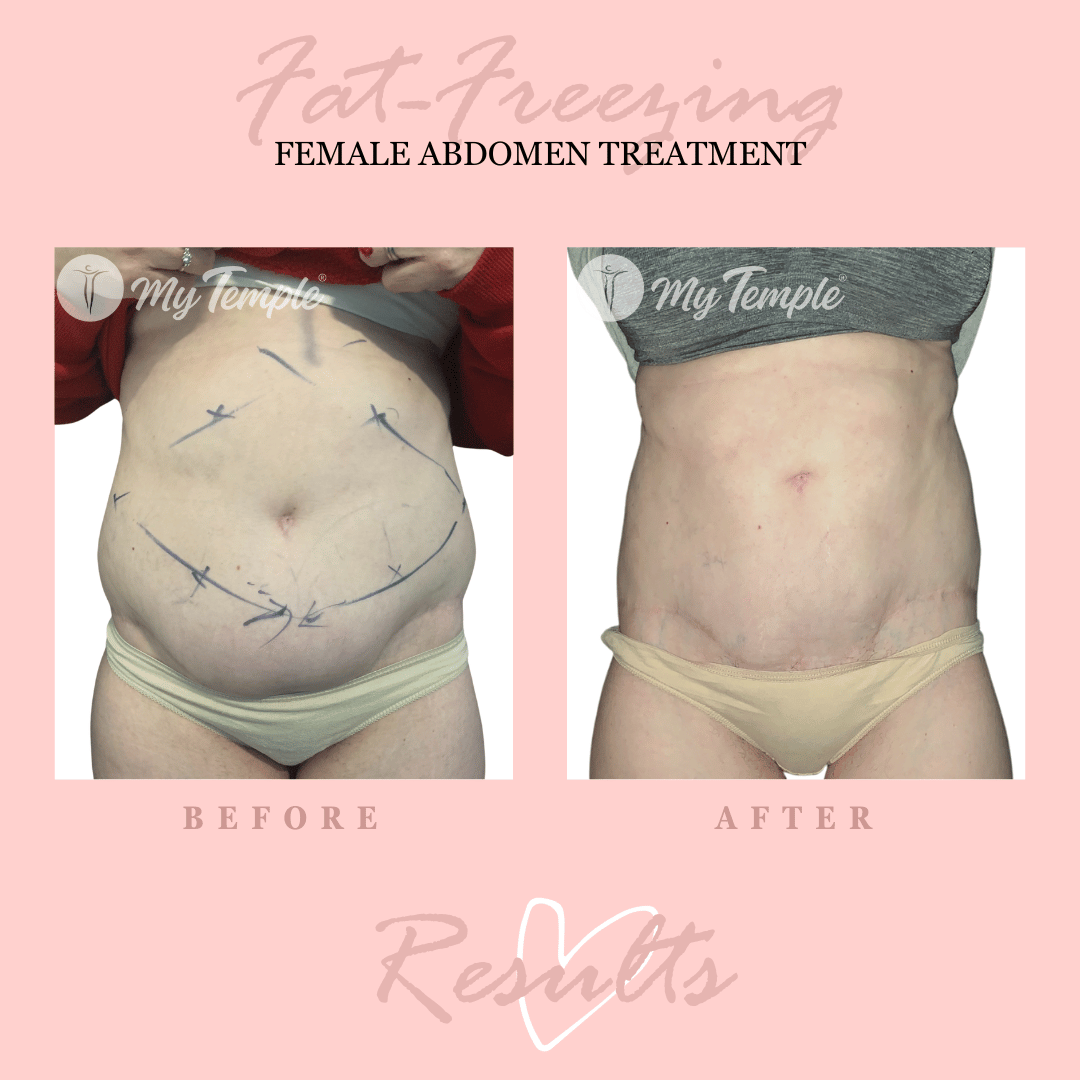
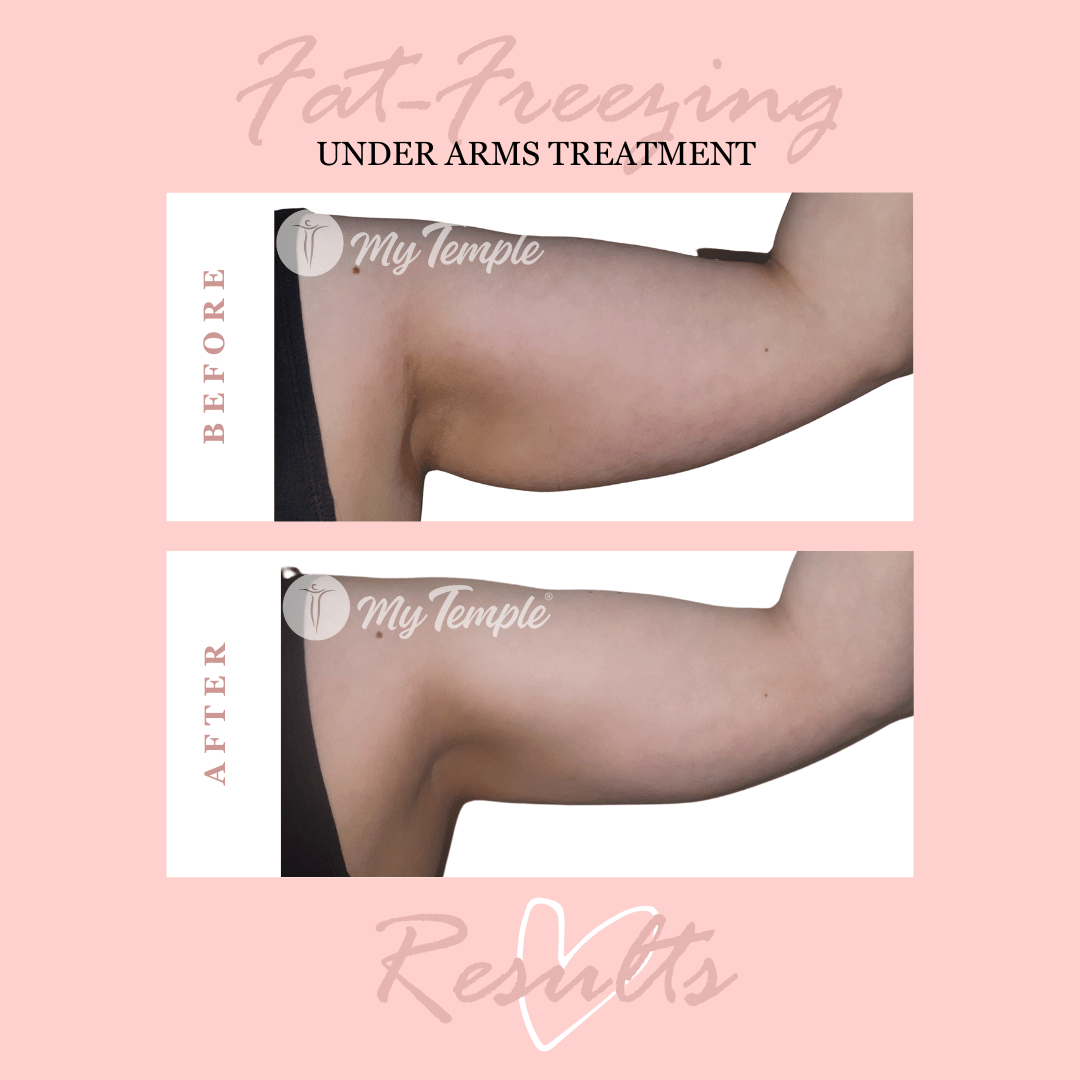
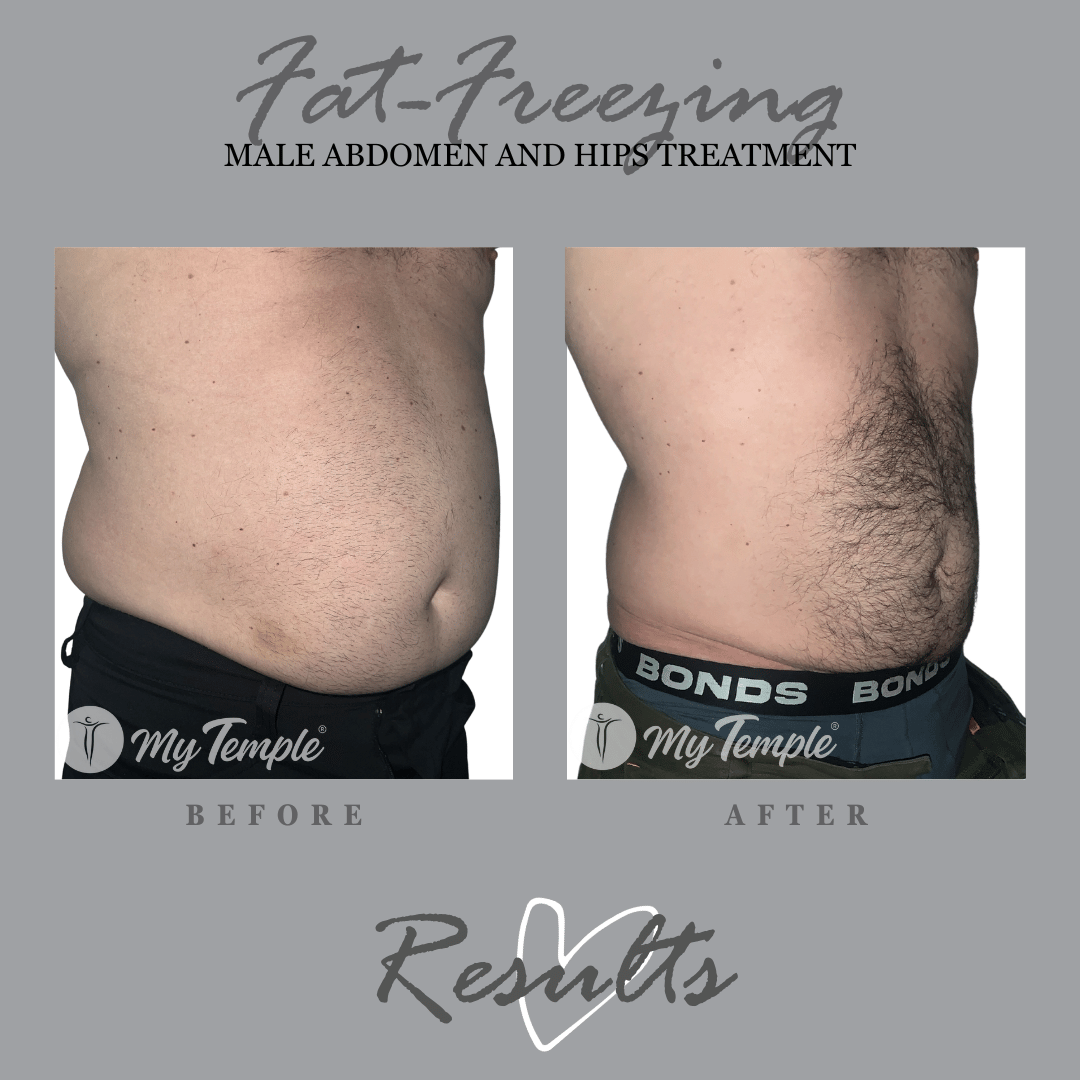
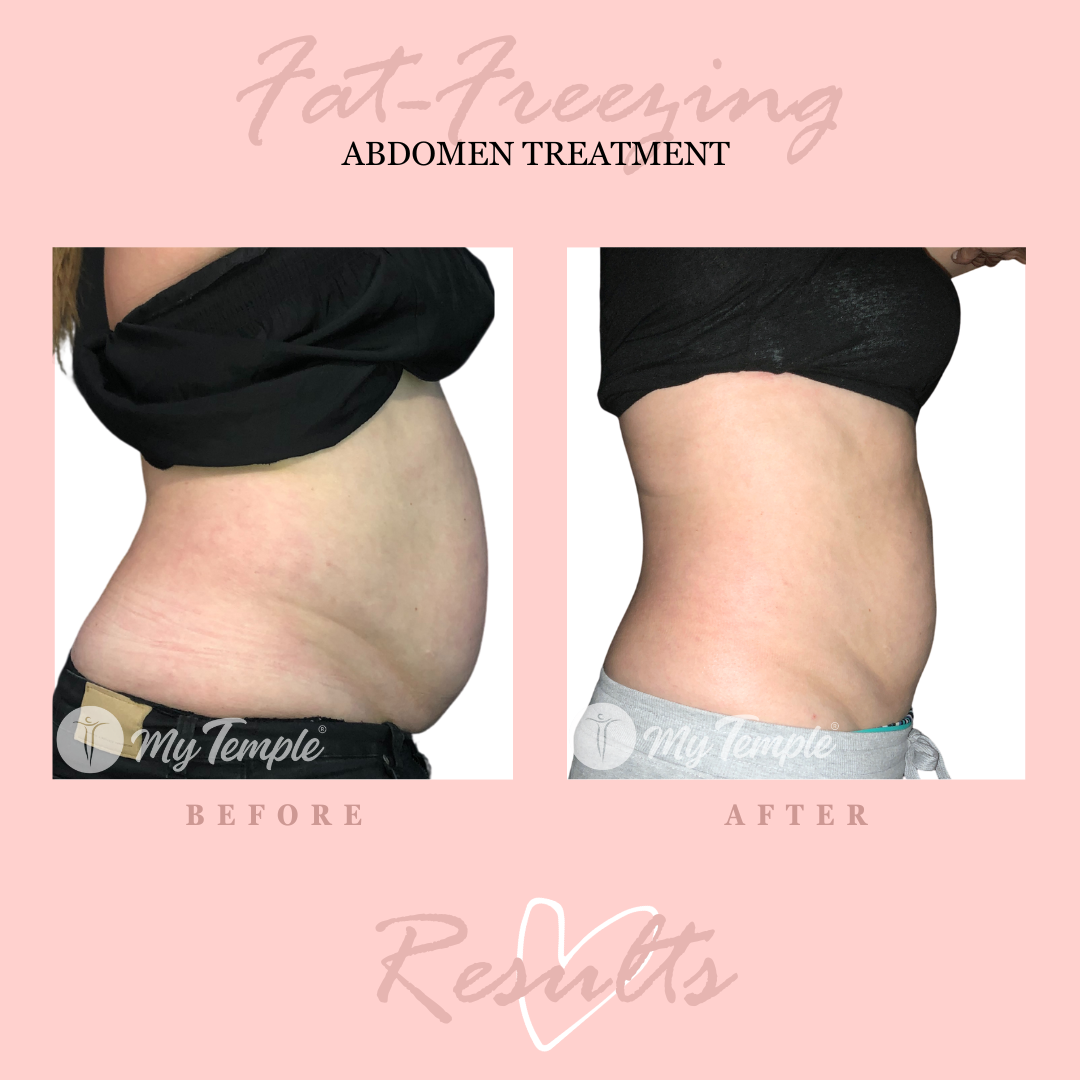
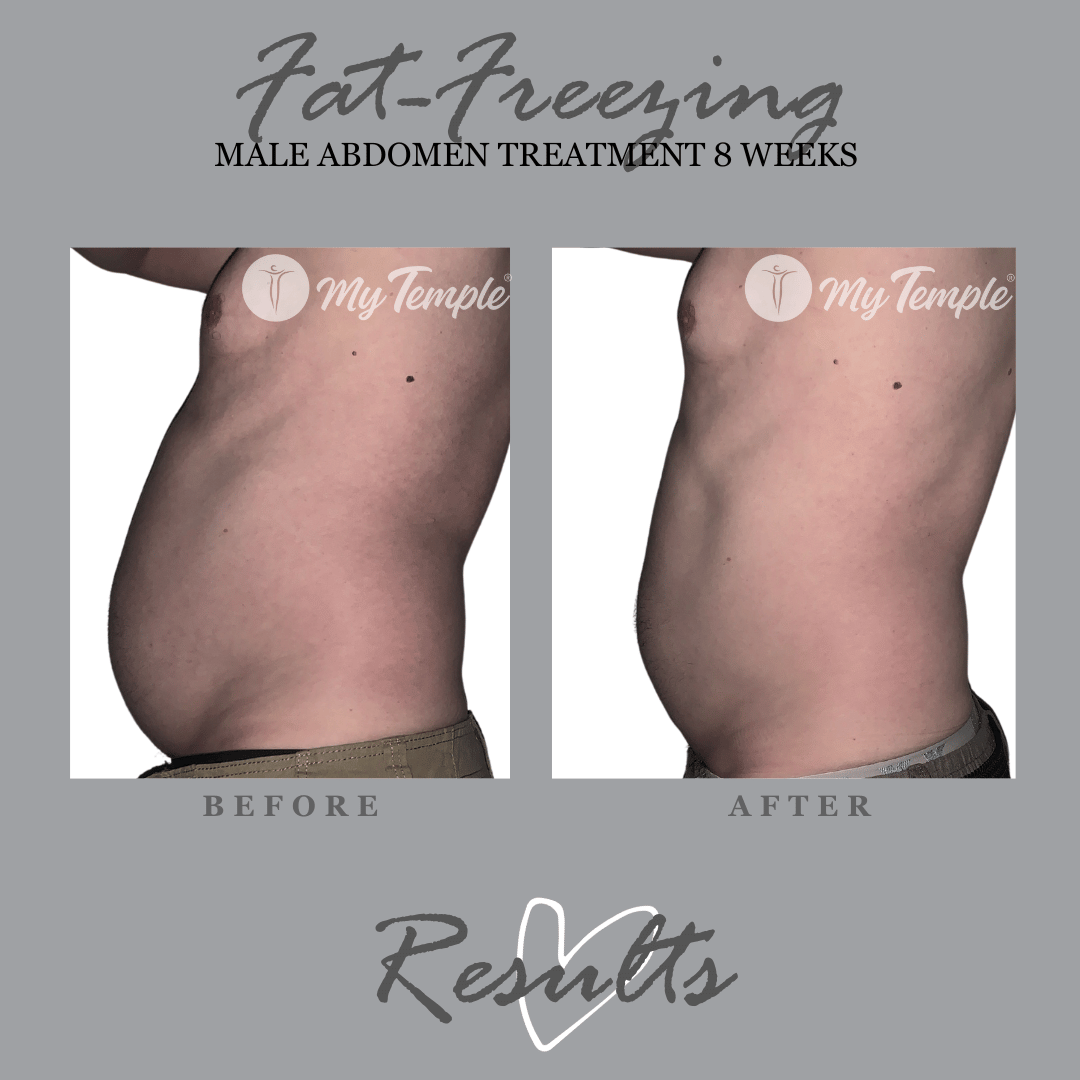
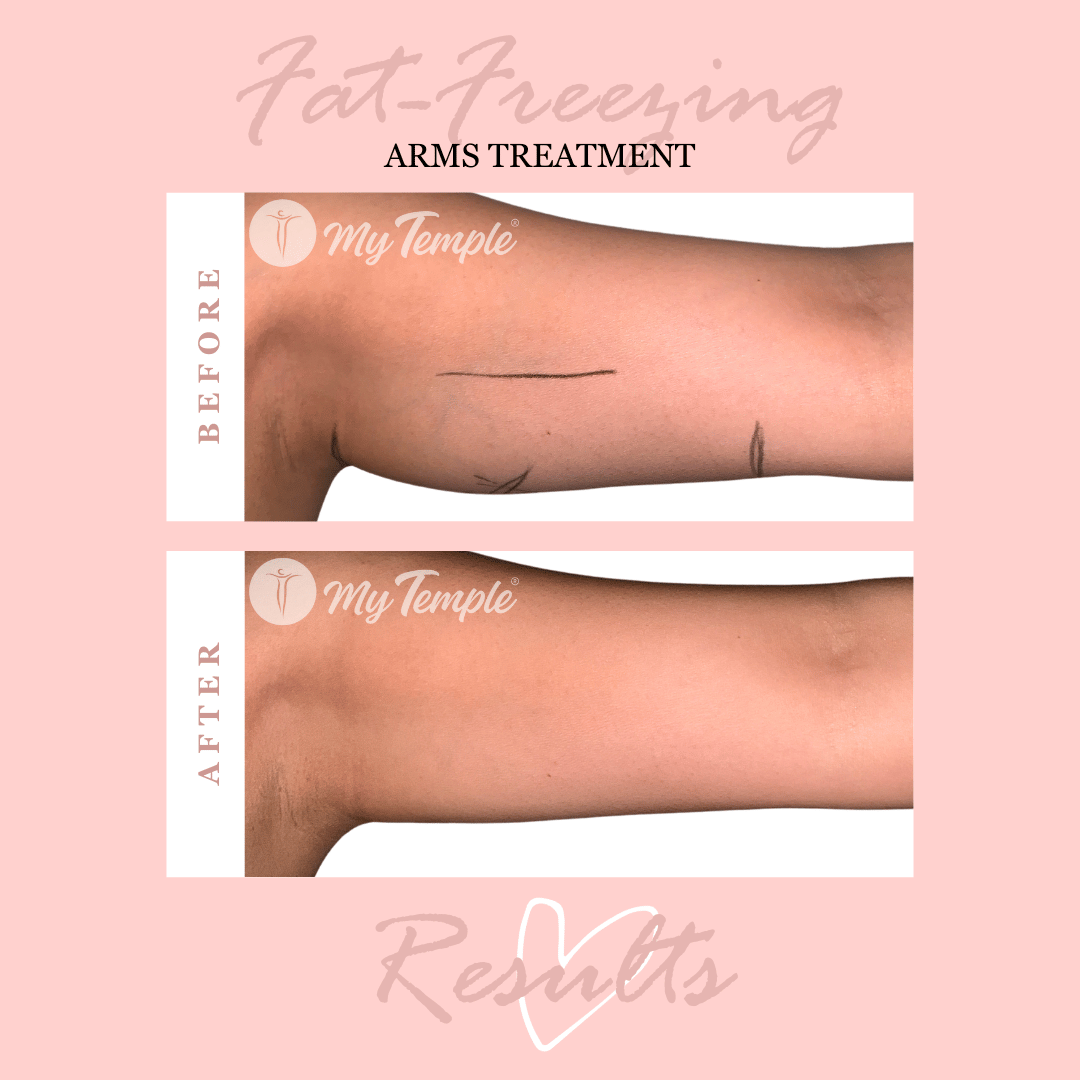
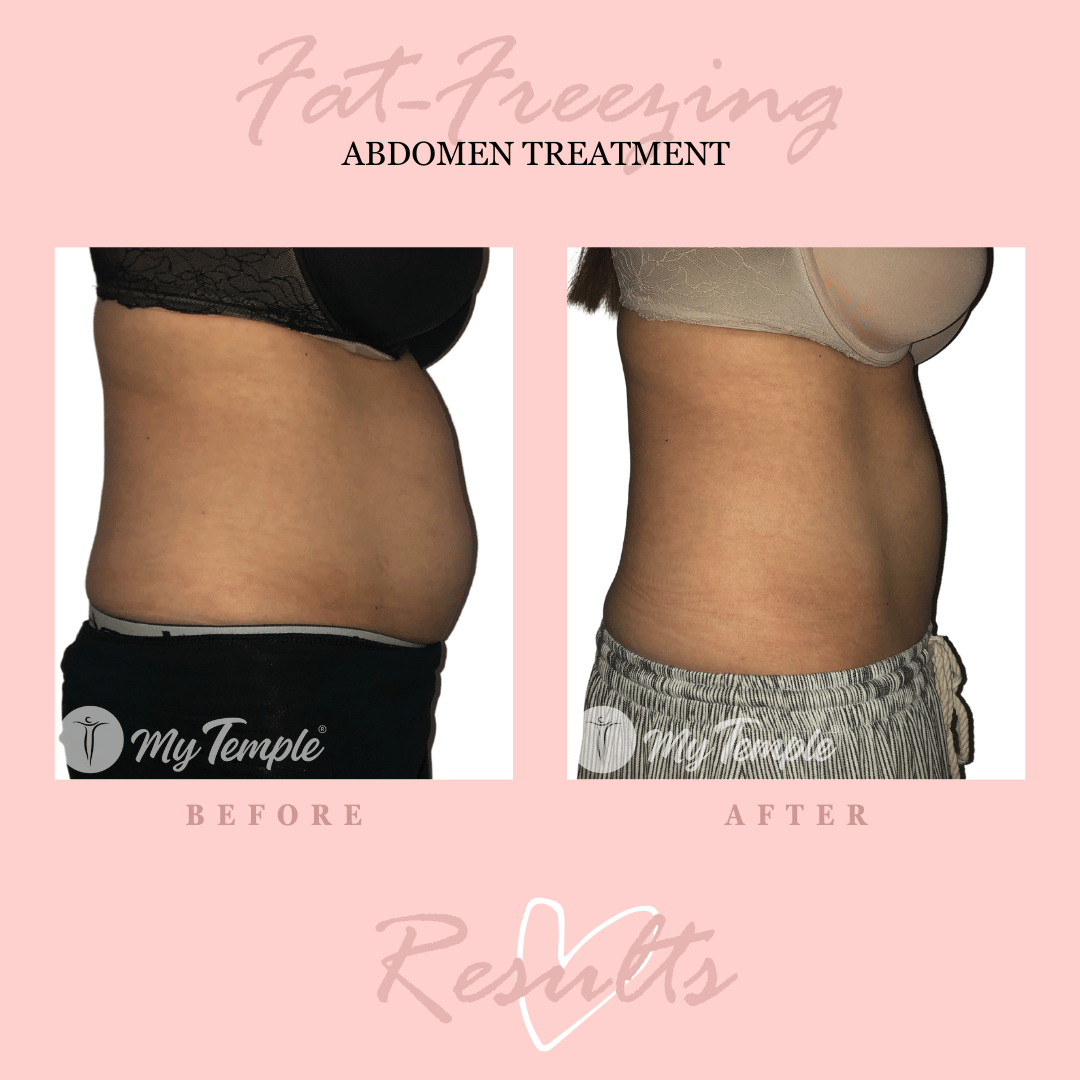
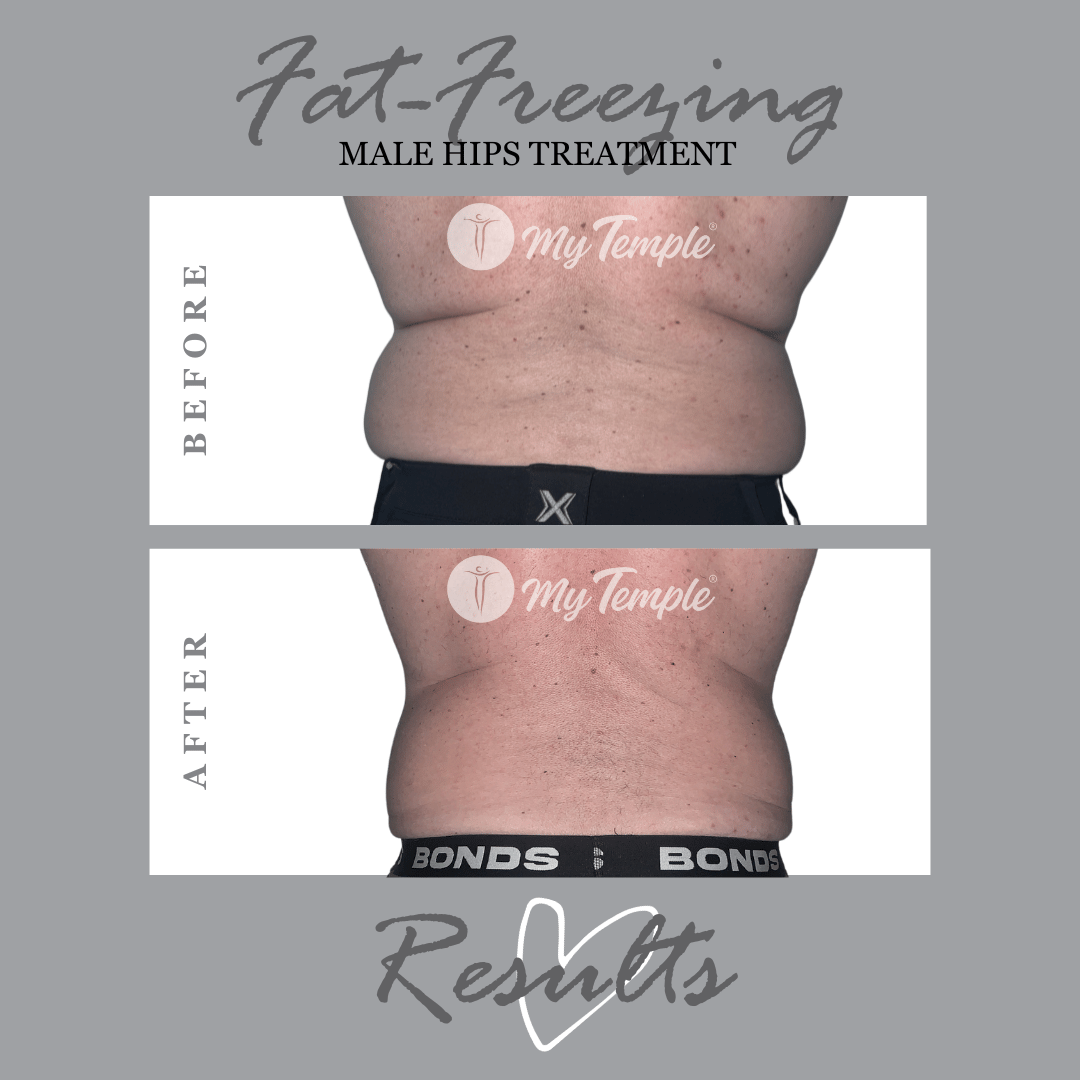
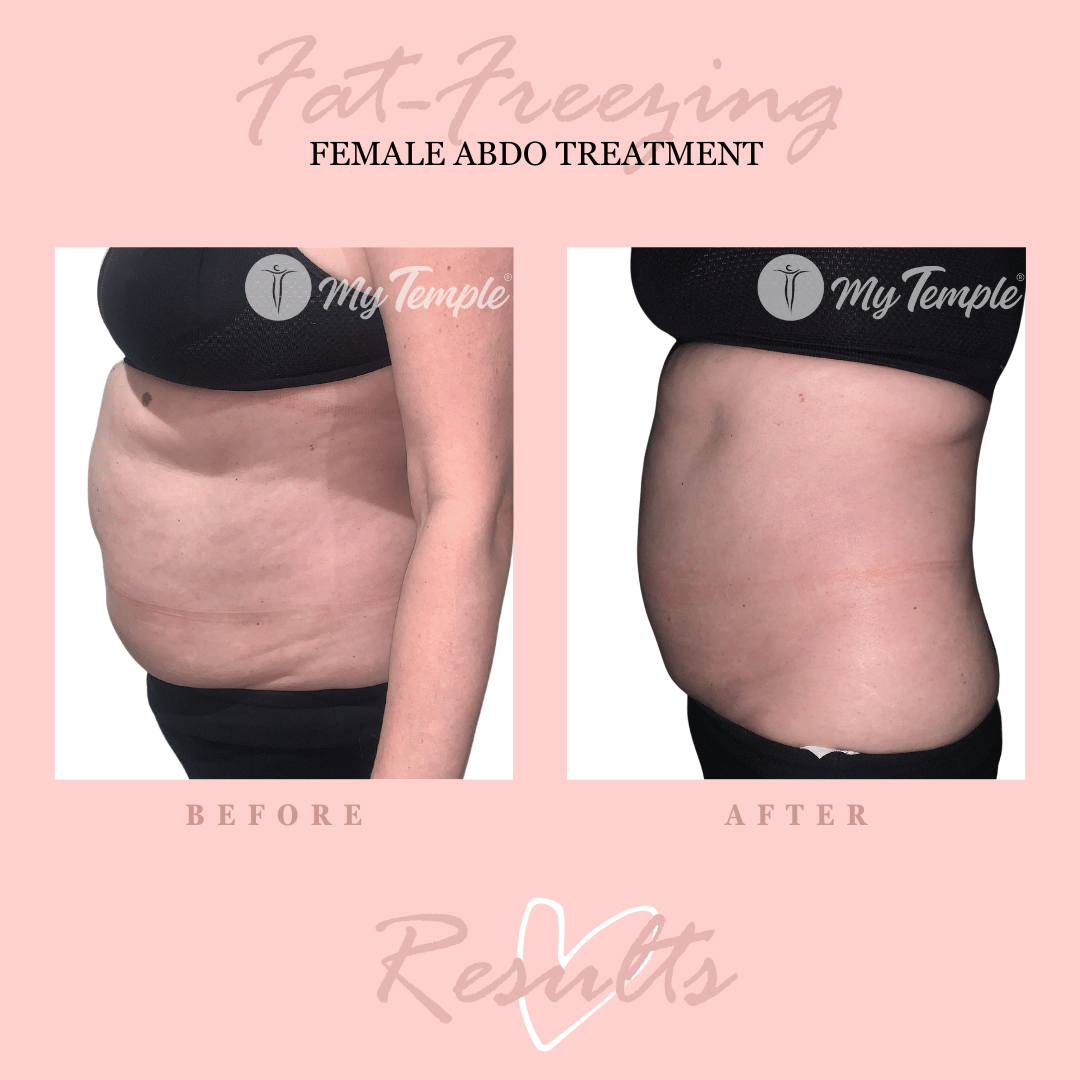
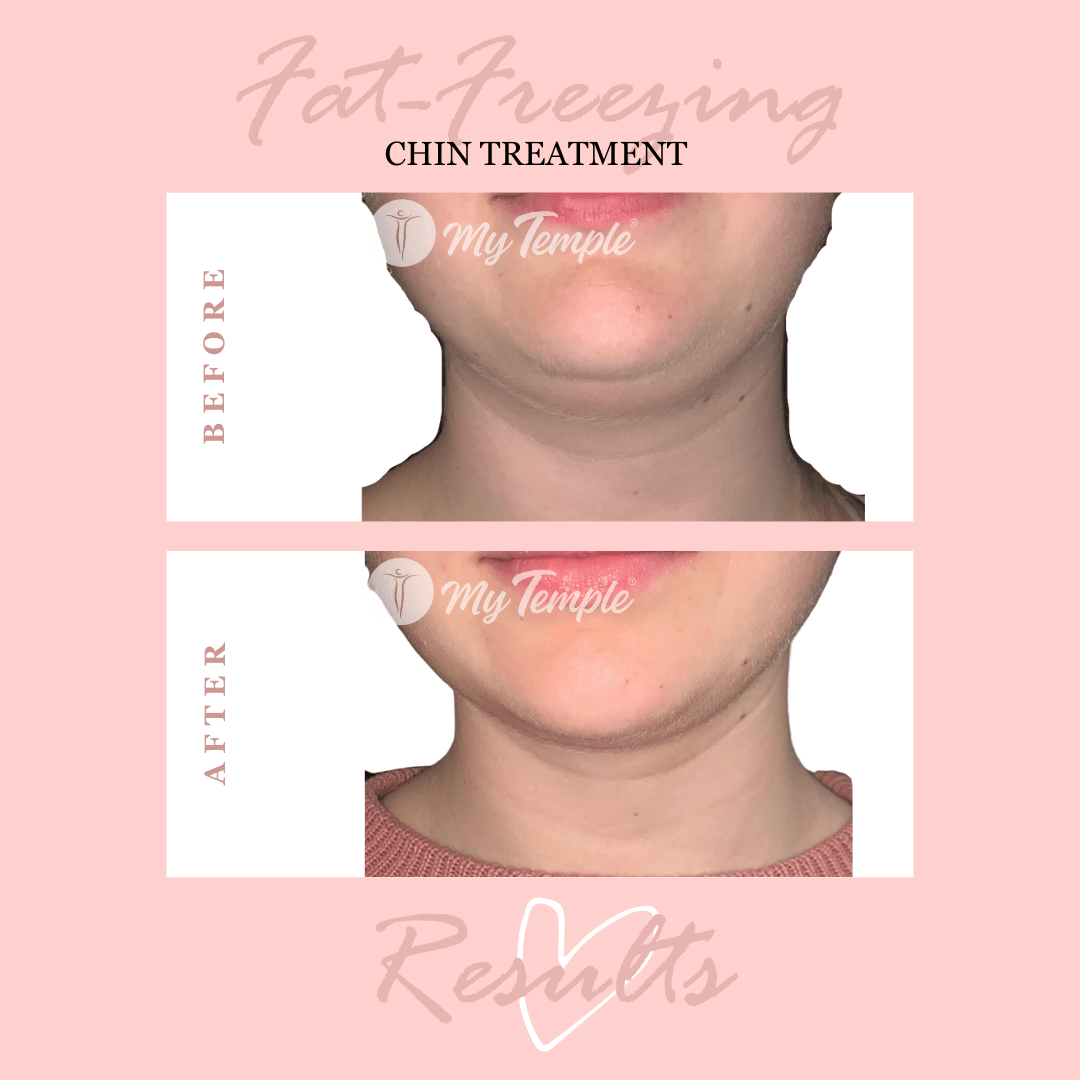
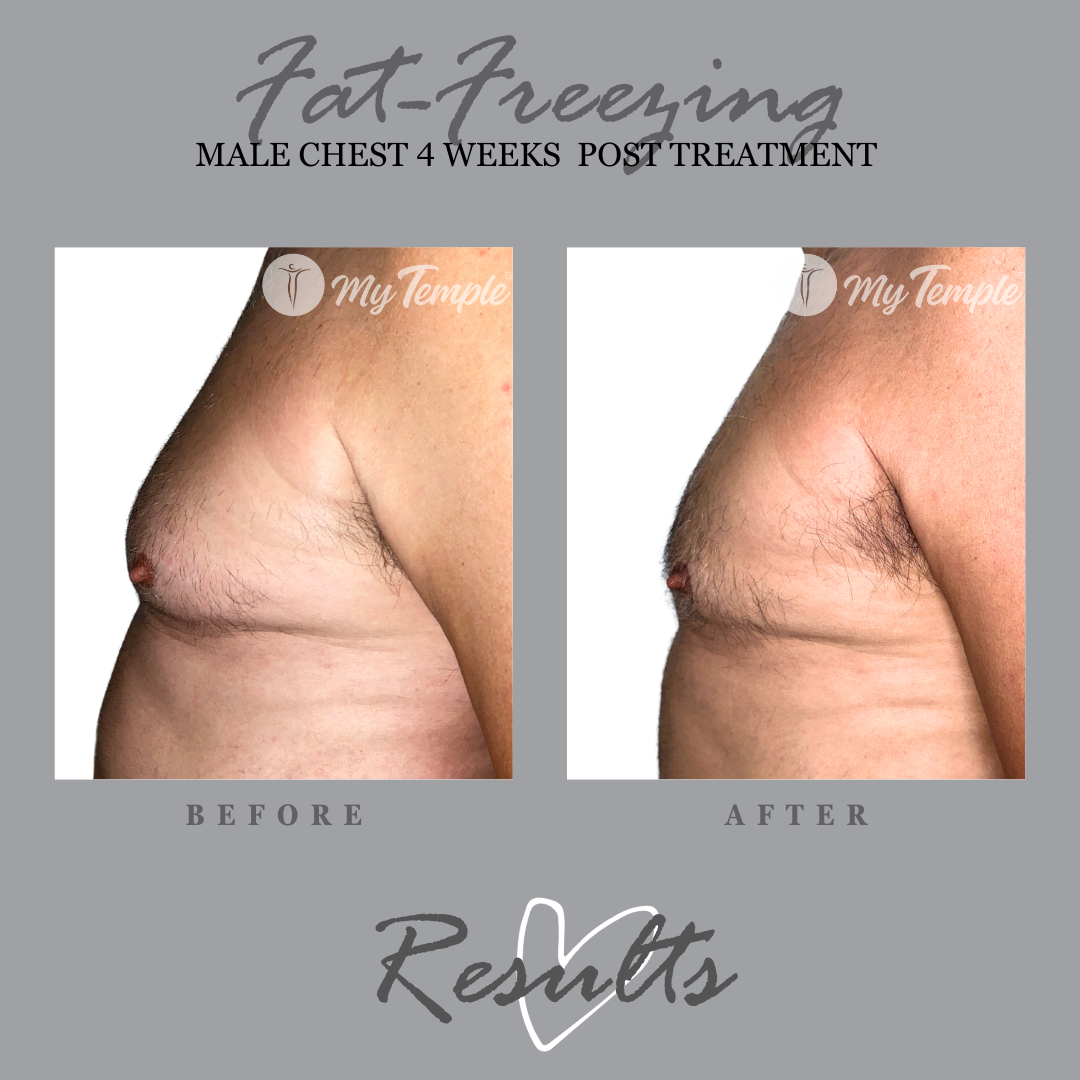
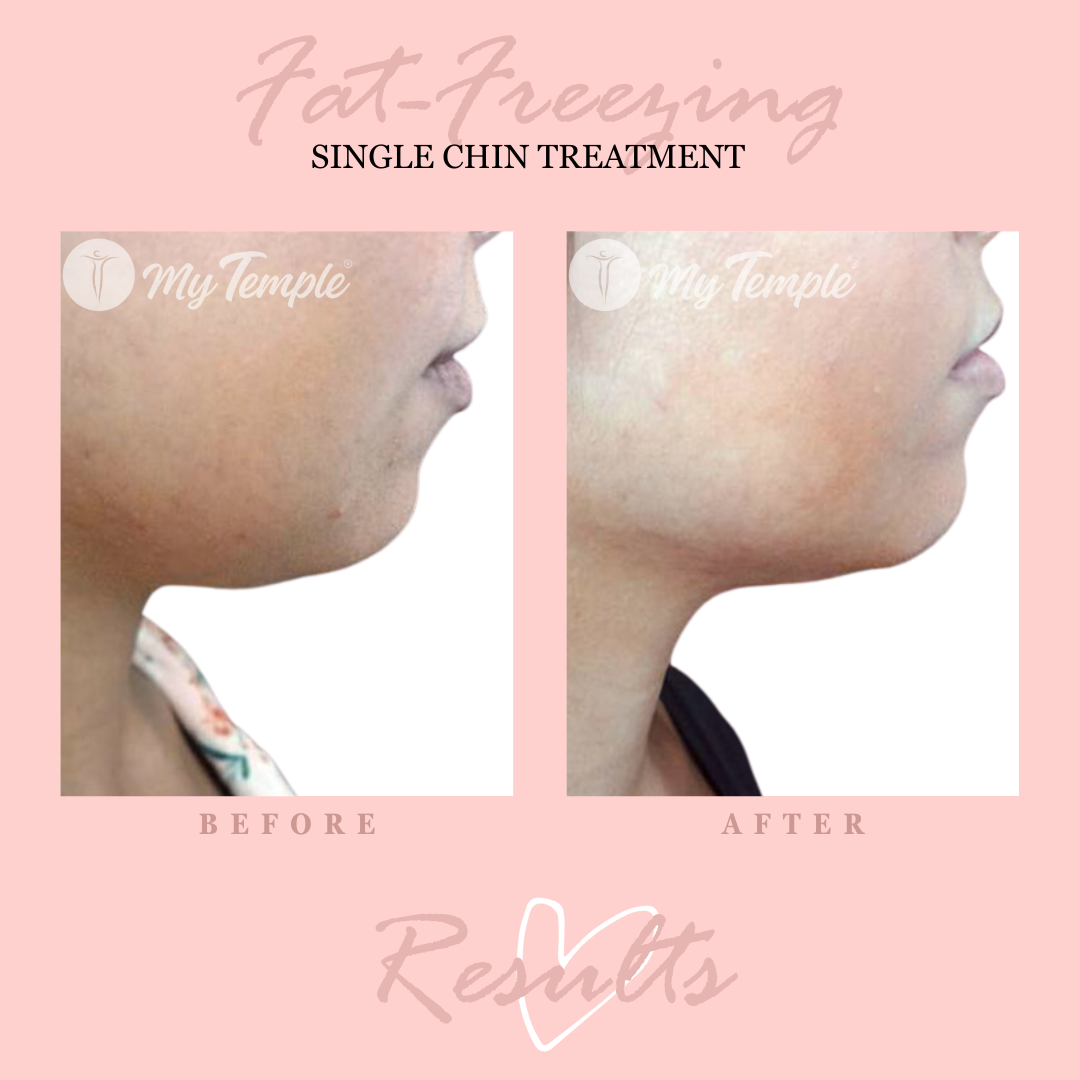
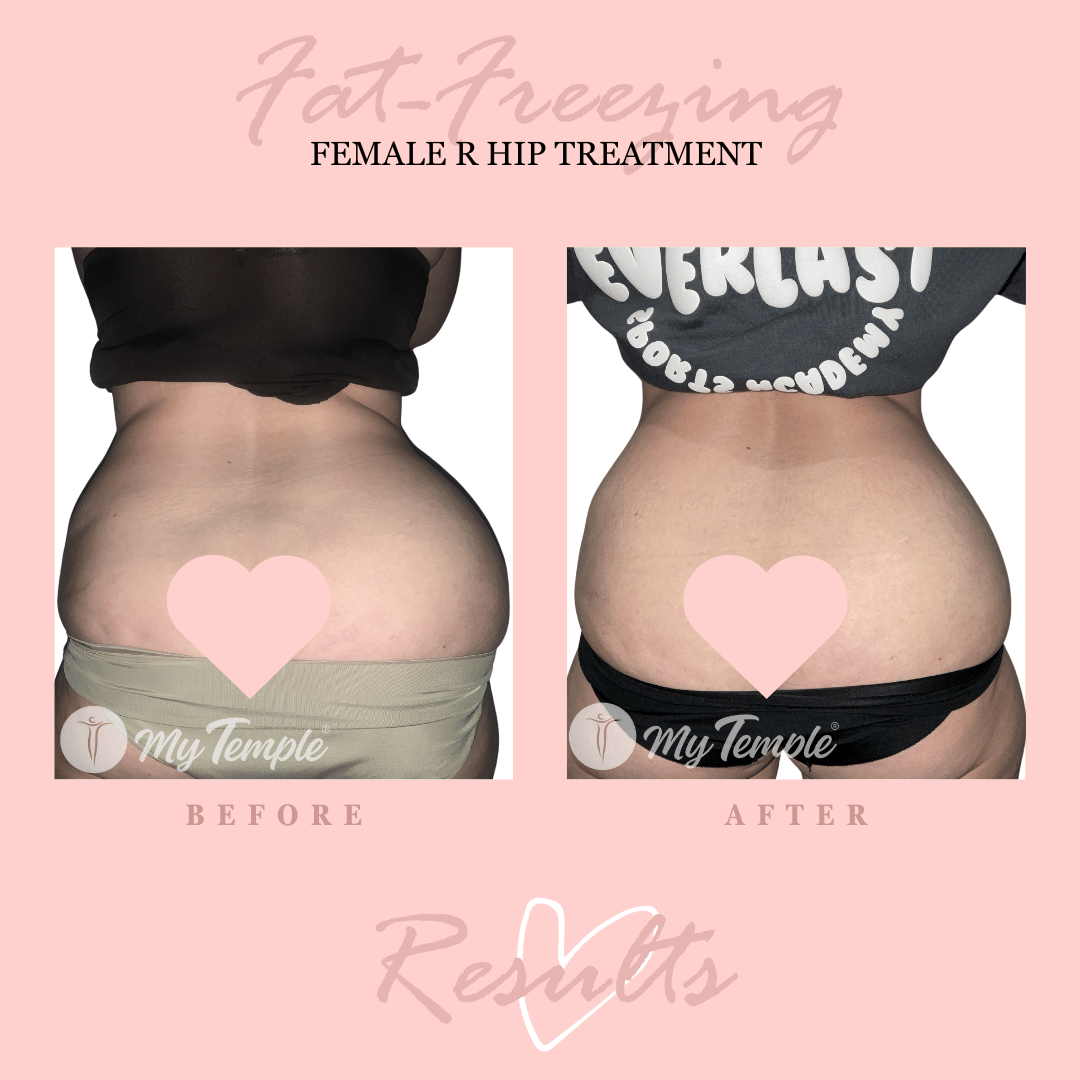
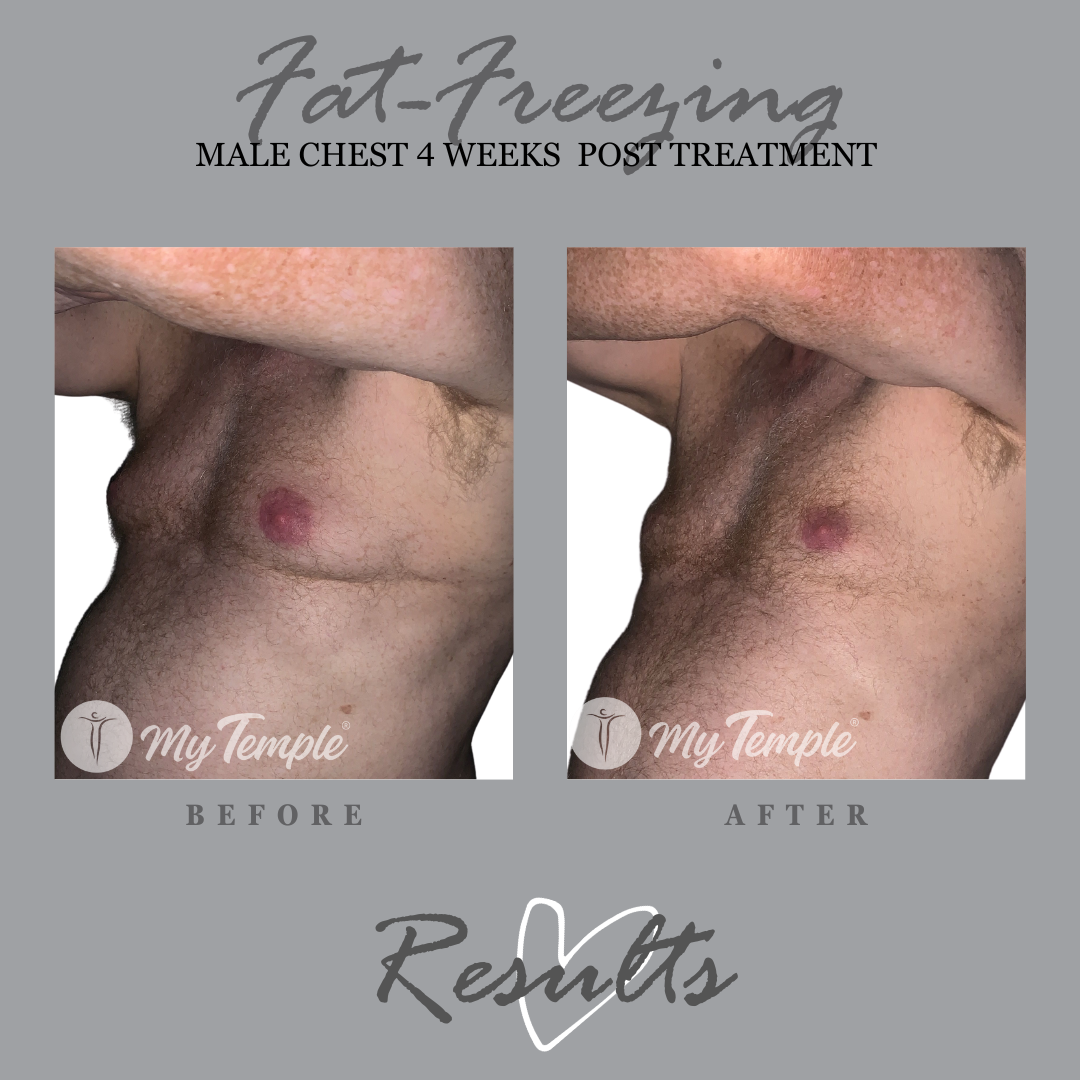
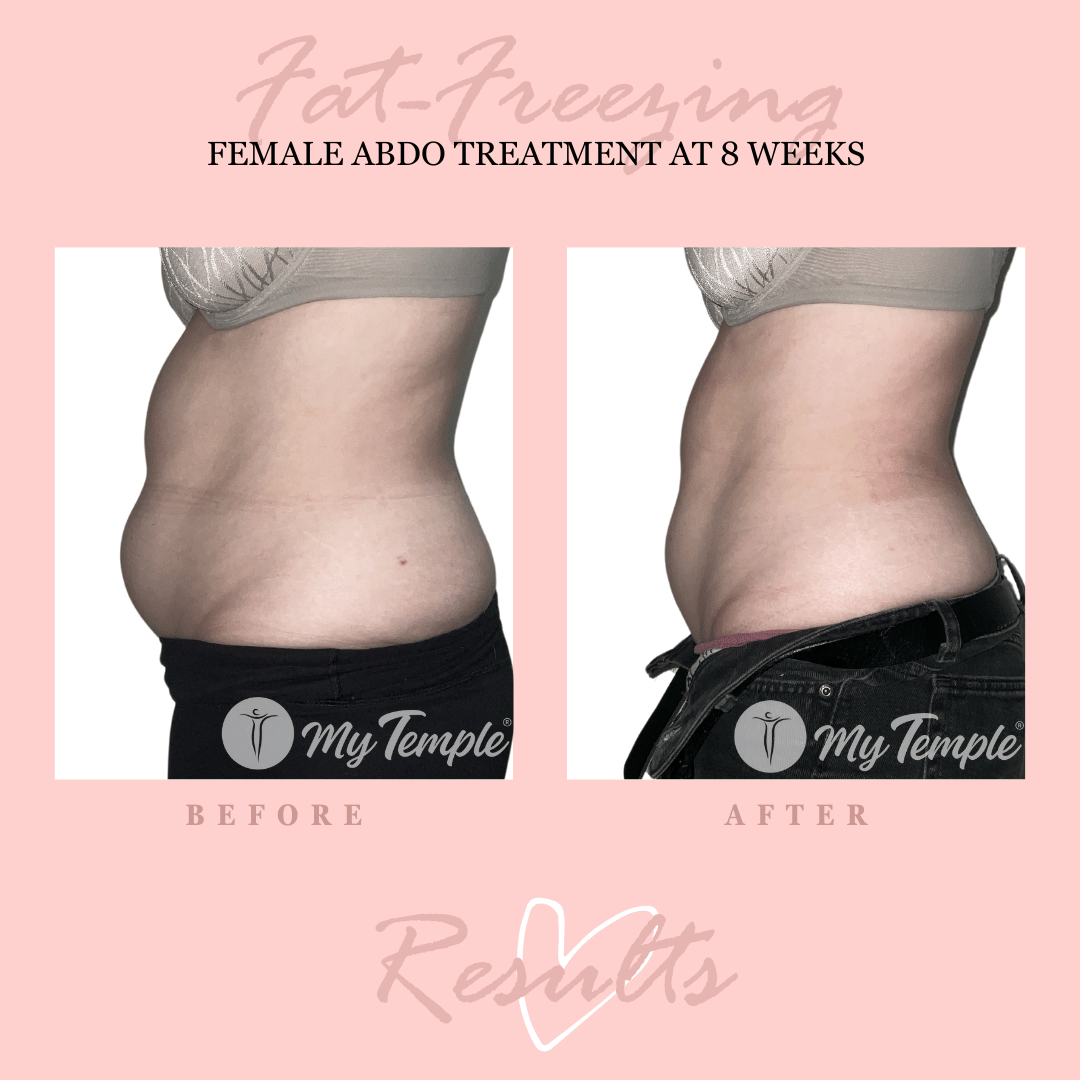
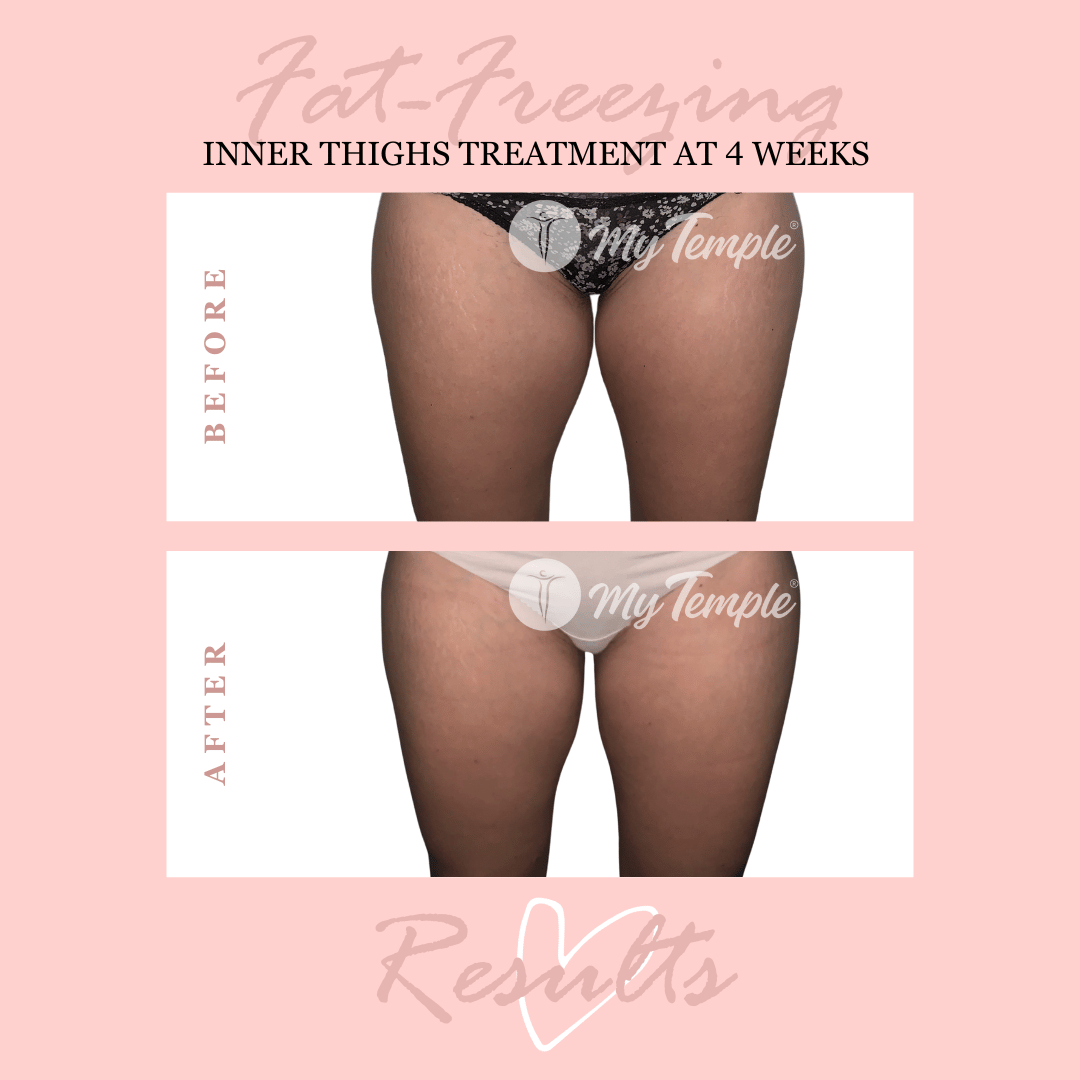
Fat freezing has been studied extensively in both animal and human models. The results have been excellent with visible and fast results. The effects can be visible in as little as 2-4 weeks after treatment with final results showing up to a 25% reduction in fat. This efficacy is seen with only 1-2 sessions, proving its superiority. Fat reduction is permanent during freezing because the cells are removed from the area, leading to a long-lasting solution to stubborn fat pockets and bulges. Patients are highly satisfied even after just one session of this therapy because of this effect.
A study by Krueger et al. (2014) quotes two additional studies and states, “The clinical efficacy and safety of cryolipolysis has been studied in both human and animal models. In two separate studies, animal models demonstrated a reduction of up to 1 cm or 40% of the total fat layer thickness after a single exposure without harming the overlying skin.” (Manstein et al., 2008 & Zelickson et al., 2009)
An additional reference included in this study - refers to the article by Coleman SR et al, titled “Clinical efficacy of noninvasive cryolipolysis and its effects on peripheral nerves” States that “in a study published in 2009 involving ten subjects reported a 20.4% and 25.5% reduction in the fat layer 2 months and 6 months after treatment, respectively
References:
Coleman, S. R., Sachdeva, K., Egbert, B. M., Preciado, J., & Allison, J. (2009). Clinical efficacy of noninvasive cryolipolysis and its effects on peripheral nerves. Aesthetic Plastic Surgery, 33(4), 482–448.
Krueger, N., Mai, S. V., Luebberding, S., & Sadick, N. S. (2014). Cryolipolysis for noninvasive body contouring: Clinical efficacy and patient satisfaction. Clinical, Cosmetic and Investigational Dermatology, 7, 201-205. https://doi.org/10.2147/CCID.S44371
Manstein, D., Laubach, H., Watanabe, K., Farinelli, W., Zurakowski, D., & Anderson, R. R. (2008). Selective cryolysis: A novel method of non-invasive fat removal. Lasers in Surgery and Medicine, 40(9), 595–604. https://doi.org/10.1002/lsm.20719
Zelickson, B., Egbert, B. M., Preciado, J., et al. (2009). Cryolipolysis for noninvasive fat cell destruction: Initial results from a pig model. Dermatologic Surgery, 35(10), 1462–1470. https://doi.org/10.1111/j.1524-4725.2009.01259.x
-
Pros:
Results in permanent fat loss with as little as 1 session
Doesn't require general or local anesthetic
Most clients see a visible reduction within 2-3 weeks
Effective results at 12 weeks due to the removal of fat cells via the lymphatic system
Fewer treatments are required to reach the desired result when compared with other non-invasive treatments
Targeted fat loss
No dietary changes required
Little to no downtime
Cons:
The feeling of pulling during the procedure
Mild stinging sensation as the skin becomes numb that may last a few days after treatment
Repeated sessions may be needed depending on the thickness of the fat layer
Targets only subcutaneous fat

FAT FREEZING VS OZEMPIC
-
Medications like Ozempic are covered by Medicare, but only for patients with diabetes. Mounjaro, on the other hand, is available by private prescription and costs approximately $600 per month. All of them are ongoing and perpetual expenses that require continuous payment.
In contrast, fat freezing (CoolSculpting®) is a one-time investment. At our clinics, treatments can cost as little as $199 per area when purchased as part of a package, offering a more affordable and permanent solution for fat reduction.
For more detailed information visit our pricing page or contact us for a free consultation.
-
Fat loss medications like Ozempic can provide fast and effective overall weight loss, but they lack the ability to specifically target fat cells in certain areas. As a result, they may lead to muscle loss, which can slow down metabolism, and unwanted fat reduction in areas like the face or neck, potentially causing an aging appearance. Additionally, fat cells are not permanently removed, meaning they can return once the medication is discontinued or old habits are resumed.
In contrast, fat freezing offers targeted fat reduction, with results that become noticeable in as little as 3 to 4 weeks and fully manifest by 12 weeks. The procedure permanently eliminates up to 40% of fat cells in the treated area, focusing solely on fat cells without harming muscle or surrounding tissue. This ensures fat loss only in the desired areas, offering a more sculpted appearance.
-
Appetite suppressant medications are generally effective for weight loss but can come with significant potential side effects and long-term health risks, including hypoglycemia, nausea, kidney damage, gallbladder issues, digestive problems, nutrient deficiencies, and an increased risk of thyroid cancer. Additionally, these medications may lead to muscle loss and weight rebound, which can negatively impact metabolism.
Fat Freezing is clinically proven and does not pose any long-term health effects. However, mild and temporary side-effects like numbness and tingling sensation can occur around the treated area during and after treatment.
-
Fat loss medications like Ozempic work primarily as appetite suppressants, requiring ongoing use along with dietary adjustments to achieve optimal results and preserve muscle mass.
In contrast, fat freezing permanently eliminates fat cells after the procedure, without the need for ongoing treatments or significant changes to diet for maintaining results.

SUITABILITY FOR DIFFERENT NEEDS
Both GLP-1/GIP medications, such as Ozempic and Mounjaro, and fat freezing (CoolSculpting) offer effective and innovative approaches to weight loss and management, each with different and unique advantages and limitations.
Fat freezing is a non-invasive treatment designed for localised fat reduction, targeting specific areas with minimal downtime.
Ozempic is a weekly injected medication primarily used to manage type 2 diabetes, which also aids in weight loss. It often requires ongoing use and may come with potential side-effects and varying effectiveness.
Choosing between these treatments should involve a consultation with a healthcare professional who can evaluate your individual health conditions, lifestyle, and goals. This personalised assessment will guide you toward the most suitable option for your long-term well-being and make the most informed decision.
Ozempic Reviews and Real-Life Experiences
-
“I took semiglutide for 4 weeks.I am not diabetic and my BMI was 27. The first week was Zero side effects. Second week started getting reflux right after injection. Third week severe reflux after injection, nausea, could not eat anything! Horrible sour stomach burping, bloated. Fourth week I ended up in the hospital emergency department with nausea and vomiting that would not stop, a bladder infection, severe stomach cramps, and severe dehydration. They gave me a huge dose of anti-nausea meds and an IV and did a CAT scan. Prior to hospital visit, I had zero appetite, but I did not lose weight either! I lost 6kg lbs on my own before I started injections but did not lose one pound during it. Worst experience, My husband, on the other hand, has been taking it for 9 weeks and he’s lost 15 kg His BMI was 32 and pre-diabetic.”
Radgrl66 | 55-64 | Female | On medication for 1 to 6 months | Patient, 7/28/2024
Source:
https://reviews.webmd.com/drugs/drugreview-174491-ozempic-subcutaneous
-
“I take the injection in my thigh and I have had no side effects. I don't think about food and I have lost 21 pounds in 4 weeks. I will start the 0.5 on Saturday. I am not a diabetic but I am obese with CKD. My husband has lost 24 pounds in 4 weeks, and on May 28, 2024 his A1C was 9.0 and on June 30, 2024 it showed 7.1. His surgeon said it had to be 7.9 before he could have shoulder replacement surgery on July 18th. We consider this drug a miracle. Don't be scared to try it, inject only in the thigh, don't eat sugar or overeat and you too will see. By the way, we are both 64, and highly recommend OZEMPIC!!”
Rooster &chick | 55-64 | Female | On medication for 1 to 6 months | Patient, 7/13/2024
Source: https://reviews.webmd.com/drugs/drugreview-174491-ozempic-subcutaneous
-
“Type 2 diabetic To date since June 2023 lost 53 lbs No adverse effects I’m 76 and tons of energy as of now 165 lbs. It works because you don’t have hunger cravings you eat normally.”
Steve ato | 75 or over | Male | On medication for 6 months to less than 1 year | Patient, 6/11/2024
Source: https://reviews.webmd.com/drugs/drugreview-174491-ozempic-subcutaneous
Want Expert Advice on Your Treatment? Book a Consultation with Us.
-
Fat freezing can target localised pockets of subcutaneous fat that often become more noticeable during menopause, particularly around the lower abdomen, waistline, love handles, and bra bulge. While it does not treat menopause itself, it may help reduce stubborn fat deposits that are resistant to diet and exercise.
-
Fat freezing is generally best suited to people who are close to their desired weight but have localised areas of stubborn fat they would like to reduce. During your consultation, we'll assess your body composition, treatment goals, and the areas you'd like to improve to determine whether fat freezing is right for you.
-
The answer depends on your goals. Medications such as Ozempic are designed to support overall weight loss, whereas fat freezing is a body contouring treatment that targets specific areas of stubborn fat. Women who are generally happy with their weight but frustrated by localised fat deposits may find fat freezing a suitable option to explore.
-
Fat-freezing provides permanent fat reduction in treated areas, but Ozempic supports sustained weight loss as long as it is being used continuously.
-
Yes, fat freezing can be scheduled in advance with other cosmetic procedures to help you achieve the look you desire (especially around major life events)
-
Fat freezing uses cold temperatures to freeze and destroy fat cells, which are then naturally eliminated by the body over time.
FAQS FOR FAT FREEZING AND MENOPAUSE
RESULTS







More Information:
-

Quiz: Fat Freezing Suitability
Find out if Fat Freezing is the best option for your body with our quick and easy quiz: Am I suitable for Fat Freezing?
-

Ebook: Trimming the Fat: an essential guide to the top 15 weight loss interventions
Get a copy of our ebook ‘Trimming the Fat: an essential guide to the top 15 weight loss interventions’ for a detailed breakdown of each method's pros and cons.
Now an Amazon Best-Selling Book
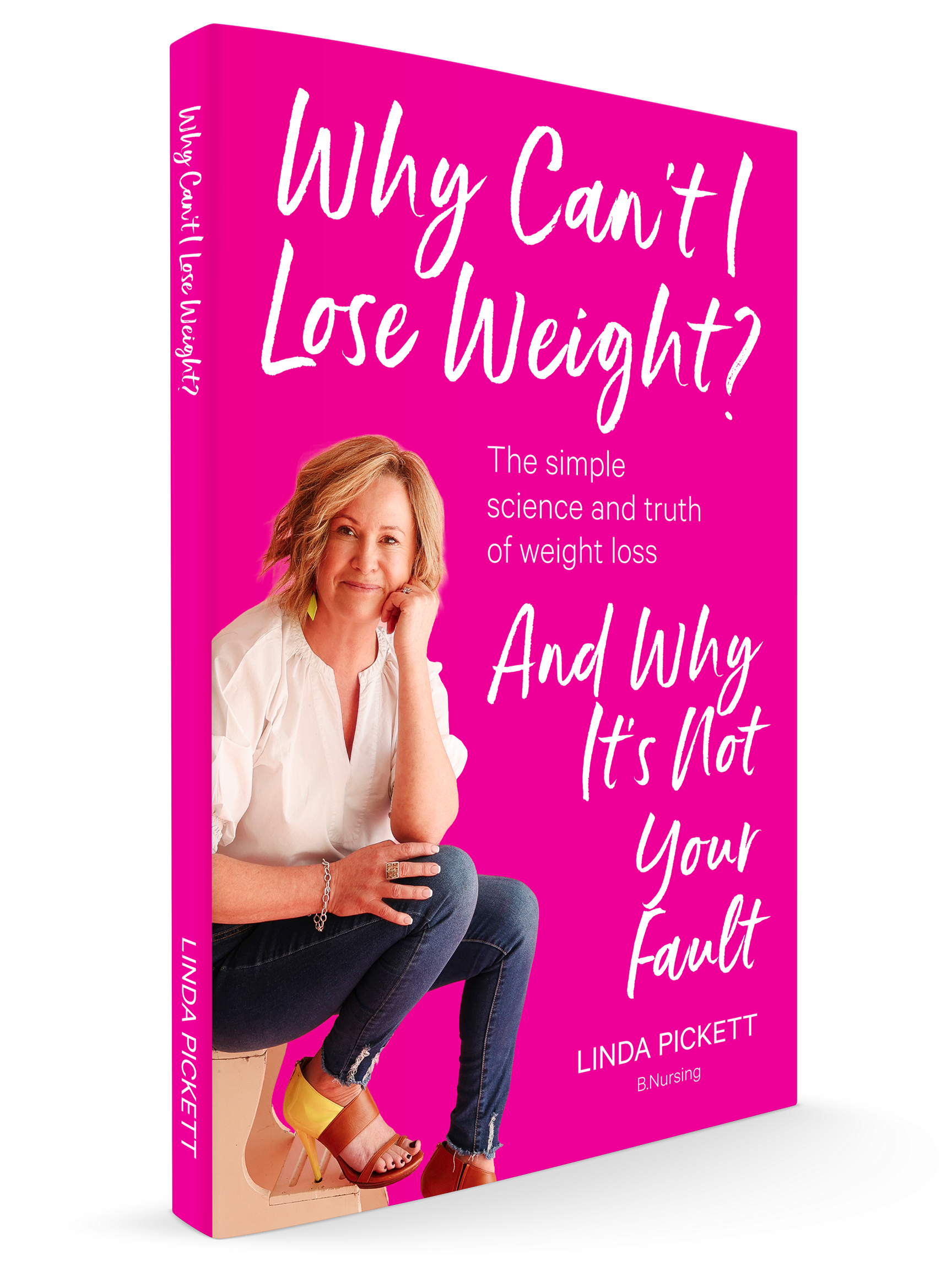
Seven years ago, I began writing this book while building my business, driven by a desire to bring clarity to a topic that so many people find confusing.
Today, I’m proud to share that Why Can’t I Lose Weight?: The Simple Science and Truth of Weight Loss and Why It’s Not Your Fault is now an Amazon Best Seller.
This book explores the science and psychology behind weight management, including how factors such as hormones, sleep, metabolism, genetics and MENOPAUSE influence the body. Having just gone through the “change” I wanted women to understand the weight gain in menopause - is NOT THEIR FAULT. It was written to provide clear, evidence-based information in a way that is simple, practical, and accessible.
Reaching best-seller status is an incredible milestone, and it would not have been possible without the support of the people surrounding us, so thanks for all of our clients who have bravely shared their stories.
I hope this book will serve as a steady, reassuring guide - helping readers feel informed, supported, and more confident in making choices that align with their health and well-being.
Linda

BOOK A CONSULTATION TO SEE WHAT IS RIGHT FOR YOU.
45-minute in-depth consultation with one of our professional team members, where you will be provided with a personal bio-impedance body (body fat) scan for deeper insight and better understanding of your body.