

Appetite Suppressants vs Fat Freezing: Two Very Different Tools for Very Different Jobs
Introduction
When considering weight-management options, it’s important to understand how different approaches work — not just what they promise.
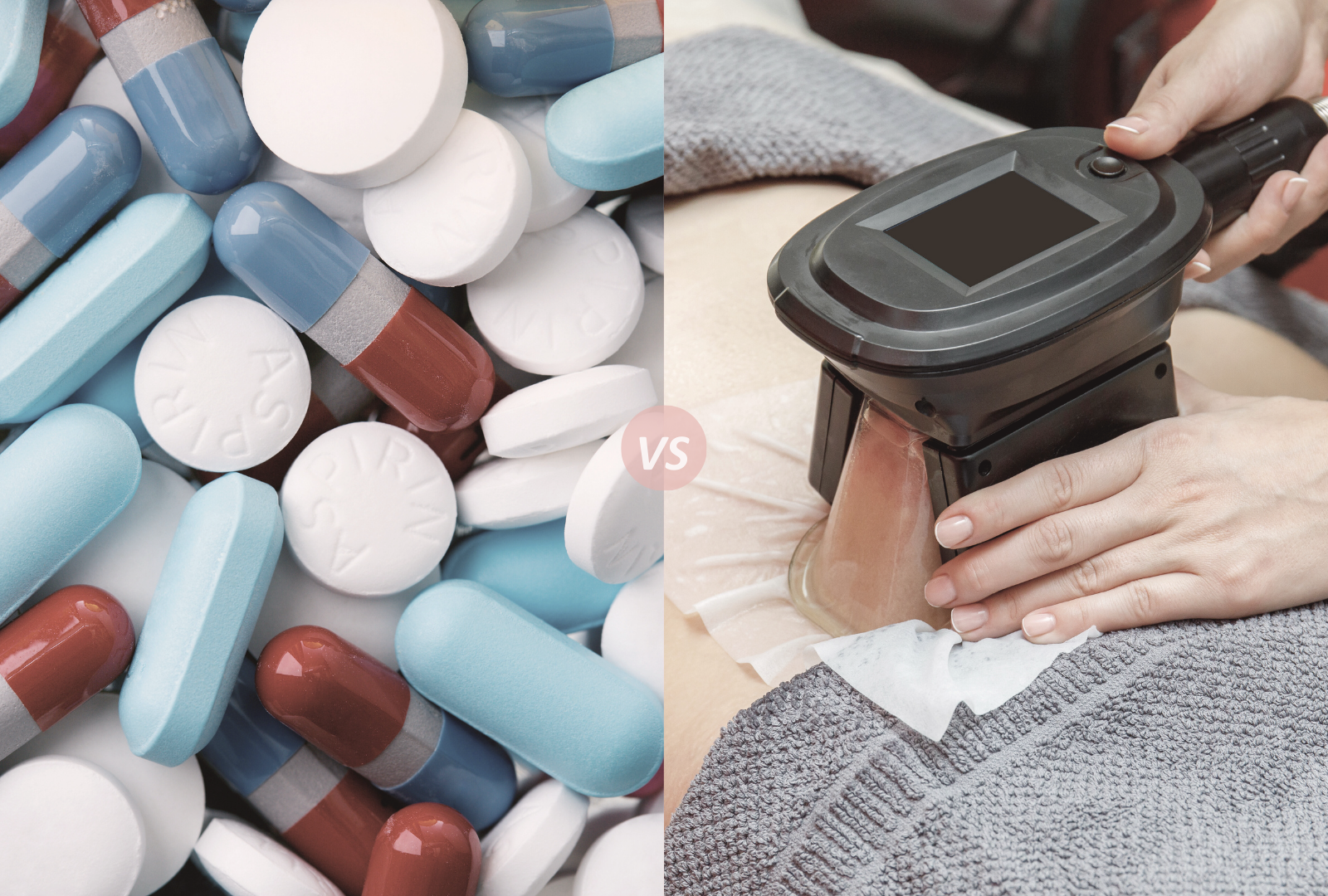
Appetite suppressants and Fat Freezing operate through entirely different mechanisms and are designed for different clinical goals. Understanding these differences can help support informed decision-making.
It is important to note that appetite suppressants such as Duromine are different to GLP-1s (like Ozempic, Semaglutide) which is also addressed here.
If you’re trying to change your body, chances are you’ve heard about appetite suppressants, GLP-1 injections, and fat freezing — often spoken about as if they all do the same thing.
They absolutely do not.
They work in completely different ways, target different systems in the body, and solve different problems. Understanding this difference is key to choosing the right approach — and avoiding frustration.
Let’s break it down properly (no hype, no judgement).
Appetite Suppressants: Working on Hunger, Not Fat Cells
1. Traditional appetite suppressants (e.g. Duromine)
Duromine contains phentermine, a stimulant-based medication that works on the central nervous system.
How it works:
Increases adrenaline and noradrenaline
Suppresses appetite by stimulating the brain
Reduces hunger signals short-term
What it does well:
Can reduce appetite quickly
May assist with short-term calorie reduction
Limitations:
Does not target fat cells
Does not change fat distribution
Weight often returns once stopped
Can increase anxiety, heart rate, insomnia, blood pressure
Not designed for long-term use
Occasionally associated with mental health episodes and addiction.
👉 In simple terms: Duromine helps you eat less — it doesn’t remove fat.
2. GLP-1 medications (Ozempic, Wegovy, Saxenda)
GLP-1 medications work very differently to stimulant appetite suppressants.
How GLP-1s work:
Mimic the hormone GLP-1 (glucagon-like peptide-1)
Slow stomach emptying
Increase feelings of fullness
Reduce appetite and food noise
Improve insulin regulation
Key differences from Duromine:
Hormonal, not stimulant-based
Act on gut-brain signaling
Generally better tolerated long-term (under medical supervision)
What they still don’t do:
They do not selectively target fat cells
They cannot spot-reduce fat
They don’t change stubborn fat biology
👉 GLP-1s can help with overall weight loss, but where fat comes off is still dictated by genetics and biology.
As with all appetite suppressants - Duromine and all of the GLP-1s the most common complaint is that the results are not permanent. Reduced caloric intake results in smaller fat cell size across the body, however when caloric intake returns to pre-treatment levels the fat cells fill back up, the scales move up and weight returns to normal.
*Current research indicates that weight gain after GLP-1 is 4 x faster that weight lost through diet and exercise.
How Fat Freezing Works
Fat Freezing is a non-invasive body-contouring treatment that targets fat cells in specific areas.
Clinically:
It does not suppress appetite
It does not interfere with digestion
It does not alter hormonal pathways
It targets fat cells just underneath the skin
The treated fat cells are gradually processed and eliminated by the body over time.
Due to the mode of action (apootosis ) where the fat cell is damaged beyond repair in the body this results in permanent shape change.
Key Differences to Consider
When comparing these approaches, it’s important to consider:
The treatment mechanism
Scope of effect
Whether the approach is systemic or localized
Long-term suitability
Behavioral changes required when medical treatment is ceased with appetite suppressants.
Appetite suppressants focus on appetite regulation and as such when the treatment is finished the fat cells most often expand in size to their previous size. Fat Freezing provide permanent results -
Making an Informed Choice
Weight-management decisions should be guided by individual goals, clinical considerations, and professional advice.
For individuals whose primary concern is localized fat that does not respond to lifestyle changes, Fat Freezing may be an appropriate option to explore.
Next Steps
To better understand which approach may align with your goals, you can review the full comparison here in our website
You can also take our quick quiz “Which Weight Loss Treatment is Right for Me”
Or contact us and come in for a consultation - 1300 263966.
